






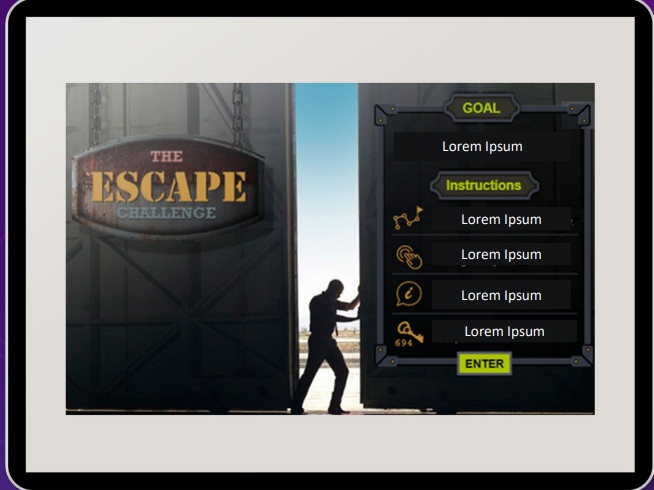

.avif)

Wie ein Einzelhandelsunternehmen die Digitalisierung seiner Schulungsprogramme vorantrieb, um Präsenzschulungen zu reduzieren


How a Fashion Retail Group Digitized Induction Training for a First-Time Online Audience
Induction is the program every employee passes through, and it is usually the last one to be modernized. It works well enough in a classroom, so it stays there, until headcount starts growing faster than trainers can travel. At that point the cost of keeping induction face to face stops being a line item and becomes a constraint on how quickly a business can open stores and get staff onto the floor.
That was the position an Indian fashion retail group found itself in. This case study covers why the organization began its digitization program with induction, what the design had to account for when the audience had never taken an online course before, and what happened when the pilot ran.
The background
The organization set out to digitize its training programs to keep pace with a growing employee base. Induction topped the list. The objective was to orient employees on the history, vision, mission, and values of the organization, and to do it in the most innovative way available rather than by moving a classroom deck onto a screen. The program ran first as a pilot through a single business unit, so the results could be gauged before replicating the approach across the organization.
The design problem
Two constraints shaped everything that followed. The first was the audience. These were first-time digital training learners, people whose entire experience of company training had been a trainer standing in a room. Anything that assumed familiarity with navigation conventions, self-paced progress, or online assessment would lose them inside the first few minutes.
The second was the subject matter. History, vision, mission, and values are abstract by nature and easy to deliver as text a learner scrolls past without absorbing. Retail employees spend their day on a shop floor with customers in front of them. Values training that stays abstract does not survive contact with that environment.
How our team approached the solution
Partnering closely with the business unit
The most important decision was not a design decision. Our team worked directly with the business unit to build a learning experience the audience would recognize, rather than designing at a distance and handing over a finished course. That partnership made the rest of the choices possible, because it supplied the real situations the content later had to sit inside.
Thematic visuals mapped to situations learners already knew
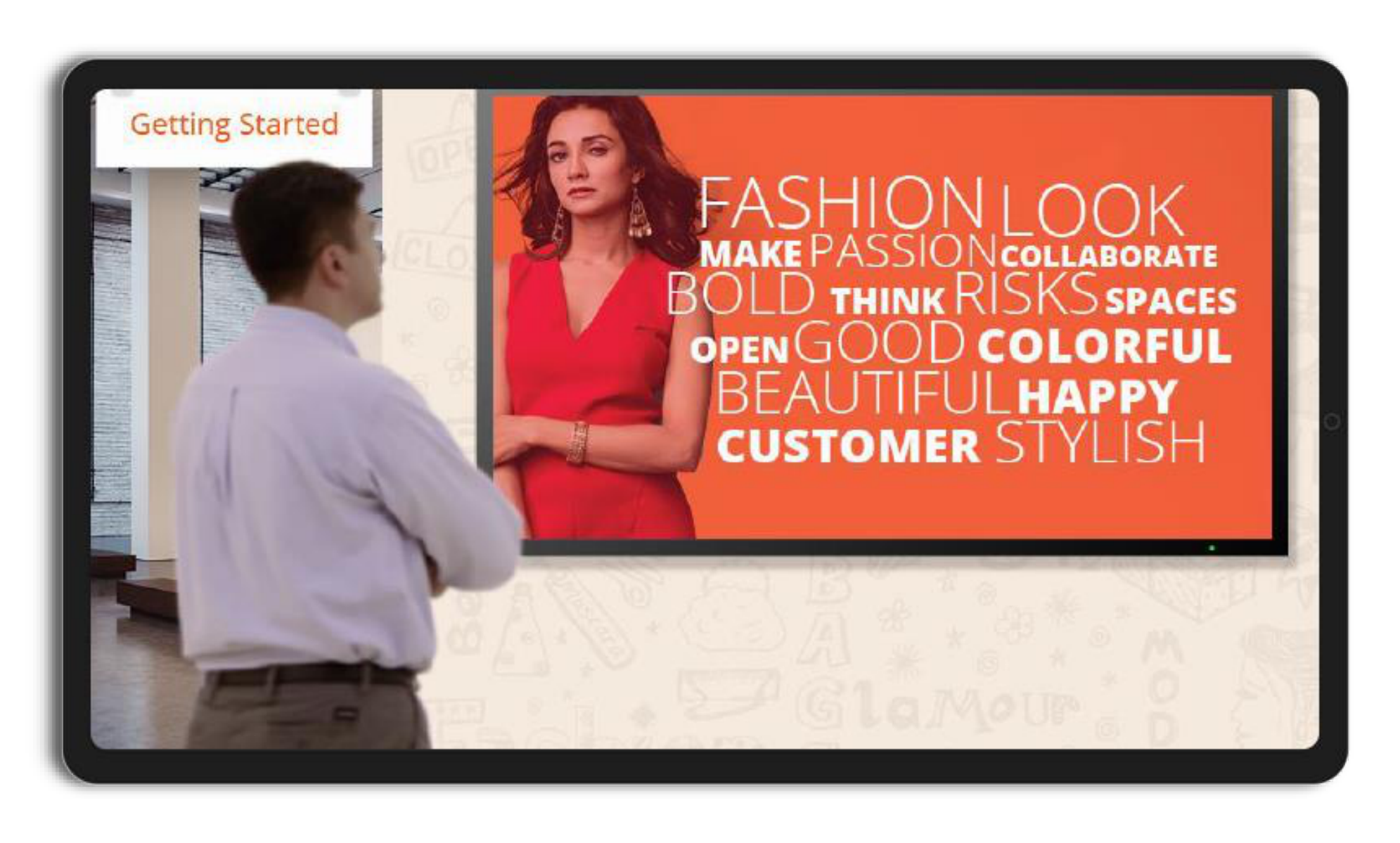
Rather than illustrating values generically, we designed thematic visuals mapped to real-life scenarios that learners were used to witnessing. Store environments, colleagues, and customer moments the audience saw every day. The learning units were then placed within those thematic designs, so the course looked like the workplace rather than like a training portal.
Microlearning to hold attention
Microlearning was adopted so the content stayed crisp and succinct and learners did not lose attention or focus. For an audience taking its first online course, short units also lower the stakes. A learner who has never completed a digital module is far more likely to finish a three-minute unit than a forty-minute one, and each completion builds the confidence to start the next.
Gamification, scenarios, and support at the point of need
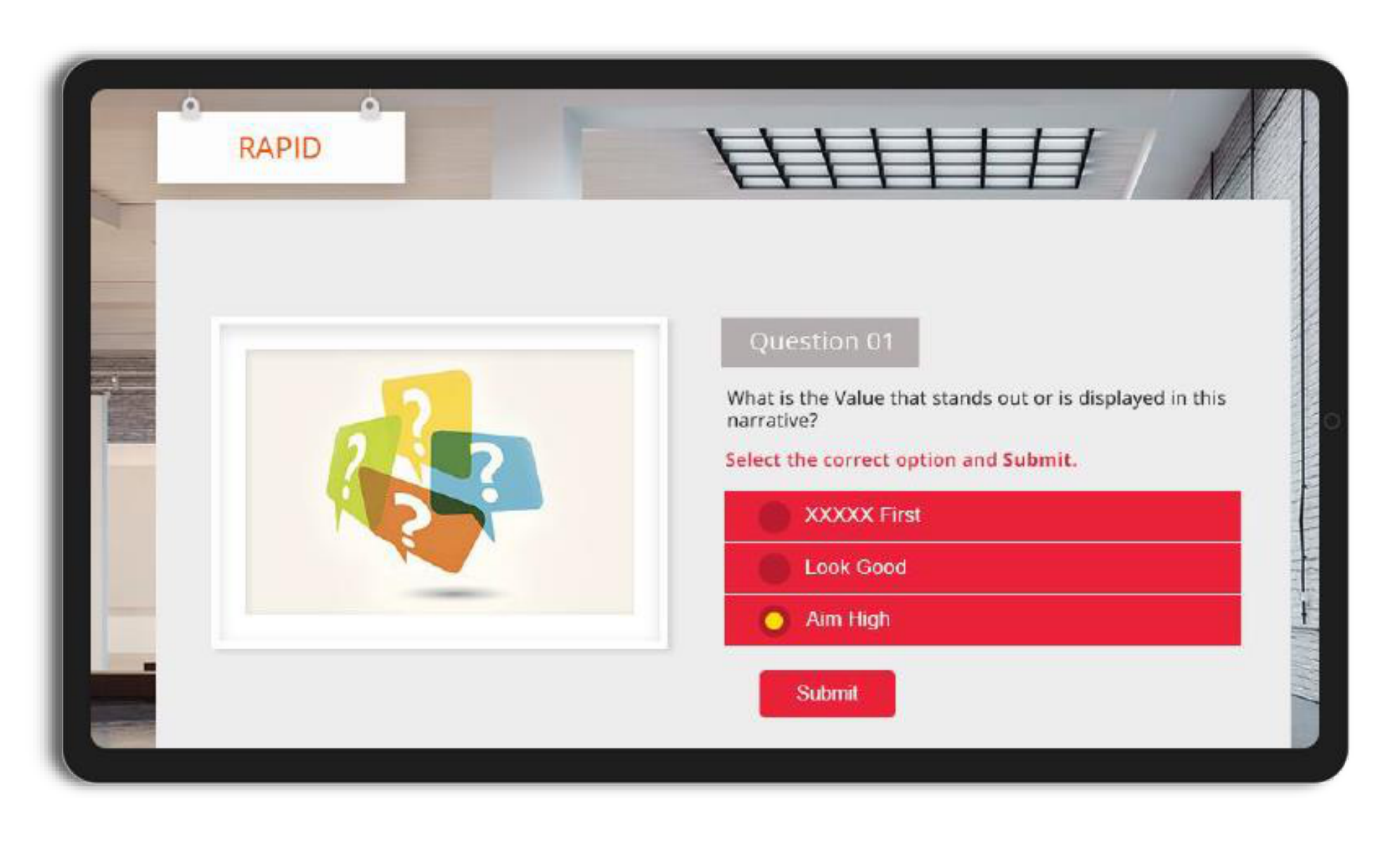
Gamification, scenario-based learning, and performance support tools carried the interaction design. Scenarios put the values into short narratives the learner had to interpret, then asked which value the narrative demonstrated, which turns a statement on a wall into a judgment the learner has to make. Gamification supplied the progress and reward cues a classroom trainer would otherwise provide in person. Performance support tools kept the material reachable after induction ended, on the shop floor, at the moment a new joiner actually needs to remember what the organization says it stands for.
Delivered through a learning portal
The microlearning units were delivered through a learning portal, giving new joiners a single destination rather than a scatter of links, and mobile access meant the course could be taken between shifts rather than in a booked training room. Just-in-time and experiential approaches ran through the design, keeping the emphasis on deciding and doing rather than reading.
The impact
- Learners reacted positively to the first-time digital learning experience.
- Learners demonstrated the values and behaviors considerably better than they had under the previous face-to-face program, because the learning was relatable.
- The program recorded higher registrations and completions than had been estimated.
- The success of the pilot led to roll-outs within multiple business units inside a year.
The last two are worth pausing on. Higher-than-estimated completion from an audience with no prior digital learning habit suggests the format was not the barrier it was assumed to be. And a rollout across multiple business units within a year is the outcome a pilot is actually for.
What this case study shows
Digitization programs usually begin with compliance, because compliance carries deadlines. Starting with induction is the more useful choice when the wider goal is to build a digital learning habit. Induction reaches everyone, it does not punish a learner for a slow first attempt, and it gives an organization a controlled first contact with an audience that has never learned this way. Get that first experience right and every program after it starts from a better place.
The result also owed less to technology than the delivery model suggests. The portal and the mobile access mattered, but the reason learners recognized the material is that the design work started inside the business unit and built from what the audience already saw on the floor every day.
If you are planning to digitize induction or onboarding for an audience that is new to online learning, Liberate can help you design the first experience that decides how everything after it lands.

Ihre Anmeldung!
