






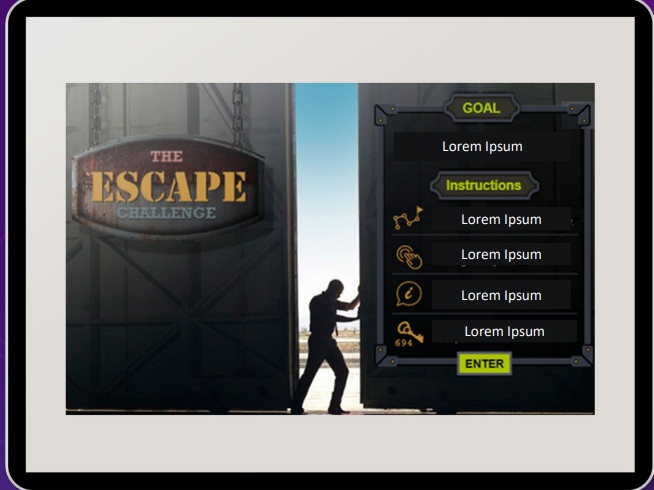

.avif)

Wie ein Automobilgigant mit einem intensiven Führungskräftetraining einen Verhaltenswandel herbeiführte


Immersive Leadership Training That Turned Cultural Values Into Decisions
Organizations write down their cultural values and then discover that the writing was the easy part. The gap opens at the point where a leader is in a live situation, under time pressure, with a decision to make and no obvious label attached to it. Whether the values show up there is what determines whether the organization has a culture or a poster.
A market leader in the automotive sector asked our team for a training program that would create awareness of its organizational culture. The program was intended for leaders at different levels, with the expectation that it would drive an eventual behavioral change and equip them to demonstrate the cultural values at the moments where those values actually apply.
The Challenge
Two constraints shaped the work. The first was the nature of the outcome. Awareness of a set of values is straightforward to deliver and close to worthless on its own, since leaders at this level can already recite what the organization stands for. The requirement was for the values to surface in conduct, which is a different problem entirely.
The second was the audience. Building a training program that senior and mid-level leaders could genuinely fit into their schedules was described in the brief as a tough ask, and it is the constraint that quietly kills most leadership development. A program that assumes half a day of uninterrupted attention will be postponed indefinitely by people whose calendars are not their own.
How the Solution Was Built
Our team concluded that the best way forward was to simulate the relevant, real-life situations in which leaders are expected to demonstrate their awareness of the cultural values. Rather than explaining a value and asking leaders to apply it afterward, the program puts them in the moment where it applies and asks what they will do.
Scenarios built with the business units that live them
We partnered with the relevant business units to create the learning scenarios, which is the decision that gives this kind of program its credibility. A scenario written from a values document produces situations that leaders recognize as training. A scenario written with the function that faces it produces situations they recognize from work, and the difference is obvious to the audience within seconds.
Interactive video and branching simulations
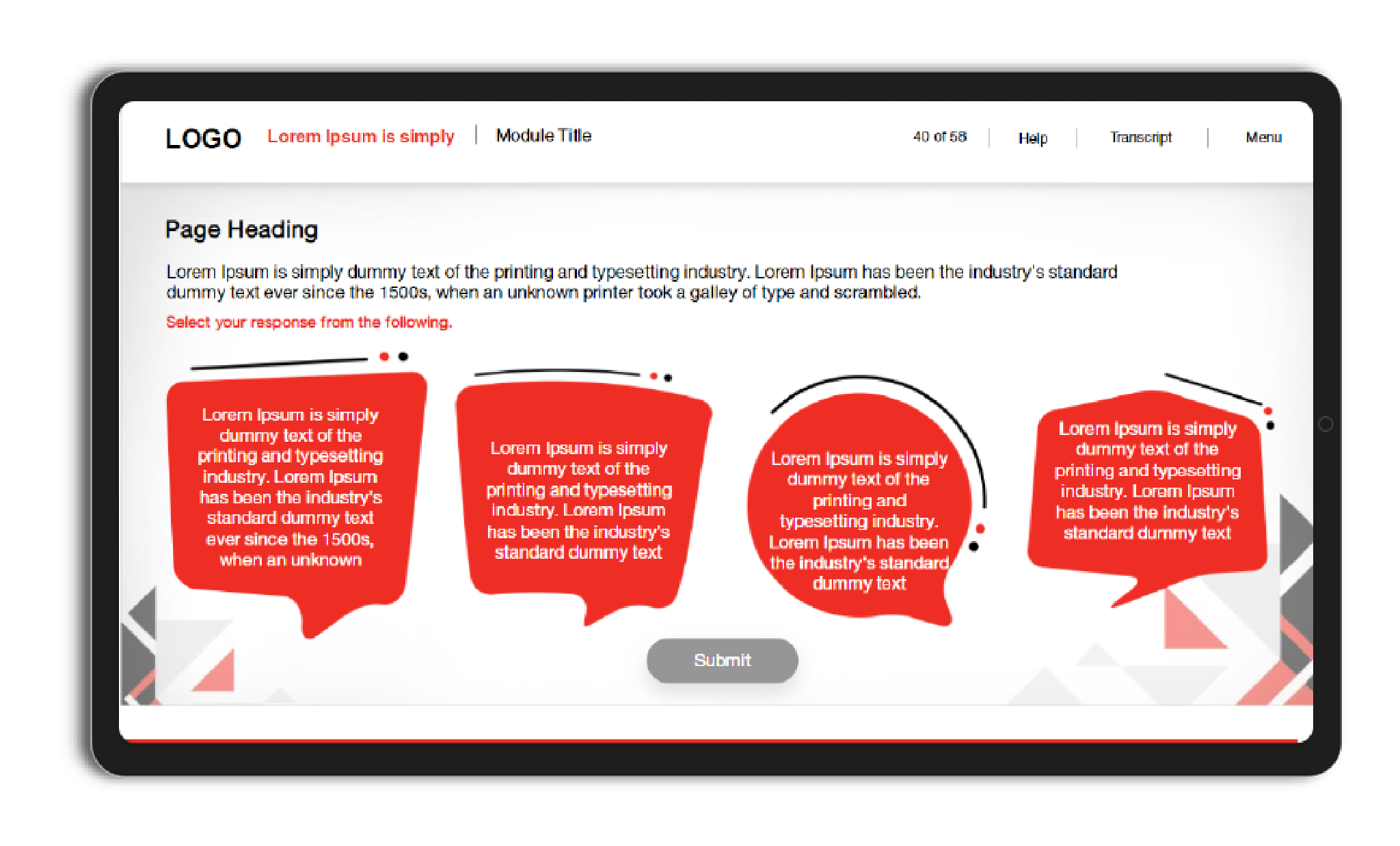
The scenarios were built using interactive videos and branching simulations, so the learner does not observe a situation unfolding but determines how it unfolds. Each branch leads somewhere different, which means a leader who chooses the expedient option sees the consequence of that choice rather than being told it was wrong.
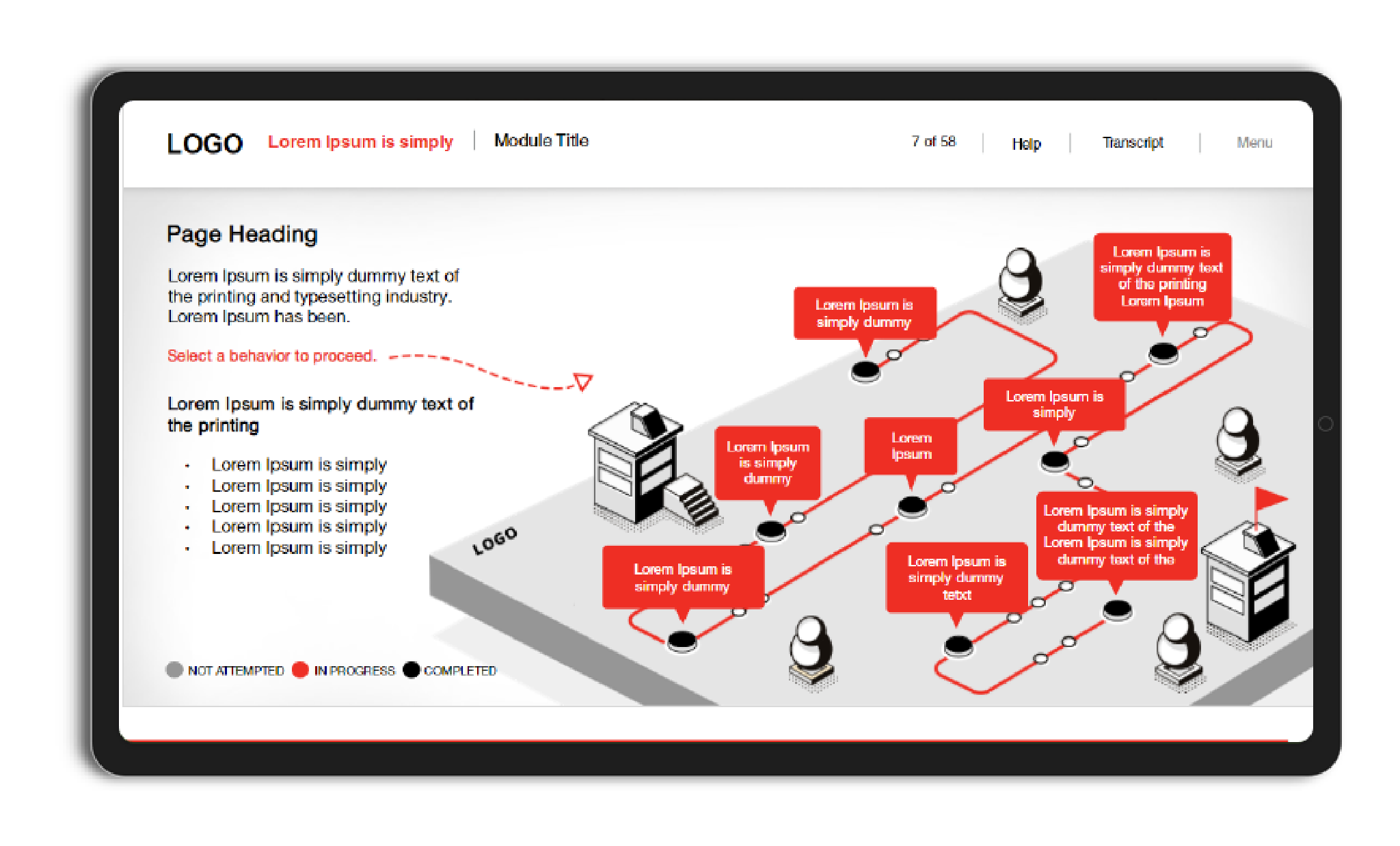
The program is organized as a path through a sequence of decision points, with each point marked as not yet attempted, in progress, or completed, so a leader can see where they are in the sequence and where they left off. At each point the instruction is to select a behavior in order to proceed, which is a precise statement of what the program is asking for and a useful piece of framing in its own right.
Decisions that end in an action plan
The solution provided ample opportunity for simulated decision making, and those decisions resolve into action plans aimed at driving behavioral change. This is the step that separates a well-made simulation from a program that changes anything, because a leader who has worked through a difficult scenario and then written down what they intend to do differently has produced a commitment that outlives the session.
Built for calendars that are not the learner’s own
To allow flexibility, the complete program was designed so that leaders could consume it on their mobile devices around their existing commitments. Combined with a microlearning structure delivered through the client LMS and LXP, that meant the program could be worked through in the gaps rather than requiring a block of time that would never be found.
The Strategies Behind the Design
Seven strategies power the solution.
- Video-Based Learning
- Branching Simulations
- Interactive Videos
- Scenario Based Learning
- Action-oriented Learning
- mLearning
- Immersive Learning
Delivery combined mobile learning and microlearning served through the client LMS and LXP.
Give Leaders the Situation, Not the Statement
Cultural values change behavior only at the point where someone has to act on them. This program was built on that premise, putting leaders inside the situations where the values apply, building those situations with the business units that face them, letting branching decisions play out to their consequences, and closing with an action plan the leader writes for themselves. If your leadership programs are producing agreement rather than change, Liberate can help you rebuild them. Get in touch to talk it through.

Ihre Anmeldung!
