






.avif)

Verbesserung der Zeit bis zur Produktivität neuer Mitarbeiter durch die Umstellung von Präsenzschulungen zur Einarbeitung und Einführungsschulungen auf Blended Learning


Cutting New Hire Time to Productivity With a Blended Onboarding Redesign
Onboarding is one of the few programs where the business outcome is easy to name. A new joiner is either contributing at the expected level or they are not, and the number of weeks between those two states is a cost the organization carries every time it hires. Time to productivity is the measure, and most onboarding programs are never held to it.
This is a case study about our own program. We run a structured blended learning approach for onboarding our people, combining a comprehensive online course with a series of virtually facilitated sessions. The structure worked, and we wanted to rebuild the online component around the latest blend of technology and learning strategies to produce a world class onboarding experience. The redesign went on to win a Brandon Hall Group Silver award for Best Advance in Onboarding Technology.
The Challenge
The purpose was twofold. New joiners needed to be oriented into the organization seamlessly, and their overall time to productivity needed to come down as a result.
Those two goals pull in different directions if the program is designed carelessly. Orientation content expands easily, because every function has something a new hire ought to know, and a thorough induction can comfortably occupy the weeks it is meant to be shortening. The redesign had to cover more ground while taking less of the new joiner working time.
How the Solution Was Built
We redesigned the complete training using more than 24 microlearning formats and strung them through a macrolearning path. The individual pieces are short, and the path holds them in a sequence with a clear direction, so a new hire always knows where they are without having to sit through a long course to find out.
A week by week journey with visible progress
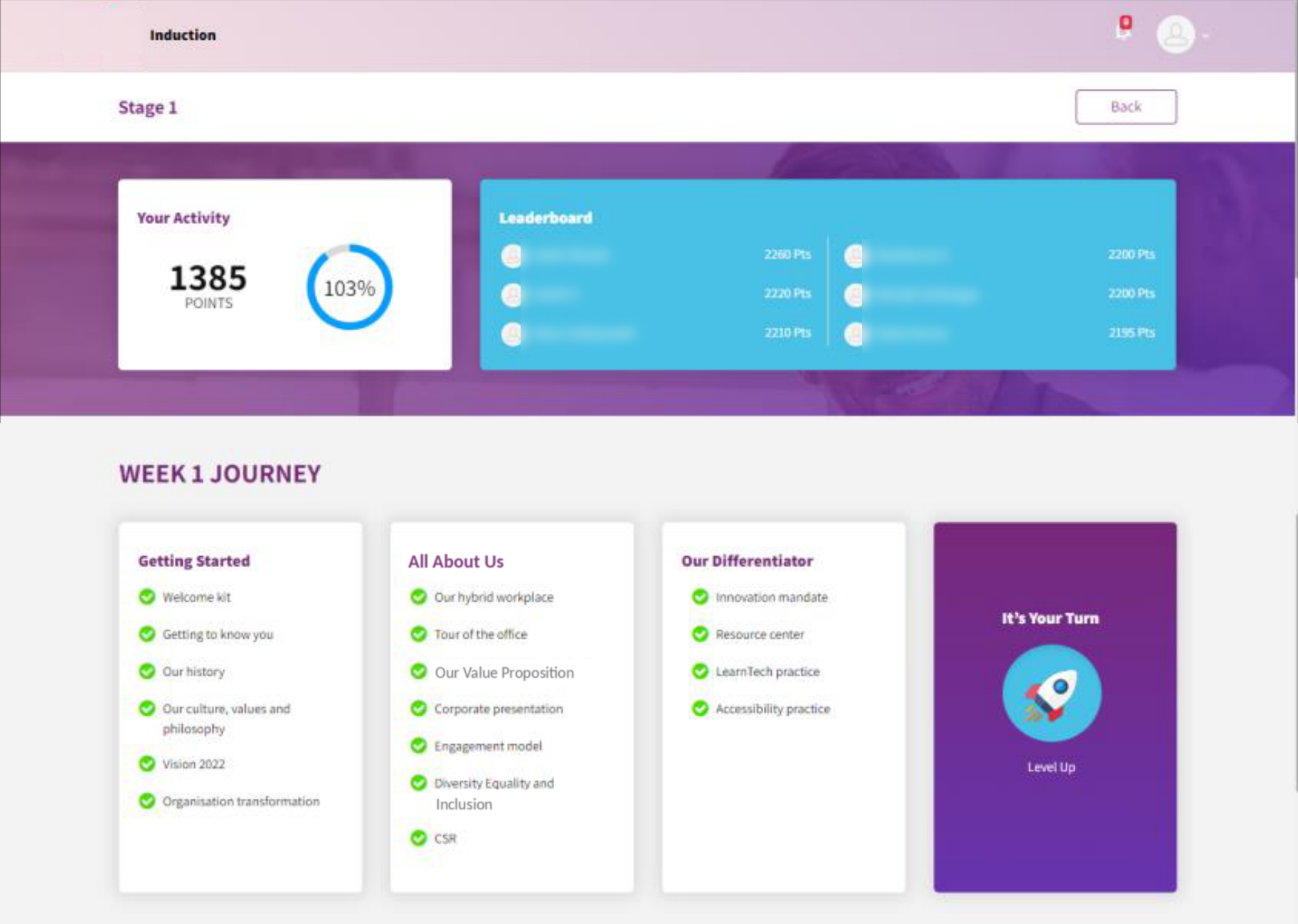
The program presents itself as a journey organized by week and by stage. A new joiner sees the topics for the current week grouped into themed cards, covering getting started material, background on the organization, and what makes the way we work distinctive, with each item ticked off as it is completed.
Alongside the journey sits an activity panel showing the points accumulated and progress against target, and a leaderboard showing how other new joiners are doing. Ending the week with a level up prompt gives the sequence a shape that a checklist does not have.
Formats varied enough to hold attention for weeks
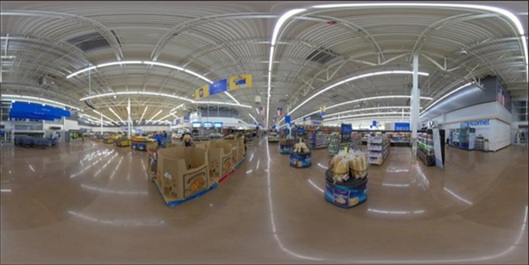
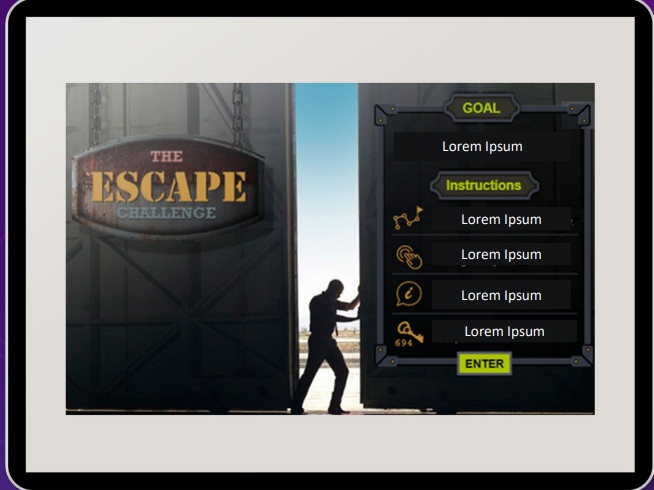
The formats range from interactive videos to parallax and interactive learning elements, infographics, and virtual reality. Using virtual reality inside an onboarding program is unusual, and it is used here for the parts of orientation that benefit from being experienced rather than described.
Variety matters more in onboarding than in most training, because the program runs across weeks rather than in a single sitting. A format that works well on day one becomes wearing by week three, and 24 formats across a macrolearning path is what keeps a long program from settling into a rhythm the learner can tune out.
Gamification and social learning
To maintain motivation and give new joiners a sense of accomplishment, we gamified the complete training and added leaderboards along with social and collaborative learning elements. The social layer does something specific during onboarding that it does not do elsewhere, since a new hire watching a leaderboard is also seeing the names of the other people who joined alongside them.
The whole program is a fully responsive, portal-based solution, which gave new joiners the flexibility to learn at any time and from anywhere and helped them become productive within the intended window comfortably.
The Strategies Behind the Design
Seven strategies power the solution.
- High-End Gamification
- Microlearning
- Learning Journey
- Virtual Reality
- Social Learning
- Experiential Learning
- mLearning
Next generation strategies and performance support tools sit behind these, with delivery combining microlearning, mobile learning, and personalized learning served through a learning portal.
The Impact
New joiners reported a seamless onboarding experience in the post-training survey, and they were able to apply what they had learned about processes, procedures, and tools to real work situations without difficulty. Transfer to actual work is the harder of those two results and the one that connects the program to the productivity goal.
Completion rates came in 15 percent higher than previous versions of the training, which matters for a program running across several weeks where attrition normally builds as the novelty of a new job wears off.
The headline result is time to productivity, which fell from eight weeks to four or five. Roughly halving the period between a hire starting and contributing at the expected level changes the return on every hire the organization makes, and it is the number this redesign was ultimately built to move.
Rebuild Onboarding Around the Number That Matters
Onboarding programs are usually judged on whether new joiners finished them. This one was judged on how quickly people became productive, and it worked because the content was broken into short pieces held together by a visible journey, because the formats stayed varied enough to hold attention over weeks, and because gamification and a social layer gave new hires a reason to keep moving. If you want onboarding that shortens time to productivity rather than simply filling the first month, Liberate can help you build it. Get in touch to talk it through.

Ihre Anmeldung!
