






.avif)

Learning Solution Architecture
Design comprehensive learning solutions through expert architecture addressing content strategy, delivery models, learner experience design, and technology integration for effective L&D.

From Piecemeal Approaches to Integrated Learning Solutions
Organizations need learning solution architecture that creates comprehensive, cohesive learning experiences addressing content design, delivery modalities, learner journeys, assessment strategies, and technology enablement. Our learning solutions architect expertise helps you design end-to-end learning approaches ensuring all elements work together seamlessly. Through collaborative design workshops, stakeholder engagement, and proven frameworks, we create learning architecture blueprints defining what learners experience, how content is delivered, which technologies enable learning, and how success is measured. Whether designing solutions for compliance training, leadership development, sales enablement, or technical skills, our architecture ensures learning effectiveness, learner engagement, and sustainable implementation.

What Learning Solution Architecture Includes
Comprehensive design addressing learner experience, content strategy, delivery approach, assessment methods, and technology enablement for effective learning solutions.
Learning Journey & Experience Design
Map end-to-end learning journeys, define touchpoints and interactions, design learner pathways, and create experience principles ensuring intuitive navigation and engagement.
Instructional Design Strategy
Determine instructional strategies, content types, development methodologies, modalities, formats, and curation approaches optimizing learning effectiveness and knowledge retention.
Blended Delivery Model Design
Design blended learning approaches combining instructor-led training, virtual instructor-led training, self-paced eLearning, microlearning, social learning, and experiential learning.
Performance Support & Reinforcement
Define job aids, reference tools, workflow integration, practice opportunities, and reinforcement strategies ensuring knowledge transfer and on-the-job application.
Assessment & Learning Evaluation
Design formative and summative assessments, knowledge checks, skill validations, performance evaluations, and Kirkpatrick-level measurement approaches demonstrating learning effectiveness.
Technology Enablement & LMS Strategy
Select learning management systems, authoring tools, content platforms, and collaboration technologies supporting instructional design without technology constraints driving pedagogy.
Our Learning & Performance Ecosystem
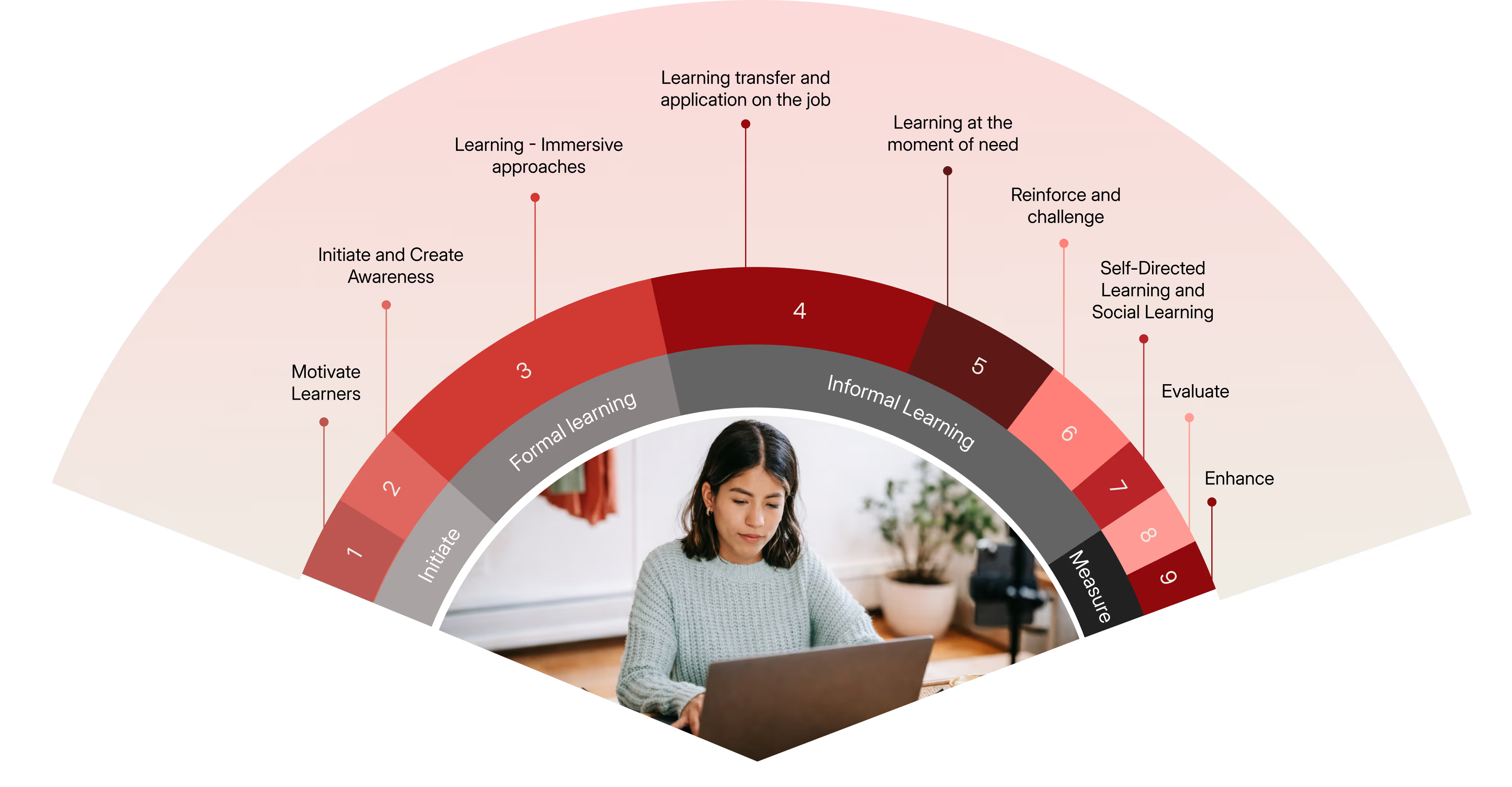
Comprehensive 9-phase ecosystem combining formal learning, informal learning, performance support, and continuous measurement for sustained performance improvement.
The Liberate Learning and Performance Ecosystem is our proprietary framework integrating nine interconnected phases that transform how organizations approach employee development. Unlike traditional training models that focus solely on course delivery, our ecosystem creates a continuous cycle where formal learning, informal development, performance support, and measurement reinforce each other.
This approach recognizes that employees learn best when they receive the right support at the right time, whether through structured programs, just-in-time resources, peer collaboration, or self-directed exploration. By designing solutions within this ecosystem framework, we ensure learning sticks, transfers to the workplace, and drives measurable business outcomes.
Learning Strategy Development Impact
Measurable improvements in business alignment, stakeholder engagement, and L&D effectiveness when implementing a learning and development strategy.


We’ve Helped Grow Hundreds of Companies.
Case studies from organizations building capability and performance with us.





FAQs
What is learning solution architecture and how does it differ from instructional design?
Learning solution architecture defines the comprehensive approach to learning including content strategy, delivery models, learner experience, assessment methods, and technology enablement addressing organizational-level design decisions. Instructional design focuses on creating specific learning experiences within established architecture. Learning solutions architect role determines which delivery modalities to use, how content should be structured, what technologies to leverage, and how learners navigate experiences. Instructional designers then create specific courses, modules, and activities following architecture guidelines. Architecture ensures consistency, scalability, and effectiveness across learning portfolio while design brings architecture to life through individual learning experiences.
What types of learning solutions does architecture address?
Learning solution architecture applies to any comprehensive learning initiative including compliance training programs, leadership development curricula, sales enablement academies, technical skills training, onboarding journeys, certification programs, and continuing education. Architecture is especially valuable for complex initiatives involving multiple delivery modalities, diverse learner populations, extended learning journeys, technology integration requirements, and scalability across regions or functions. Organizations engage learning solutions architect services when designing new programs, redesigning existing training, consolidating scattered initiatives, or implementing learning technology platforms requiring strategic approach beyond individual course development.
How does learning solution architecture integrate with technology decisions?
Learning solution architecture ensures technology serves learning effectiveness rather than technology capabilities driving instructional decisions. Architecture process first defines learner experience, content approach, delivery models, and assessment strategies then identifies technologies supporting those requirements. Learning solutions architect expertise includes platform evaluation, integration design, and technology enablement but technology represents one component within comprehensive solution design. This learning-first approach prevents common mistake of selecting platforms then forcing learning experiences to fit technology limitations. Technology architecture component addresses LMS, authoring tools, content libraries, analytics platforms, and integration requirements after instructional architecture establishes learning approach.
Who should be involved in learning solution architecture design?
Effective learning solution architecture requires collaboration among stakeholders, subject matter experts, instructional designers, technology specialists, and learner representatives. Stakeholders provide business context and success criteria. SMEs contribute content expertise and performance requirements. Designers bring pedagogical knowledge and learner experience expertise. Technology specialists ensure feasibility and integration. Learner representatives validate usability and engagement. Learning solutions architect facilitates collaborative design workshops bringing these perspectives together co-creating solutions ensuring architecture addresses real needs, reflects organizational constraints, and secures implementation buy-in. Breadth of participation determines architecture quality and adoption success.


