






.avif)

Personalized Learning When One Size Doesn’t Fit All
Customize training paths to individual needs, boosting engagement and accelerating skill development.

When Generic Training Wastes Time on What People Already Know
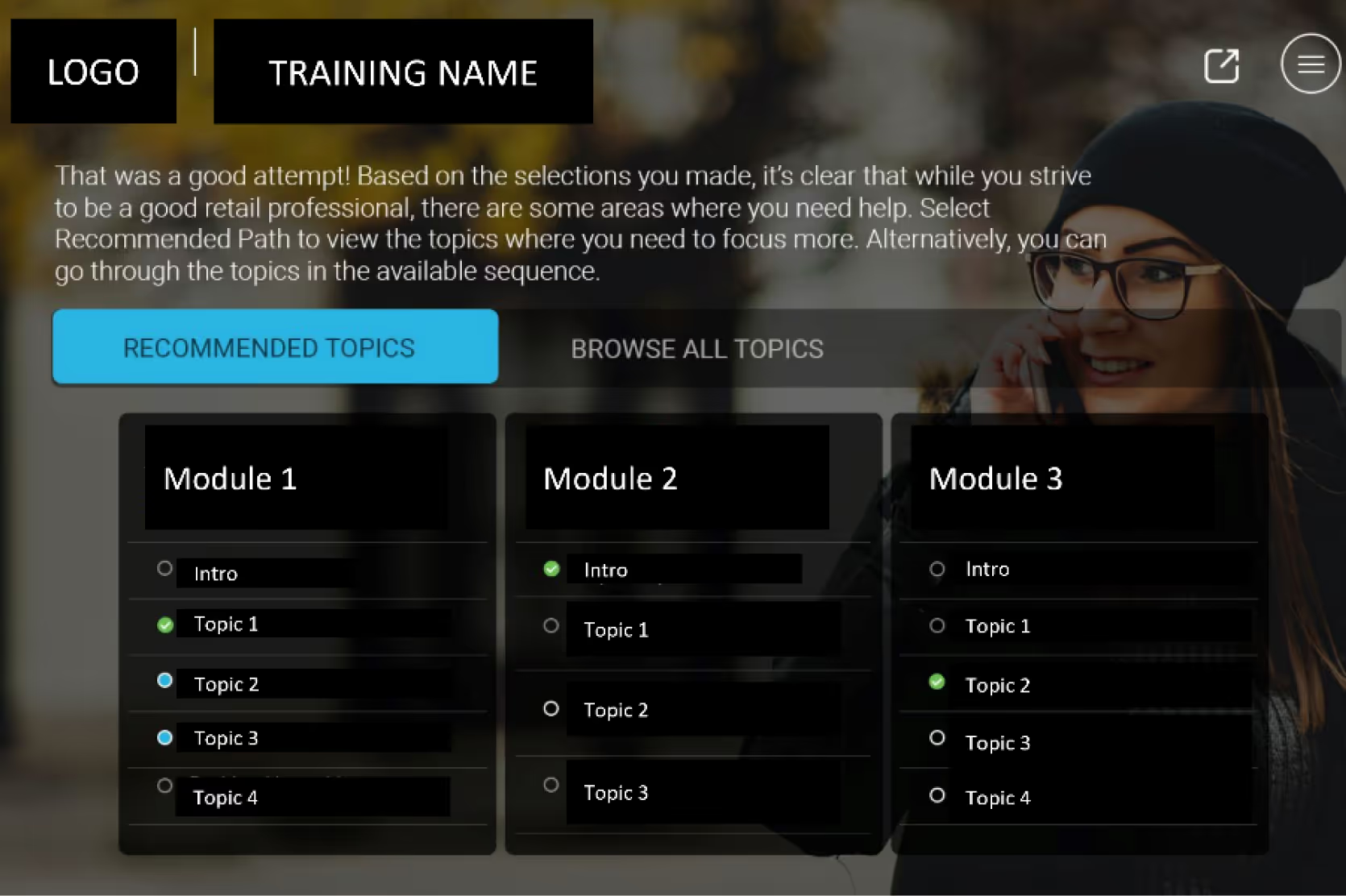
Forcing a senior manager through basics they mastered years ago wastes their time. Making a new hire navigate advanced content they're not ready for wastes theirs. One-size-fits-all training ignores proficiency levels, learning preferences, and role requirements. Personalized learning solves this with adaptive paths that assess where each person stands and deliver only what they need, when they need it.

Core Elements of Effective Personalized eLearning
Adaptive pathways, role-based content, and learner control deliver training that fits individual needs.
Adaptive Learning Paths
Pre-assessments and surveys create customized journeys based on proficiency, role, and learning goals.
Role-Based Content Delivery
Frontline employees, managers, and leaders receive relevant training without navigating irrelevant content.
Learner Control & Choice
Employees select learning formats, set pace, choose topics, and manage their development journey.
Multi-Format Flexibility
Deliver content through videos, games, ILT, VILT, or mobile apps based on learner preferences.
Contextualized Experiences
Realistic work environments, relatable characters, and relevant scenarios make training immediately applicable.
Progress Tracking & Analytics
Real-time dashboards show individual progress, skill gaps, and completion rates for targeted interventions.
AI-Powered Recommendations
Machine learning analyzes performance data and behavior patterns to suggest next courses, resources, and development paths automatically.
Data Points That Drive Personalization
Nine factors we analyze to create truly tailored learning experiences.

Role
Job function and responsibilities determine relevant content, scenarios, and skill requirements.

Work Experience
Years in role and industry background shape content complexity and starting proficiency level.

Current Knowledge and Skills
Pre-assessments and performance data identify what learners already know versus what they need to learn.

Learning Style
Preferences for video, text, interactive, or hands-on content guide delivery format selection.

Work Environment
Frontline, remote, office, or field settings influence access methods and content practicality.

Demographics
Age, location, and generation inform interface design, terminology, and cultural relevance.

Language Preferences
Native language and proficiency level determine content language and localization needs.

Training Needs
Immediate skill gaps, compliance requirements, and development goals prioritize learning sequences.

Specific Background and Experiences
Job function and responsibilities determine relevant content, scenarios, and skill requirements.
Role
Job function and responsibilities determine relevant content, scenarios, and skill requirements.
Work Experience
Years in role and industry background shape content complexity and starting proficiency level.
Current Knowledge and Skills
Pre-assessments and performance data identify what learners already know versus what they need to learn.
Learning Style
Preferences for video, text, interactive, or hands-on content guide delivery format selection.
Work Environment
Frontline, remote, office, or field settings influence access methods and content practicality.
Demographics
Age, location, and generation inform interface design, terminology, and cultural relevance.
Language Preferences
Native language and proficiency level determine content language and localization needs.
Training Needs
Immediate skill gaps, compliance requirements, and development goals prioritize learning sequences.
Specific Background and Experiences
Job function and responsibilities determine relevant content, scenarios, and skill requirements.

How We Design Personalized Learning Solutions
Learner-centric design backed by rigorous needs analysis and proven frameworks.






Measurable Results from Personalized eLearning
Organizations using personalized eLearning see significant improvements in completion, retention, and performance.


See How Personalized eLearning Increases Engagement
Adaptive pathways and learner control that boost completion and accelerate development.
We’ve Helped Grow Hundreds of Companies.
Case studies from organizations building capability and performance with us.










FAQs
What is personalized learning?
Personalized learning customizes training through adaptive pathways, role-based content, and learner control. It addresses different proficiencies and learning styles rather than forcing identical programs.
How does personalization improve engagement?
Relevant content and learner autonomy boost motivation and completion rates. When employees control pace, format, and topics, they invest more in development.
What are the main personalization approaches?
Pre-assessments creating custom paths, role-based delivery, learning style options, and avatar selection. Advanced approaches include AI-powered recommendations based on performance.
Is personalized learning scalable?
Yes, technology enables personalization at scale through automated pathways and modular content. Organizations deploy personalized programs across thousands of employees globally.
How is effectiveness measured?
Analytics track completion, time-to-proficiency, retention, and performance gains. Critical measures are job application and business impact versus generic training.
What training types benefit most from personalization?
Product training, technical skills, onboarding, compliance, leadership, and sales enablement. Any training with diverse audiences or proficiency levels benefits significantly.


