






.avif)

Transform Training with Video-Based Learning That Drives Results
Build a video-based learning strategy that delivers engaging, scalable training through visual storytelling that reaches learners anywhere.

Why Static Training Can't Keep Up
Text-heavy courses struggle to hold attention in today's fast-paced workplace. Learners prefer video over dense documents and static slides. A well-designed video-based training strategy delivers multisensory experiences that boost comprehension, retention, and application.

Core Elements of Effective Video-Based Learning
Strategic video design that maximizes engagement, knowledge transfer, and lasting behavior change.
Multisensory Engagement
Visual and auditory processing work together to reduce cognitive load and boost comprehension of complex concepts.
Show, Don't Tell
Video demonstrates physical tasks, software processes, and interpersonal skills in action.
Self-Paced Learning
Learners control pace and timing, pausing and rewinding as needed to ensure mastery.
Consistent Messaging
Every learner receives equivalent training regardless of location, instructor, or time zone.
Interactive Elements
Embedded quizzes, branching scenarios, and clickable hotspots transform passive viewing into active learning.
LMS Tracking
SCORM and xAPI compatibility enables full tracking of progress, engagement, and completion.
Video Formats for Every Video-Based Training Strategy
From quick microlearning to immersive simulations, flexible video formats support diverse training objectives and learner contexts.

Microlearning Video Modules
2-7 minute focused videos for just-in-time support, refreshers, and bite-sized learning that fits busy workflows.

Scenario-Based Video Training
Realistic workplace scenarios demonstrating decision-making and consequences for building judgment and soft skills.

Video-Based Training Paths
Structured sequences guiding learners through progressive skill development with tracked progress.

Blended Video Solutions
Videos integrated with live instruction and hands-on practice, freeing face-to-face time for discussion and coaching.
.svg)
Immersive Video Experiences (360° + VR)
Fully immersive 360-degree and VR video environments placing learners in realistic situations without physical risk.

AI-Powered Video-Based Training
Intelligent platforms using AI for automatic captioning, translation, personalized recommendations, and rapid video generation.
Microlearning Video Modules
2-7 minute focused videos for just-in-time support, refreshers, and bite-sized learning that fits busy workflows.
Scenario-Based Video Training
Realistic workplace scenarios demonstrating decision-making and consequences for building judgment and soft skills.
Video-Based Training Paths
Structured sequences guiding learners through progressive skill development with tracked progress.
Blended Video Solutions
Videos integrated with live instruction and hands-on practice, freeing face-to-face time for discussion and coaching.
Immersive Video Experiences (360° + VR)
Fully immersive 360-degree and VR video environments placing learners in realistic situations without physical risk.
AI-Powered Video-Based Training
Intelligent platforms using AI for automatic captioning, translation, personalized recommendations, and rapid video generation.

How We Create Video-Based Learning That Works
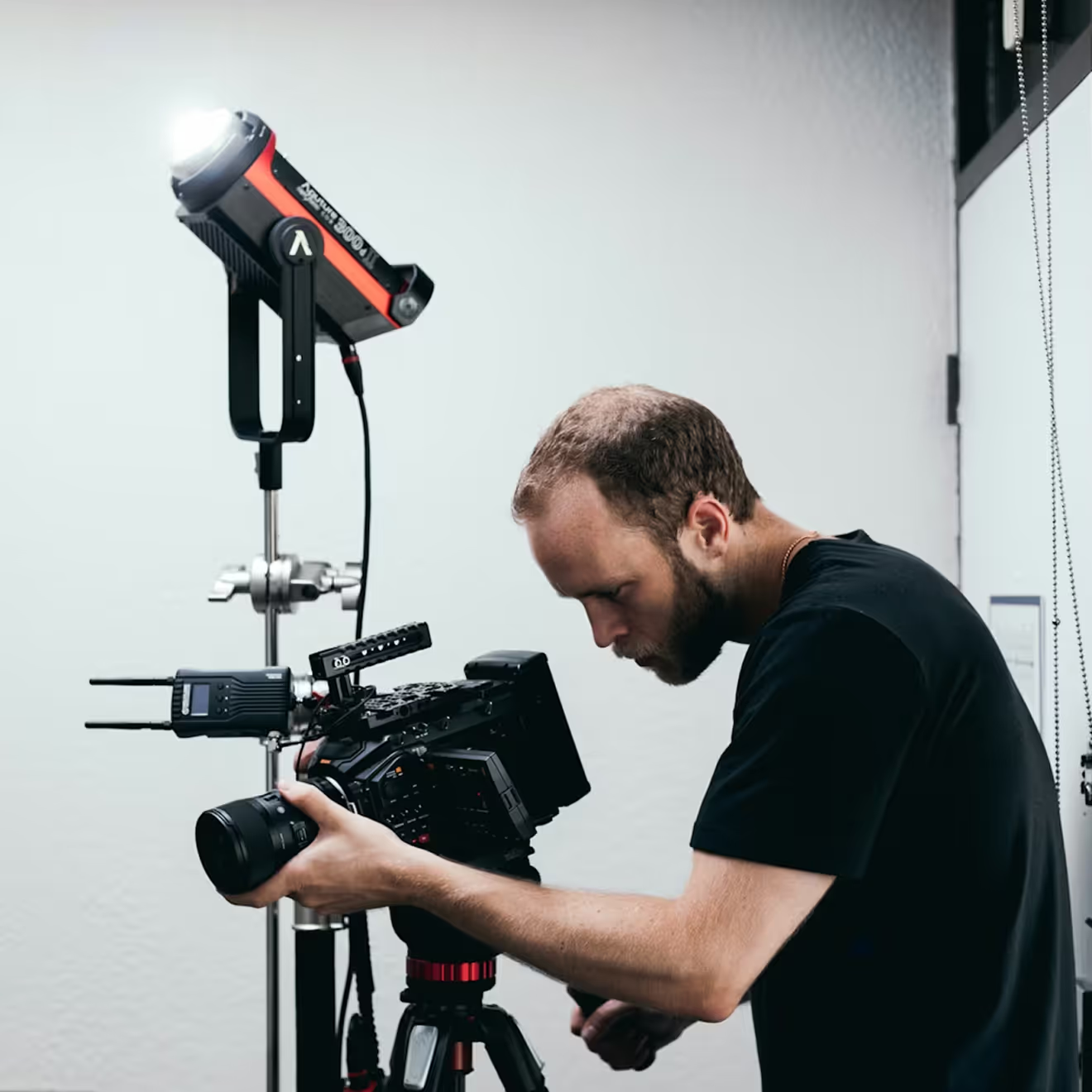
Strategic design meets professional production, from concept through measurement, we build video solutions that drive results.



Measurable Results from Video Learning
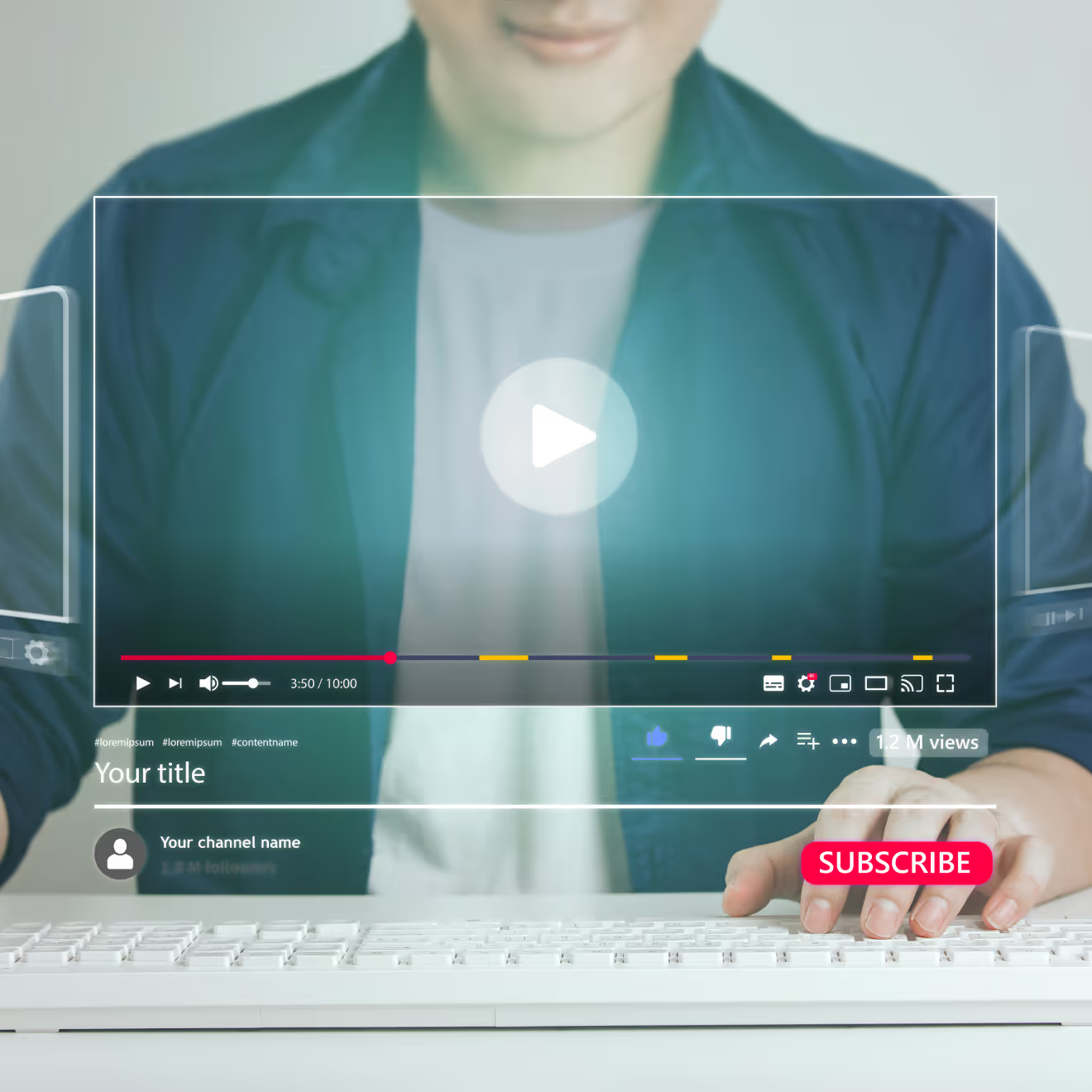
Organizations using video-based training see significant improvements in engagement, completion, and on-the-job performance.


See Video-Based Learning in Action
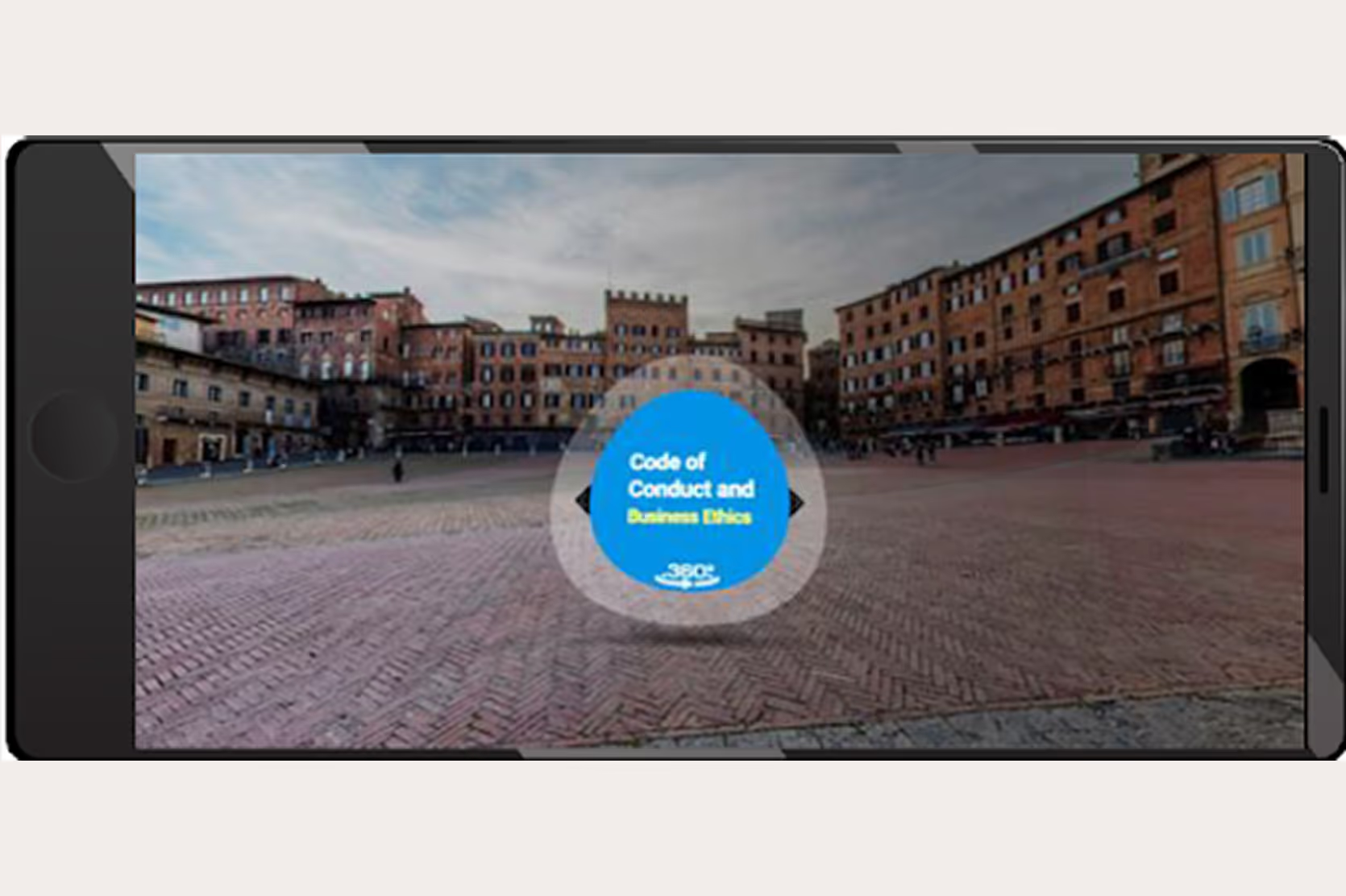
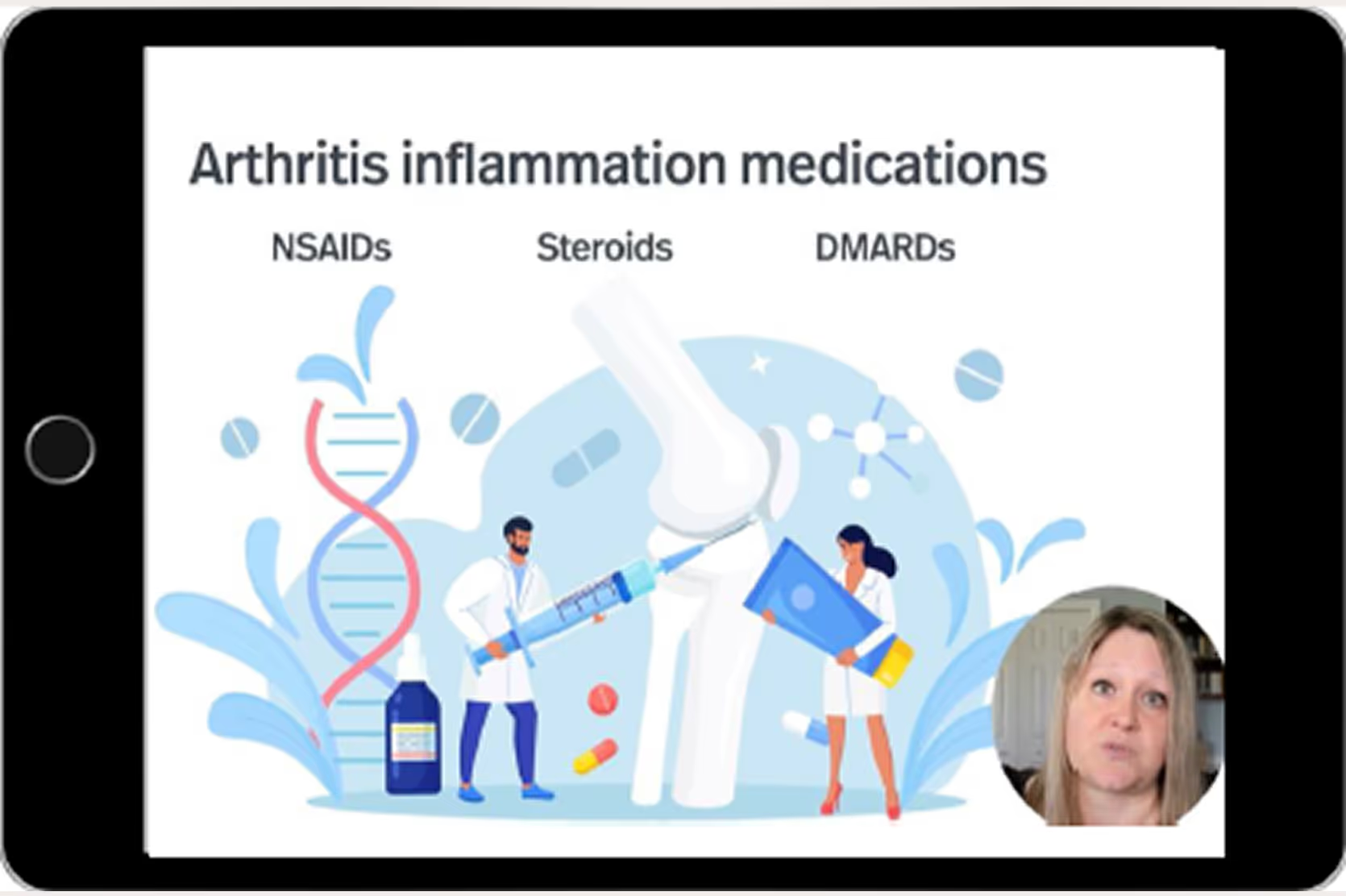
Explore real-life examples of how video transforms corporate training across different formats and learning objectives.
We’ve Helped Grow Hundreds of Companies.
Case studies from organizations building capability and performance with us.








FAQs
What is video-based learning?
Video-based learning uses video as the primary medium for training. It combines visuals, audio, and storytelling with interactive elements like quizzes and branching scenarios to improve retention and engagement.
How long should training videos be?
Videos under 7 minutes achieve the highest engagement rates. For microlearning, 2-7 minutes works best. Match video length to content complexity.
What video formats work best for different training needs?
Explainer videos work for concepts, screen-capture for software training, scenario-based for soft skills, and interactive videos for immersive practice. Format depends on learning objectives.
How do I build an effective video-based training strategy?
Identify learning objectives, audience needs, and content gaps. Determine formats, plan resources, and establish metrics. A strong video-based training strategy includes governance, accessibility, and continuous improvement.
How do you measure video learning effectiveness?
Track completion rates, engagement analytics, quiz scores, and time to competency. The most meaningful measurement connects training to business outcomes like productivity or error rates.
What about accessibility and inclusive learning?
Accessible video includes closed captions, transcripts, audio descriptions, and mobile optimization as standard. Multilingual support and WCAG compliance ensure inclusive access.


