






.avif)

Scenario-Based Learning That Drives Real-World Performance
Practice realistic workplace decisions in a safe environment to build confidence, judgment, and critical thinking skills.

Why Active Practice Beats Passive Learning
Traditional training delivers information but doesn't prepare employees for real workplace challenges. When faced with complex decisions, competing priorities, or high-stakes situations, knowledge alone isn't enough. Scenario-based learning puts learners in realistic situations where they make choices, see consequences, and build the decision-making skills needed for actual job performance.

What Makes Scenarios Effective
Six core elements that create engaging, memorable, and actionable learning experiences.

Realistic Situations
Built from actual workplace scenarios that mirror the learner's environment and challenges.

Safe Environment
Practice making mistakes and learning from them without real-world consequences or risk.

Branching Scenarios
Multiple decision paths with different outcomes based on learner choices.

Learner Control
Choose any response, explore "what if" paths, and replay scenarios to see different outcomes.

Immediate Feedback
Understand the impact of decisions instantly with diagnostic feedback explaining why choices work or don't.

Decision-Making Practice
Build critical thinking and problem-solving skills through repeated exposure to realistic challenges.
Realistic Situations
Built from actual workplace scenarios that mirror the learner's environment and challenges.
Safe Environment
Practice making mistakes and learning from them without real-world consequences or risk.
Branching Scenarios
Multiple decision paths with different outcomes based on learner choices.
Learner Control
Choose any response, explore "what if" paths, and replay scenarios to see different outcomes.
Immediate Feedback
Understand the impact of decisions instantly with diagnostic feedback explaining why choices work or don't.
Decision-Making Practice
Build critical thinking and problem-solving skills through repeated exposure to realistic challenges.
Why Organizations Choose Scenario-Based Training
Scenario-based learning delivers measurable improvements in workplace performance and behavioral change.
Validate Learning
Checkpoint comprehension and ensure learners can apply knowledge in realistic contexts.
Drive Behavioral Change
Transform knowledge into action through experiential practice that changes how employees think and act.
Facilitate Application
Bridge the gap between training and job performance with practice that mirrors real work.
Improve Decision-Making
Build judgment and confidence by experiencing consequences in a risk-free environment.
Increase Critical Thinking
Develop problem-solving skills through scenarios that require analysis and evaluation.
Create Sticky Learning
Improve retention through memorable experiences that connect emotionally and practically.
Strategic Elements That Drive Engagement
From onboarding to leadership development, we tailor proven game mechanics to each learning need.

Microlearning Scenarios
Short, focused scenarios for quick skill checks and reinforcement.

Interactive Videos
Video-based scenarios with branching decision points and realistic interactions.

Gamified Experiences
Scenarios with game mechanics like points, badges, and leaderboards for increased engagement.
.svg)
Immersive Learning (AR/VR)
Virtual reality scenarios for technical, safety, or spatial training that requires immersion.

Mobile Learning
On-demand scenarios accessible on mobile devices for just-in-time performance support.

Self-Paced eLearning
Comprehensive scenario-based courses for compliance, onboarding, and skill development.

AI-Powered Scenarios
Adaptive scenarios that adjust difficulty and paths based on learner performance.

Blended Learning Integration
Pre-work scenarios before live sessions or follow-up practice after workshops.
Microlearning Scenarios
Short, focused scenarios for quick skill checks and reinforcement.
Interactive Videos
Video-based scenarios with branching decision points and realistic interactions.
Gamified Experiences
Scenarios with game mechanics like points, badges, and leaderboards for increased engagement.
Immersive Learning (AR/VR)
Virtual reality scenarios for technical, safety, or spatial training that requires immersion.
Mobile Learning
On-demand scenarios accessible on mobile devices for just-in-time performance support.
Self-Paced eLearning
Comprehensive scenario-based courses for compliance, onboarding, and skill development.
AI-Powered Scenarios
Adaptive scenarios that adjust difficulty and paths based on learner performance.
Blended Learning Integration
Pre-work scenarios before live sessions or follow-up practice after workshops.
How We Build Effective Scenarios
Structured process that ensures scenarios align with business goals and drive measurable results.
Understand Your Needs
Design Realistic Scenarios
Build Branching Paths
Create Feedback Mechanisms
Test and Refine
Measure Impact
Measurable Results
Our custom eLearning solution creates traceable impact via instructional design excellence.


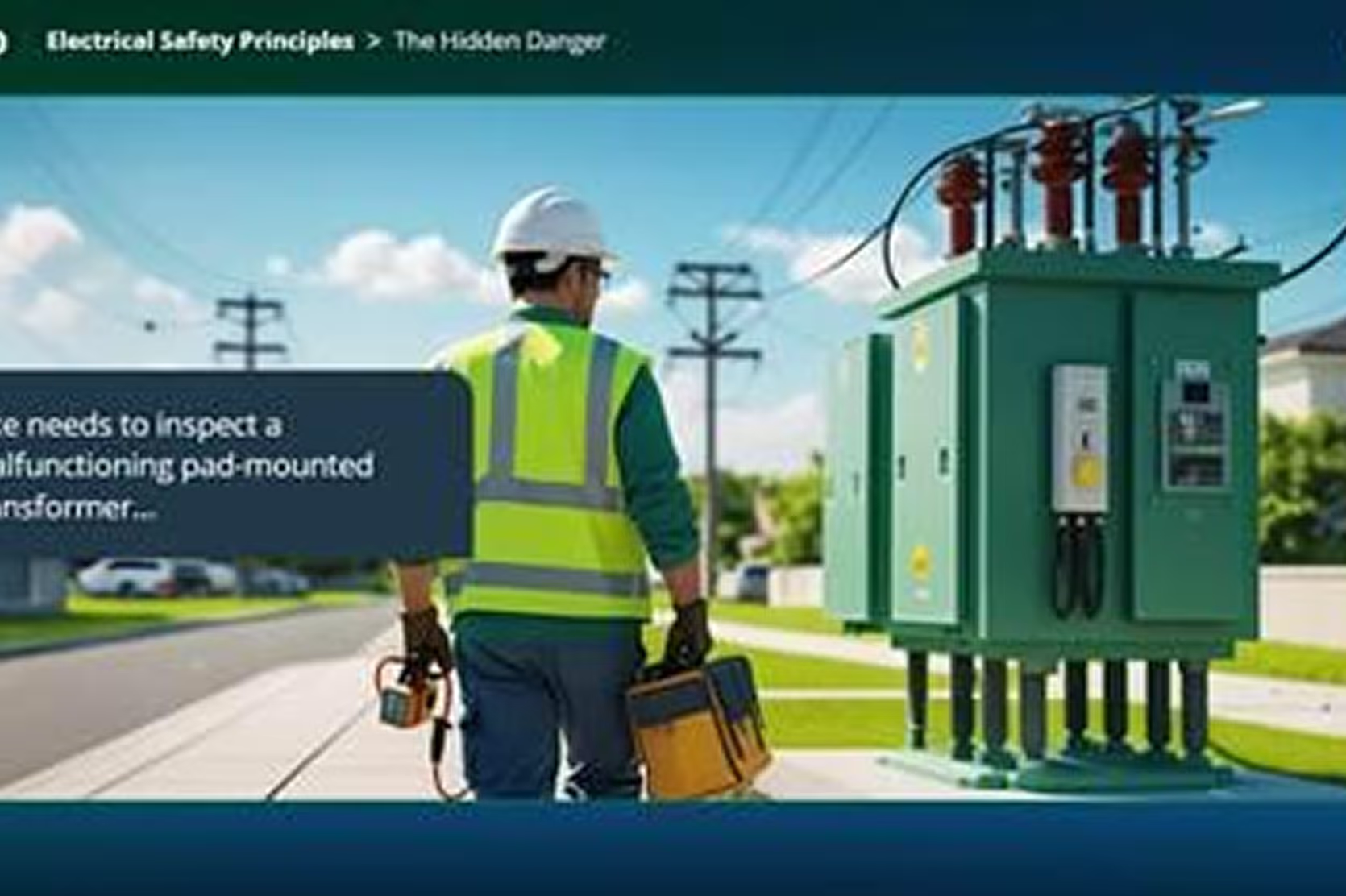
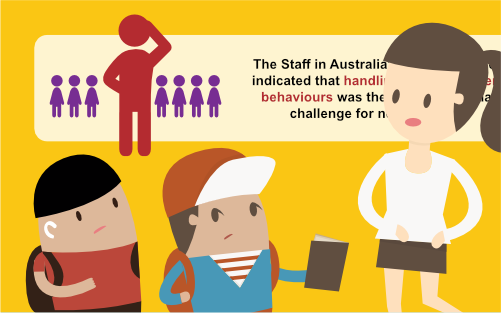
See Scenario-Based Learning in Action
Examples of how we bring realistic workplace situations to life through interactive scenarios.

We’ve Helped Grow Hundreds of Companies.
Case studies from organizations building capability and performance with us.







FAQs
What is scenario-based learning?
Scenario-based learning is an interactive training approach that uses realistic workplace situations to build skills. Learners are presented with challenges that mirror actual job responsibilities, make decisions about how to respond, and see the consequences of their choices. This active learning method helps employees practice critical thinking, problem-solving, and decision-making in a safe environment before applying skills on the job. It's particularly effective for training that requires judgment, interpersonal skills, or complex decision-making rather than simple knowledge recall.
When should organizations use scenario-based training?
Scenario-based training is most effective for situations involving judgment, risk management, interpersonal dynamics, or compliance where understanding consequences and trade-offs matters. This includes leadership development, sales training, customer service, safety protocols, ethical decision-making, and any role where employees must navigate ambiguous or high-stakes situations. It's less suited for simple knowledge transfer or procedural tasks that don't require decision-making.
What platforms support scenario-based e-learning?
Scenarios integrate with standard learning platforms through SCORM, xAPI (Tin Can), or LTI standards. This ensures seamless LMS integration with full tracking of learner choices, decision paths, and proficiency levels. Content can be delivered via web browsers, mobile apps, or VR headsets depending on format and complexity.
Can scenarios be localized for global audiences?
Yes. Scenarios can be fully localized to preserve cultural authenticity while maintaining learning objectives. This includes translating content, adapting character names and contexts, adjusting decision paths to reflect regional norms, and ensuring examples resonate with local audiences. The core learning goals and risk awareness remain consistent across all versions.
How are scenario outcomes measured?
Effectiveness is measured through decision accuracy within scenarios, confidence scores before and after training, behavioral observation on the job, incident rate reductions, supervisor feedback on skill application, and comparison of performance metrics between trained and untrained groups. Analytics track which decision paths learners take, where they struggle, and how proficiency improves over time.
Which topics benefit most from scenarios?
Topics involving judgment and interpersonal skills see the greatest benefit, including ethics and compliance, safety procedures, sales objections and negotiation, service recovery, leadership coaching, conflict resolution, operational decision-making, and crisis management. Any training where employees must evaluate situations, weigh trade-offs, and choose appropriate responses benefits from this approach.


