






.avif)

Augmented and Mixed Reality Training
Enhance print materials with digital content. Add videos, 3D models, and interactive instructions to manuals, brochures, and documentation through QR-based augmented reality.

Bring Learning Materials to Life with Digital Content
AR/MR learning enhances physical training materials by overlaying digital information exactly where it's needed. Scan a printed manual and watch 3D assembly instructions appear. Point at equipment and see maintenance procedures overlaid on the actual machine. Transform static documents into interactive experiences with videos, animations, and step-by-step guidance accessible through smartphones or AR glasses. No app installation required—QR codes provide instant access to augmented reality content. Immersive learning that extends what's possible with print alone, making technical documentation interactive and onboarding materials engaging.
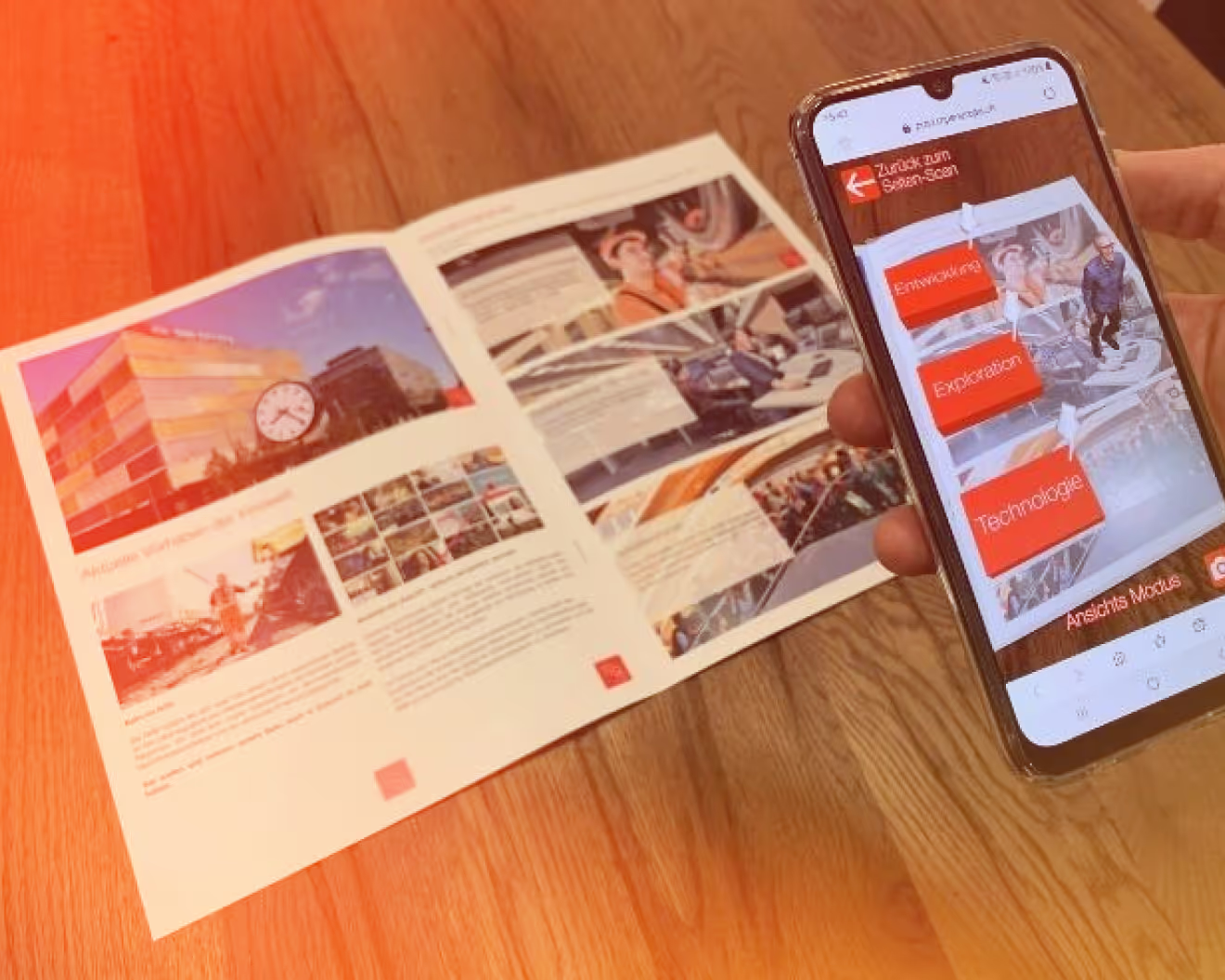
How AR/MR Learning Works
Simple technology that extends print materials with digital content accessible instantly.
QR-Based Access
No app installation required. Standard QR code readers provide instant access to augmented reality content on any device.
Extends Physical Materials
Add videos, 3D models, animations, and interactive content that couldn't fit in print due to space constraints.
Cloud-Based Updates
Update digital content without reprinting materials. Keep information current through cloud-based management.
Works on Existing Devices
Accessible through smartphones, tablets, and AR glasses employees already use. No specialized equipment needed.
Measurable Engagement
Track which content gets accessed, how long users engage, and what information resonates most with learners.
Transform Static Materials into Interactive Experiences
From technical manuals to marketing materials, add digital layers that extend what print alone can deliver.

Technical Documentation & Manuals
Enhance maintenance guides, repair instructions, and equipment manuals with 3D models, video demonstrations, and interactive overlays.

Training & Onboarding Materials
Transform printed onboarding documents into interactive experiences with videos, tutorials, and guided walkthroughs accessible via QR codes.

Product Catalogs & Brochures
Extend marketing materials with product demos, 360° views, customer testimonials, and additional information beyond print constraints.

Safety & Compliance Documentation
Add video demonstrations, procedural animations, and interactive checklists to printed safety protocols and compliance guides.

Educational Content & Textbooks
Bring learning materials to life with animations, 3D visualizations, supplementary videos, and interactive exercises.

Equipment Labels & Signage
Overlay operational instructions, troubleshooting guides, and maintenance schedules directly on machinery and equipment.
Technical Documentation & Manuals
Enhance maintenance guides, repair instructions, and equipment manuals with 3D models, video demonstrations, and interactive overlays.
Training & Onboarding Materials
Transform printed onboarding documents into interactive experiences with videos, tutorials, and guided walkthroughs accessible via QR codes.
Product Catalogs & Brochures
Extend marketing materials with product demos, 360° views, customer testimonials, and additional information beyond print constraints.
Safety & Compliance Documentation
Add video demonstrations, procedural animations, and interactive checklists to printed safety protocols and compliance guides.
Educational Content & Textbooks
Bring learning materials to life with animations, 3D visualizations, supplementary videos, and interactive exercises.
Equipment Labels & Signage
Overlay operational instructions, troubleshooting guides, and maintenance schedules directly on machinery and equipment.
Why Organizations Choose AR/MR Learning
Measurable improvements in engagement, accessibility, and content effectiveness when enhancing materials with digital layers.

AR Living Paper in Action
See how augmented reality transforms static print materials into interactive learning experiences.

We’ve Helped Grow Hundreds of Companies.
Case studies from organizations building capability and performance with us.











FAQs
What is immersive learning?
Immersive learning uses technologies like virtual reality, augmented reality, and mixed reality to create interactive training experiences where learners practice skills in realistic simulated environments. Unlike traditional training methods that rely on passive instruction, this immersive training solution provides hands-on experiences through AR MR learning platforms. Employees can practice dangerous tasks safely, repeat procedures until mastery, and learn complex skills without real-world consequences.
What's the difference between VR, AR, and MR?
Virtual reality creates fully digital environments accessed through headsets, completely replacing the real world with simulations. Augmented reality overlays digital information onto the physical world through mobile devices or AR glasses, enhancing what you see with contextual data. Mixed reality blends both approaches, allowing physical and digital objects to interact in real-time. Each serves different immersive learning applications: VR excels for emergency training and soft skills where full immersion helps, AR works best for on-job guidance and equipment repair with step-by-step overlays, while MR enables complex assembly training where trainees manipulate both real and virtual components. Organizations often deploy multiple technologies depending on specific training needs and environments.
What industries benefit from immersive training solutions?
Healthcare uses immersive learning for surgical practice, patient communication, and diagnostic training. Manufacturing applies AR MR learning for assembly procedures, equipment maintenance, and safety protocols. Construction and engineering train workers on dangerous tasks, site navigation, and machinery operation. Energy and utilities practice emergency responses, equipment repairs, and hazardous environment procedures. Retail and customer service develop soft skills through virtual interactions and complaint handling scenarios. Aviation trains pilots, mechanics, and ground crews through flight simulators and maintenance procedures. Any industry requiring hands-on skills, safety training, or experiential learning benefits from this immersive training solution approach.
Is immersive learning expensive to implement?
Initial investment in headsets and content development varies, but total cost of ownership often decreases compared to traditional training. Organizations eliminate travel expenses, reduce equipment needs, avoid operational disruptions, and scale training without proportional cost increases. VR headsets range from affordable mobile-based systems to premium standalone devices. Augmented reality works on existing smartphones and tablets. Mixed reality requires specialized hardware but delivers unique training value. Content can be custom-developed or purchased off-the-shelf depending on needs. Most organizations see ROI within months through reduced training time, fewer safety incidents, lower equipment damage, and improved competency. Simulations enable practicing rare emergency scenarios impossible to replicate otherwise.
Can immersive learning work for remote teams?
Yes, immersive learning solutions are ideal for distributed workforces. VR training works anywhere with headsets and internet connectivity, eliminating travel requirements. AR applications run on mobile devices employees already carry. Cloud-based platforms enable simultaneous training across global teams with consistent quality. Remote workers practice procedures in virtual environments matching their actual job sites. Trainers can monitor progress, provide feedback, and adjust content remotely. This immersive training solution approach became especially valuable during remote work transitions, allowing companies to maintain training effectiveness without in-person sessions. Organizations with international operations use AR MR learning to standardize training while respecting local languages and contexts.


