






.avif)

Accessibility & Inclusive Design for Equitable Learning
Design learning experiences from the outset for complete diversity through Universal Design for Learning principles, accessibility standards, flexible approaches eliminating barriers for all learners.
Understanding Accessibility & Inclusive Design
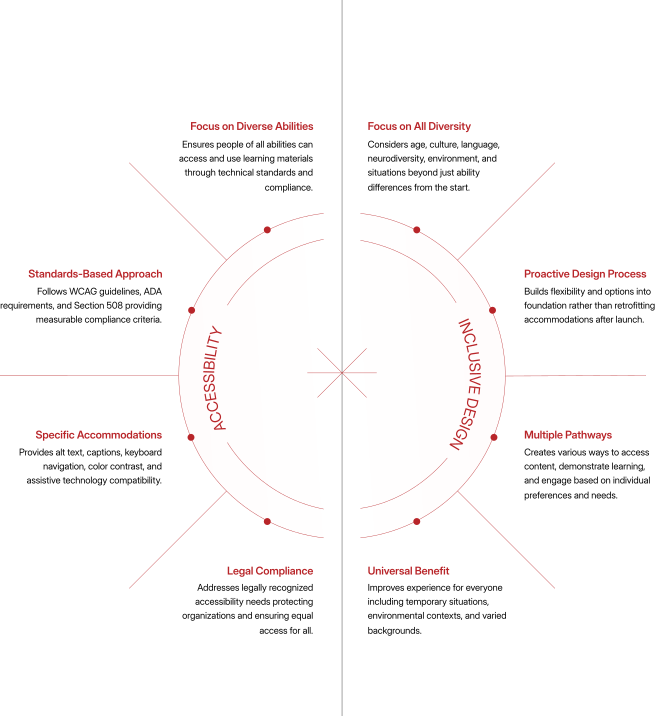
Organizations often confuse accessibility vs inclusivity, yet both are essential for equitable learning. Accessible design accommodates people with disabilities through WCAG standards ensuring perceivable, operable, understandable, robust content. Inclusivity considers broader diversity including age, culture, language, economic situation, geographic location.
Understanding inclusive vs. accessible design clarifies their complementary roles. Accessibility ensures compliance, removing technical barriers while inclusiveness addresses representation, belonging, diverse contexts. Together they create experiences where everyone participates fully and authentically.
Core Elements of Accessibility & Inclusive Design
Seven capabilities ensuring learning experiences work for all people in all situations.
WCAG Accessibility Standards
Meet Web Content Accessibility Guidelines ensuring accessible eLearning content through perceivable, operable, understandable, robust requirements.
Universal Design for Learning
Apply UDL framework providing multiple means of representation, expression, and engagement supporting all learning preferences.
Neurodiversity Support
Design for cognitive diversity including ADHD, autism, dyslexia through flexible pacing, chunked content, and reduced cognitive load.
Cultural Inclusivity
Consider diverse cultural contexts, languages, and backgrounds using inclusive language, authentic representation, and plain language options.
Environmental Flexibility
Anticipate varied situations supporting mobile learning, noisy environments, limited bandwidth, and temporary barriers affecting all users.
Personalization Options
Enable learners to customize experience through adjustable text, color schemes, pacing controls, and interaction methods.
AI-Assisted Accessibility
Leverage AI to generate alt text for images, auto-captions for videos, content simplification, and accessibility compliance checking at scale.
Building Accessibility & Inclusive Design into Learning
Six stages combining accessibility standards with inclusive design principles.
Diverse Needs Assessment
Universal Design Framework
Accessible Foundation
Inclusive Options
Diverse Testing
Continuous Improvement
Measurable Organizational Value
Strategic programs delivering improved compliance, expanded reach, enhanced outcomes.


We’ve Helped Grow Hundreds of Companies.
Case studies from organizations building capability and performance with us.











FAQs
What is accessibility & inclusive design?
Accessibility ensures people with disabilities can use content; inclusivity proactively addresses full human diversity from the start eliminating barriers for everyone.
How does inclusive vs. accessible design differ?
Accessibility focuses on meeting standards for people with disabilities; inclusivity addresses broader human diversity including culture, language, and learning preferences proactively.
What is accessibility vs inclusivity in practice?
Accessible design meets compliance standards reactively; inclusivity considers full diversity proactively from conception reducing need for individual accommodations.
What is Universal Design for Learning?
It is a framework providing multiple means of engagement, representation, and expression creating flexible learning experiences and addressing variability in how people learn effectively.
Why is accessibility design important?
Implementing accessibility & inclusive design creates equitable learning experiences, reduces legal risk, expands audience reach, and improves outcomes for all learners through better design.
How do you implement inclusive training design?
Apply UDL principles, follow WCAG standards, test with diverse users, provide multiple content formats, and flexible assessment options.


