



.avif)

How a Manufacturing Company Transitioned from Face-to-face Training to Virtual Learning and Improved Learner Engagement and Efficiency


Product training for technicians is one of the few subjects where classroom delivery has a genuine advantage. The machine is in the room. Someone opens it, points at the part, and the trainee sees how it fits together. Any move away from that has to answer an obvious question, which is what replaces the machine.
This case study covers how a manufacturing and logistics company made that transition for its technician product training, what it used in place of the physical equipment, and how it handled a client organization that had never run virtual learning before and was not confident about starting.
The background
A leading name in the manufacturing and logistics sector was moving away from face-to-face training and into on-demand training for its technicians. The requirement was an immersive product training program that would equip technicians with the product knowledge the role demands.
The bar was set clearly. The learning had to be as close to real life as possible, because the point was not familiarity with the product. It was technicians operating the machines accurately. The organization was also apprehensive, since this was its first experience of virtual learning, which meant the program had to work and be seen to work.
The design problem
Two problems sat on top of each other. The first was the machinery. The product design was complicated, and complicated assemblies do not survive being flattened into diagrams and bullet points. A technician needs to understand how components sit in relation to one another, and that spatial knowledge is exactly what a slide loses.
The second was volume. Product training of this kind runs to a large body of content, and a technician cannot work through it in one pass or retain it if they do. Handing over the full curriculum as a single course would have produced something nobody finished.
How our team approached the solution
A character-driven scenario to open
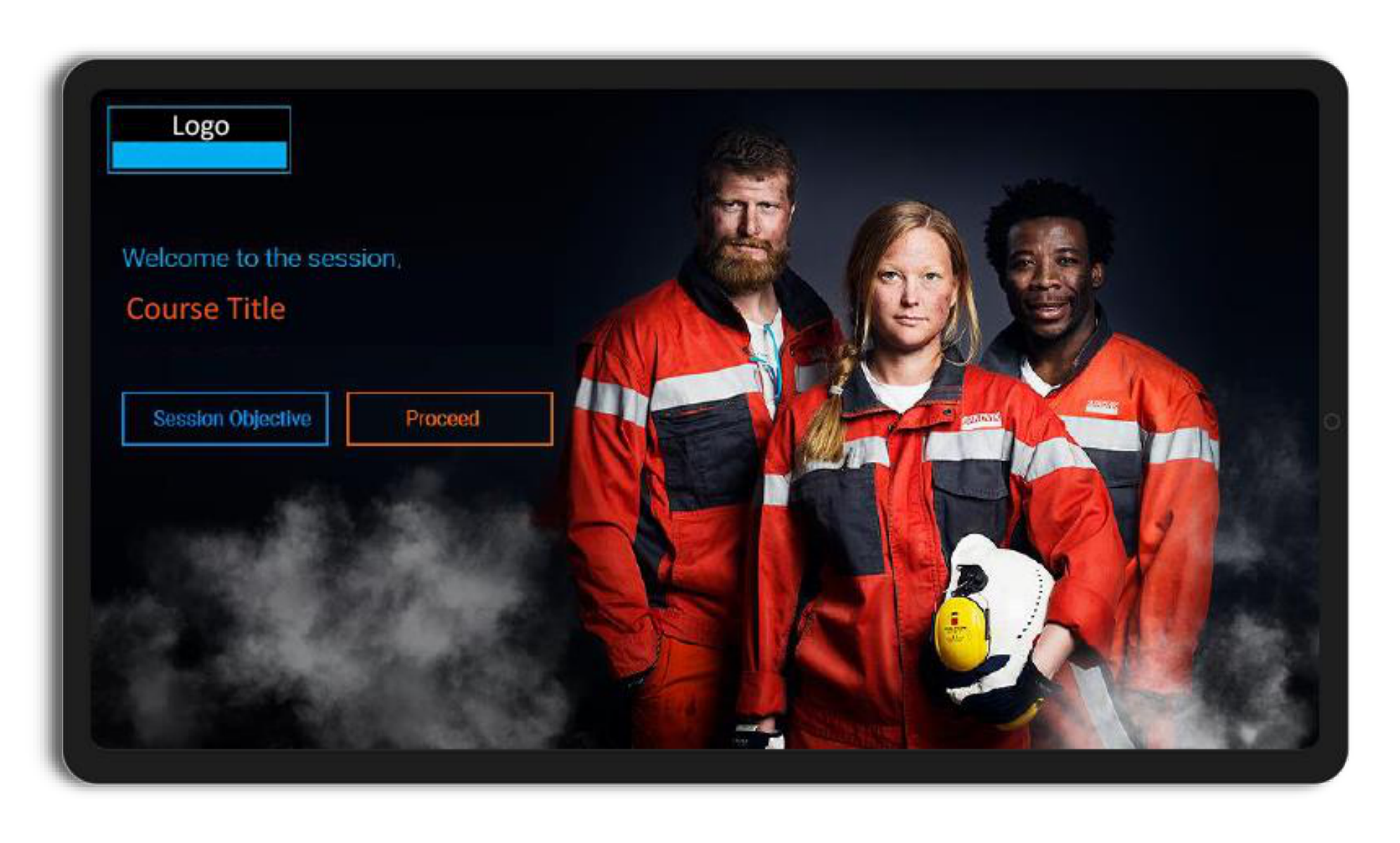
Our team opened with a character-driven, scenario-based approach so that learners were engaged from the first screen rather than at some later point once the technical content had warmed up. For an audience new to on-demand training, and a client organization nervous about the format, the first two minutes carry more weight than they normally would.
Microlearning inside a macrolearning path
The volume problem was handled with a microlearning in macrolearning structure. The full curriculum stays intact as a path a technician progresses through, while each unit within it is short enough to be taken between jobs and returned to later. That arrangement serves the two things technicians actually need from product training, which are a route through the subject the first time and a way back to one specific answer afterwards.
VR based simulations for the machine itself
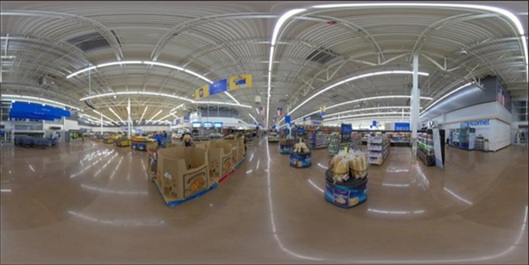
For the equipment, our team used VR based simulations. The machine design was complicated enough that it needed technology capable of replicating it closely and letting learners explore it properly, which is what the simulation provided. Technicians could examine components in context and understand assemblies as assemblies, which is the part of classroom product training that is hardest to replace and the reason this program did not simply become a set of annotated diagrams.
Alongside the simulations, component views broke down individual assemblies with the specifications a technician needs at hand.
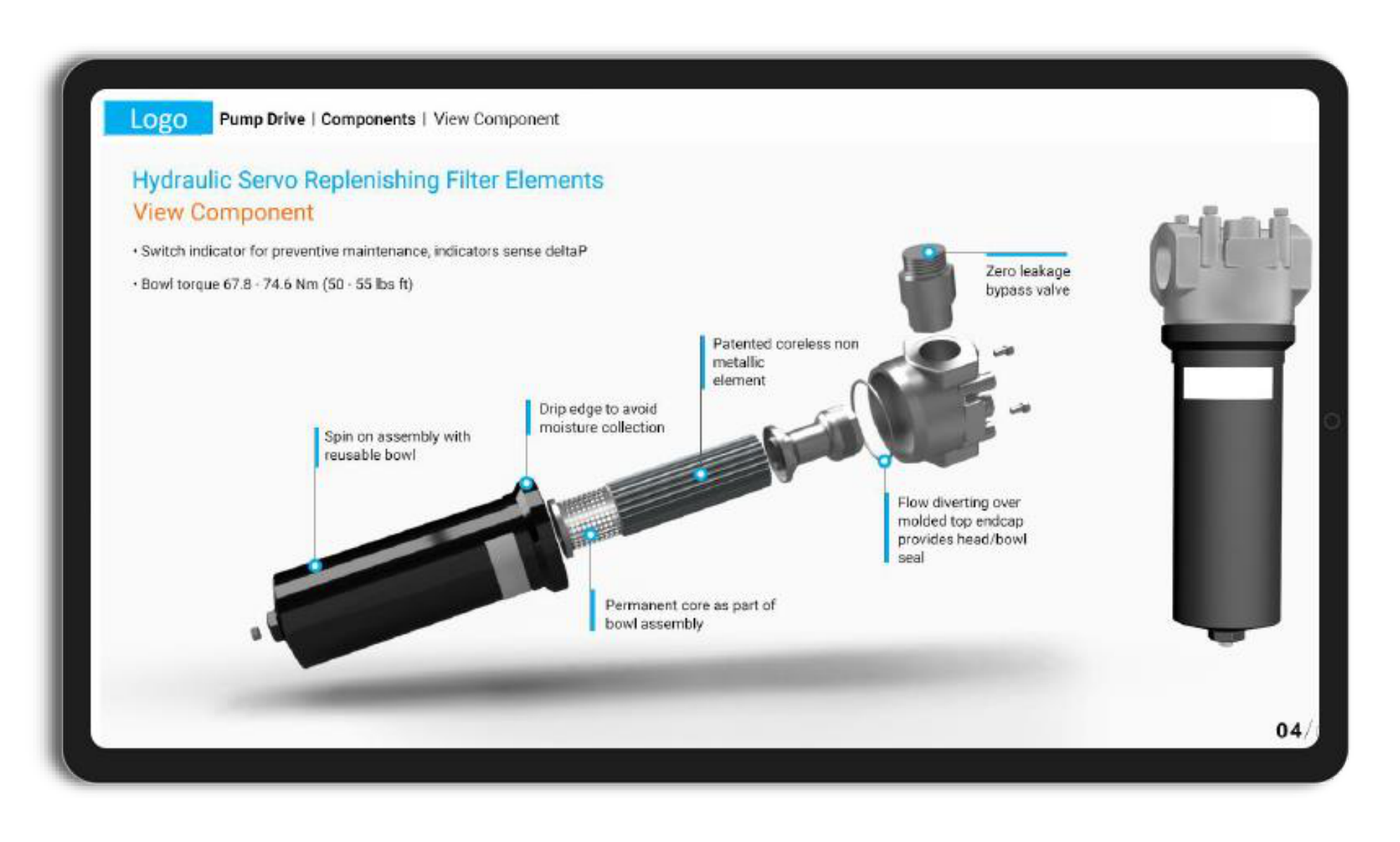
Gamified activities for evaluation
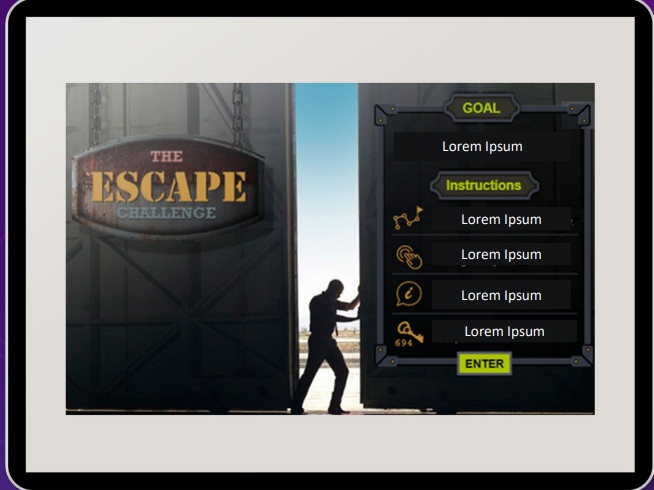
Gamified activities were introduced to evaluate learner performance. Assessment is usually the weakest link in product training, since a knowledge check on component names says little about whether a technician can work on the equipment. Building the evaluation as an activity puts the learner in the task rather than in a quiz about it.
A framework built to take more models
The framework was made scalable so it could be upgraded easily as further models were added. This is a practical point that gets underestimated. A manufacturer’s product range changes, and a training build that cannot absorb a new model without being rebuilt has a much shorter life than the investment assumes.
Microlearning and mobile delivery through the LMS and LXP
Delivery ran as microlearning and mobile learning through the LMS and LXP, putting the material at the point of work rather than only in a training window.
The impact
- Learners responded strongly to the training experience and were able to apply the complicated product design concepts without difficulty.
- The organization recorded high participation and completion despite this being a first-time experience with virtual learning.
- Efficiency improved, with learners able to reach the learning each time they needed it rather than waiting for a scheduled session.
The second result is the one that answers the apprehension in the brief. High participation and completion from an organization with no track record in virtual learning is the outcome that decides whether a second program follows.
What this case study shows
When training moves off the shop floor, the question is not how to present the content differently. It is what replaces the thing the learner used to be standing in front of. Here that answer was a simulation faithful enough to explore, and everything else in the design existed to get technicians to it and keep them coming back to it.
It is also worth noting where the immersive technology was and was not used. The simulations carried the machinery, because that is what needed spatial understanding. The rest of the curriculum stayed as short units on a phone, because that is what a technician between jobs can actually use.
If you are moving technical or product training off the shop floor for the first time, Liberate can help you work out what has to be simulated and what does not.

subscribing!
Related Case Studies