






.avif)

Building Successful Corporate Learning Strategies: Essential Components and Examples


Summary
Learn how structured corporate learning strategies bridge skill gaps and drive measurable business growth. It provides a roadmap for implementing personalized, tech-driven training frameworks—such as gamification and immersive learning—to foster a high-performance culture and maximize ROI.h
In today’s business environment, many organizations struggle to keep up with rapid changes, missing out on opportunities to stay competitive. Despite this, one of the most effective ways to adapt and grow is through structured employee training, which often remains underutilized. Without a clear approach to learning, businesses face challenges such as skill gaps, disengaged employees, and stagnation.
The impact of training, however, is undeniable. Companies that invest in comprehensive learning programs see an exponential increase in income per employee compared to those that don’t formalize their training efforts.
In this blog, we will explore how well-designed corporate learning strategies address these challenges and how you can implement them to drive measurable improvements in both employee capability and business results.
What Are Corporate Learning Strategies?
Corporate learning strategies are structured frameworks that help employees acquire new skills and knowledge to improve job performance, productivity, and business outcomes. Aligned with organizational goals, these strategies address workforce learning needs, keeping employees up-to-date with industry trends and prepared for new challenges.
Beyond traditional training, they incorporate immersive experiences, personalized learning paths, and continuous development. The goal is to promote a learning culture that empowers employees to enhance their skills and drive business growth.
The Role of Corporate Learning in Business Success
Corporate learning is key to keeping businesses competitive and adaptable. It equips employees with the skills needed to improve performance, drive innovation, and meet evolving market demands. It enables organizations to:
- Enhance employee skills: Continuous learning ensures that employees are well-equipped with the knowledge required to meet current and future challenges.
- Drive business outcomes: By aligning learning objectives with business goals, corporate learning strategies directly improve performance, productivity, and innovation.
- Foster employee engagement: Investing in employee development boosts morale, job satisfaction, and retention.
- Support organizational change: Learning programs help employees adapt to new technologies, processes, or business models, ensuring smoother transitions.
Core Components of an Effective Corporate Learning Strategy
Building a successful corporate learning strategy requires a clear understanding of its essential components. Below are the core components of an effective strategy:
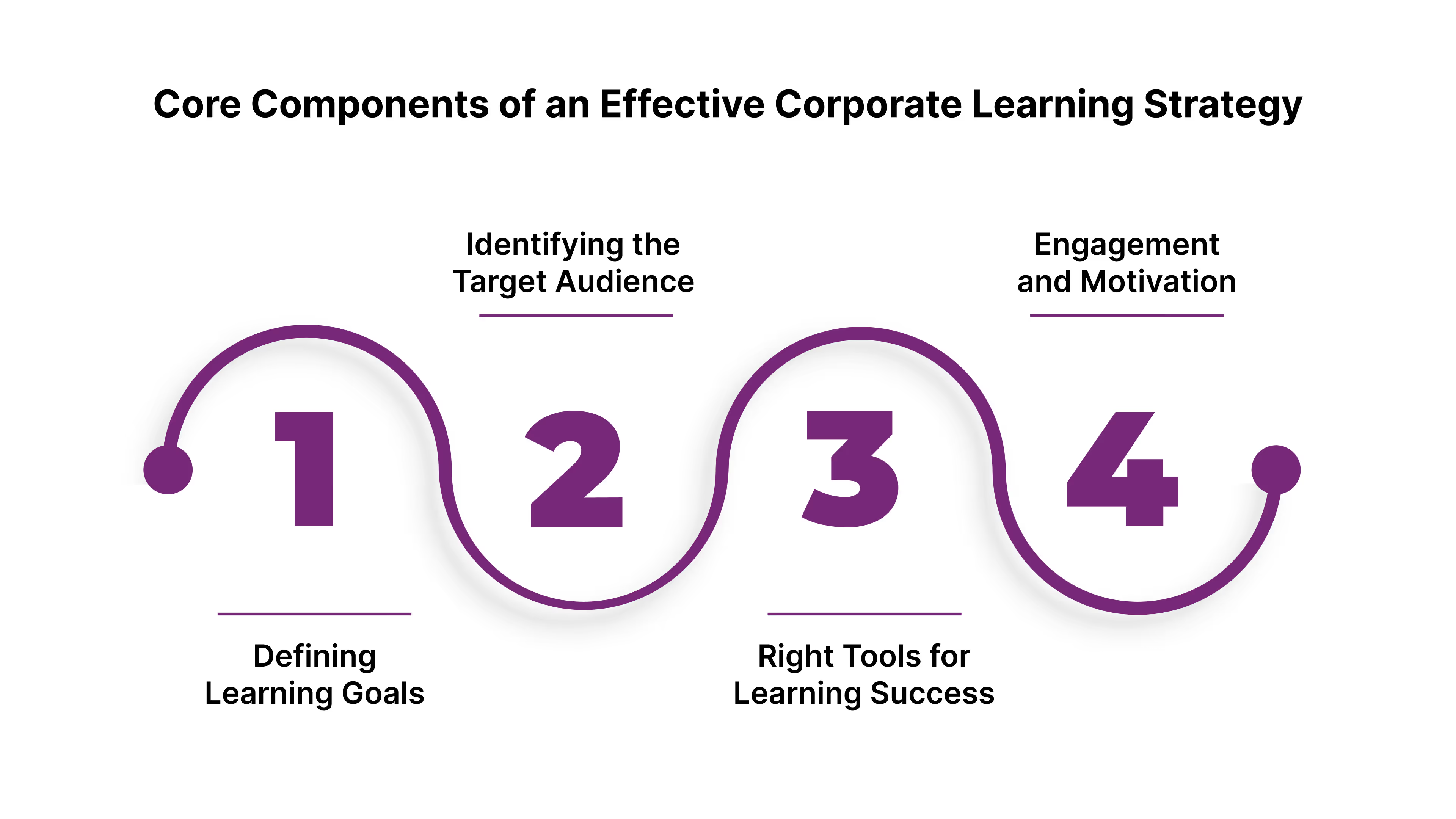
1. Defining Learning Goals
The foundation of any corporate learning strategy is clear, measurable learning goals. These goals should align with business objectives and address the specific skills and competencies employees need to develop.
For example, a company expanding into new markets might focus on market research, sales strategies, and customer engagement. Similarly, companies adopting new technology could set goals to upskill employees on digital tools.
Actionable Tip: Ensure that learning goals are specific, measurable, achievable, relevant, and time-bound (SMART) to maximize their impact on both employees and the organization.
2. Identifying the Target Audience
Employees have varied learning needs, and one-size-fits-all programs often fall short. A successful corporate learning strategy involves identifying the target audience and tailoring learning experiences to meet those specific needs.
For instance, senior management may need leadership training, while entry-level employees may need basic skills training. Additionally, learning preferences vary: some employees favor self-paced online courses, while others benefit from interactive workshops.
Actionable Tip: Segment your workforce by role, skill level, and learning preferences to create personalized learning paths tailored to each group’s needs.
3. Choosing the Right Learning Programs and Tools
Once you’ve defined your learning goals and identified the target audience, it’s time to select the right programs and tools. With technological advancements, learning has become more interactive and engaging. Some of the most effective learning tools today include:
- eLearning Platforms: Online platforms such as learning management systems (LMS) or learning experience platforms (LXP) provide access to a wide range of resources and courses.
- Scenario-Based Learning: Interactive simulations allow employees to practice real-world scenarios in a risk-free environment, fostering critical thinking and decision-making.
- Gamification: Integrating elements such as points, badges, and leaderboards creates a fun, competitive environment that drives engagement.
- Immersive Learning (AR/VR): Augmented and virtual reality offer immersive, hands-on learning experiences that are particularly useful for training in industries such as healthcare or manufacturing.
Actionable Tip: Select learning programs that integrate well with existing systems and offer flexibility to accommodate diverse learning styles and needs.
4. Engagement and Motivation
Engaging employees in continuous learning can be a challenge, but it is essential for achieving long-term success. To maintain motivation, companies should integrate elements that foster engagement, such as:
- Gamification: Incorporating rewards and friendly competition can enhance motivation and make learning enjoyable.
- Social Learning: Encourage peer-to-peer learning, where employees can share insights, resources, and experiences.
- Personalized Learning Paths: Tailoring learning journeys based on individual preferences and career goals helps employees stay motivated by making the learning process more relevant to them.
- Just-in-Time Training: Providing on-demand resources and quick access to knowledge ensures employees can get the right information exactly when they need it, allowing them to apply new skills immediately and stay productive.
Actionable Tip: Create a learning ecosystem that integrates multiple channels, such as mobile learning, microlearning, and social platforms, to keep employees engaged at every stage of their learning journey.
Implementing these core components helps businesses build a strong foundation for learning strategies that align with individual and organizational goals. Next, let’s explore the types of corporate learning strategies that address diverse learning needs.
Types of Corporate Learning Strategies
Effective corporate learning strategies are tailored to an organization's unique needs and objectives. Here are four key types of learning strategies that organizations can implement:
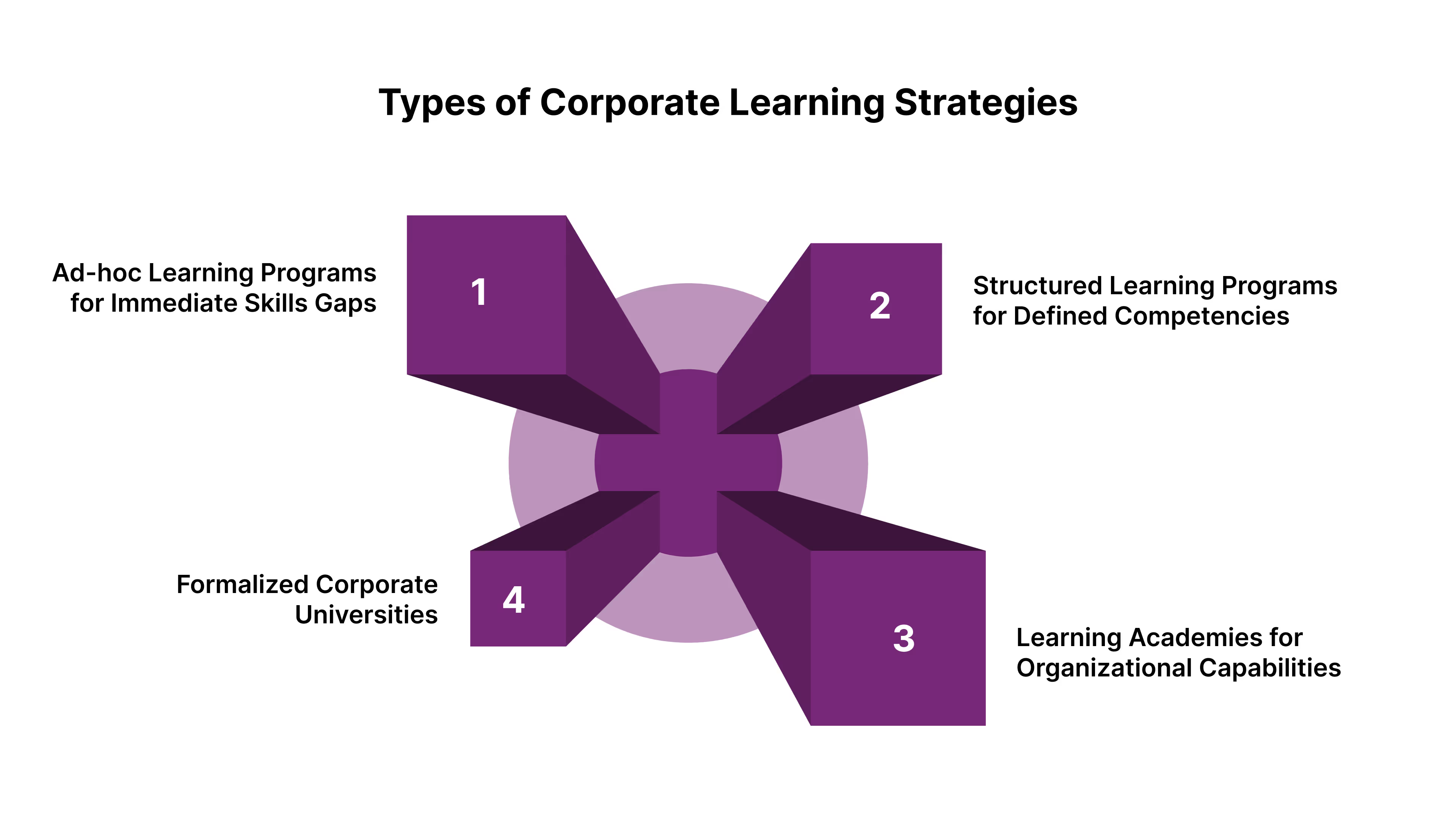
1. Ad-hoc Learning Programs for Immediate Skills Gaps
These are short-term, targeted training initiatives designed to address specific, urgent skill deficiencies within the workforce. Such programs are typically reactive, aiming to equip employees with the necessary competencies to meet immediate business demands or regulatory requirements.
2. Structured Learning Programs for Defined Competencies
Structured programs focus on developing specific skills or competencies essential to employees' roles. These programs are more deliberate and planned, often featuring curricula that include a range of learning methods, such as workshops, online courses, and assessments, to ensure comprehensive skill development.
3. Learning Academies for Organizational Capabilities
Learning academies are internal institutions established by organizations to foster continuous learning and development. They offer a broad range of learning opportunities to enhance employees' capabilities across various domains, thereby supporting the organization's long-term strategic goals.
4. Formalized Corporate Universities
Corporate universities are comprehensive, formalized learning structures that provide a wide array of educational programs, often in collaboration with external academic institutions. They are designed to align closely with the organization's mission and objectives, offering both foundational and advanced learning opportunities to develop a highly skilled workforce.
By selecting and implementing the appropriate strategy, companies can effectively address current skill gaps, prepare for future challenges, and align employee development with organizational goals.
Implementing Corporate Learning Strategies Effectively
Building a strategy is one thing, but ensuring its successful implementation is another. Effective implementation requires creating a strong learning culture, using data to inform decisions, and securing leadership buy-in. Here’s how you can implement your corporate learning strategy successfully:

1. Building a Learning Culture
A learning culture is one where employees are encouraged to continuously improve their skills, not just through formal training but also through informal and on-the-job learning. By promoting a growth mindset, companies can foster employees to embrace lifelong learning and take ownership of their development.
Actionable Tip: Encourage leadership to model learning behaviors and make learning a key part of performance appraisals and career progression.
2. Leveraging Data for Improvement
Data is an invaluable tool for optimizing corporate learning strategies. By using analytics, businesses can track employee progress, measure the effectiveness of learning programs, and identify areas for improvement.
Actionable Tip: Use data to continuously refine learning goals, identify skill gaps, and ensure that learning initiatives are directly contributing to business objectives.
3. Leadership Support and Stakeholder Buy-in
For a corporate learning strategy to succeed, it must have the support of leadership and stakeholders. Leadership buy-in ensures that learning initiatives are aligned with company objectives and receive the necessary resources to succeed.
Actionable Tip: Present a clear business case for corporate learning, highlighting how learning programs contribute to employee performance, innovation, and the bottom line.
4. Aligning Business Goals with Individual Development Plans
Aligning individual development plans (IDPs) with company objectives and key results (OKRs) ensures that training has a clear and measurable impact. This connection guarantees that learning efforts support the overall success of the business.
Actionable Tip: Regularly update IDPs to ensure they remain aligned with evolving business goals and performance targets.
5. Skill-Based Learning: Upskilling and Reskilling
Upskilling and reskilling are critical to keeping employees relevant in a constantly changing market. Companies that focus on enhancing employees’ skill sets will be better prepared for future challenges.
Actionable Tip: Invest in upskilling and reskilling programs to ensure your workforce is agile and prepared for the future.
By incorporating these key strategies, companies can lay a strong foundation for effective corporate learning. Now, let’s explore some examples of how organizations have successfully implemented these strategies and the impact they’ve had on both employee development and business performance.
Examples of Corporate Learning Strategy Success
Real-world examples can provide invaluable insights into how to implement corporate learning strategies successfully. Here are a few examples of companies that have effectively implemented corporate learning initiatives:
1. Gamification in Corporate Training
Siemens boosted employee engagement by integrating gamification into their training programs. Employees earned points and badges for completing tasks, leading to a 40% increase in engagement and a 25% improvement in sales performance.
2. Personalized Learning Paths
A company using a Learning Management System (LMS) to offer personalized learning paths saw a substantial increase in employee performance and a boost in retention rates. Tailoring learning to individual needs helped employees improve more efficiently, enhancing job satisfaction and overall performance.
3. Blended Learning Models
A tech firm implemented a blended learning model, combining online courses with in-person workshops. This approach increased knowledge retention and collaboration, boosting productivity and team effectiveness as employees learned at their own pace and applied skills in real-world situations.
These examples highlight how companies have successfully applied corporate learning strategies to drive engagement, performance, and business outcomes. To ensure these strategies are delivering the desired results, it's essential to measure their impact and return on investment.
Measuring Learning Impact and ROI
One of the most important aspects of corporate learning is measuring its impact. Businesses must track learning outcomes and correlate them to business performance metrics. Key performance indicators (KPIs) for measuring learning impact include:
- Employee Performance: Improvement in job performance, productivity, and skill proficiency.
- Engagement: The level of participation and completion rates in learning programs.
- ROI: The return on investment from learning initiatives, measured in terms of improved business outcomes like sales, efficiency, and customer satisfaction.
By measuring learning impact through key performance indicators, businesses can ensure their corporate learning initiatives drive tangible results.
How EI powered by MPS Powers Successful Corporate Learning Strategies
EI powered by MPS offers a range of innovative Learning Experience Design (LXD) and eLearning solutions that can transform corporate learning strategies. Their tailored programs help businesses align employee development with organizational goals, driving performance and growth.
- Scenario-Based Learning: EI Design’s immersive training simulates real-world challenges, enhancing decision-making and problem-solving skills.
- Gamification: By integrating game elements like points and leaderboards, EI Design boosts engagement and motivates employees to actively participate in learning.
- Adaptive Learning: Personalized learning paths allow employees to progress at their own pace, ensuring that each individual’s needs are met.
- Performance-Based Training: Focused on measurable outcomes, this training helps employees gain the skills needed to excel in their specific roles and contribute directly to business success.
- Blended Learning: Combining online modules with in-person training, EI Design provides a flexible learning experience that enhances knowledge retention.
- Mobile and Microlearning: These solutions allow employees to learn on-the-go and access short, focused content, ensuring continuous learning in the flow of work.
EI’s comprehensive solutions ensure that your corporate learning strategy not only develops a skilled workforce but also aligns with business objectives for long-term success.
Conclusion
Building successful corporate learning strategies is crucial for enhancing workforce performance and achieving business goals. By setting clear learning objectives, choosing the right tools, and fostering a culture of continuous learning, companies can create a learning ecosystem that directly impacts business outcomes.
Investing in corporate learning is not just about developing skills—it's about aligning training with organizational objectives. With immersive, personalized, and continuous learning approaches, organizations can ensure their workforce remains agile, innovative, and ready for future challenges.
Ready to build a successful corporate learning strategy? Contact EI today to access innovative learning solutions tailored to your business needs and drive measurable outcomes.
FAQs
1. How do I choose the right learning technologies (LMS/LXP)?
A: Consider scalability, analytics, integration capability, ease of use, and support for different content formats like microlearning, video, or simulations.
2. What’s the difference between training and corporate learning strategy?
A: Training is an activity; a learning strategy is a long-term roadmap that connects learning to business outcomes and employee development.
3. How often should a corporate learning strategy be updated?
A: At least every year, or whenever business goals, technologies, or employee skill needs change.
4. How do we increase employee participation in learning programs?
A: Use gamification, reward systems, leadership involvement, social learning, and create learning paths that are short, relevant, and accessible on-demand.
5. What are examples of effective corporate learning methods?
A: Microlearning, blended learning, gamification, mentorship programs, simulations, and role-based learning paths.

subscribing!
Related articles


.jpg)
.jpg)






.jpg)
