






.avif)
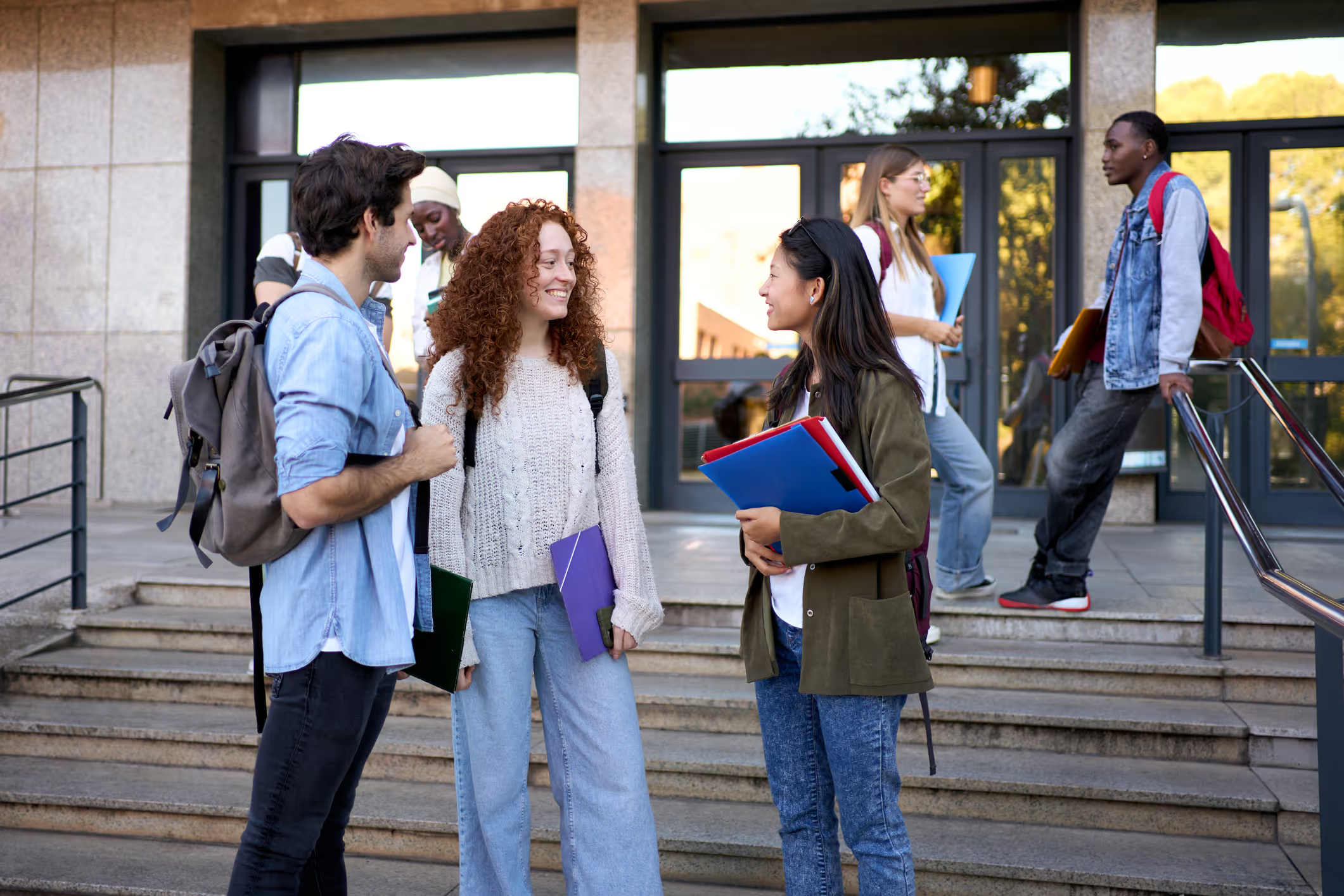
Designing Effective Learning for a Multigenerational Workforce


The integration of advanced technologies and the shift to remote work are reshaping job roles and workforce demographics. To stay ahead in this evolving landscape, organizations must implement personalized training programs tailored to the diverse needs of a multigenerational workforce.
Training across different generations is a complex endeavor. It demands innovative learning strategies to accommodate varying learning styles and technological proficiencies. By focusing on developing a future-ready, skilled multi-generational workforce, organizations can ensure resilience against emerging challenges while achieving a positive return on investment through high-tech-based learning solutions.
The Significance of Optimizing Learning for All Generations in the Workforce
According to Gallup’s 2023 “State of the Global Workplace” employee engagement levels around the globe are low across age groups. Nearly 77% of employees under 40 years of age and 76% of those over 40 are not engaged at work. Furthermore, 40% of employees above 40 are actively seeking another job. In such a high-attrition, low-engagement scenario, organizations need learning strategies that better cater to the requirements of a multigenerational workforce.
Skill-based organizations can optimize learning for a multigenerational workforce by incorporating a mix of traditional, digital, and interactive training methods. This approach caters to diverse learning styles, enhancing employee productivity. By integrating advanced technologies, these programs can deliver personalized and relevant training experiences, enabling employees to meet their unique learning needs and drive their own growth within the organization. This method boosts job satisfaction, motivates employees, and reduces turnover.
High-tech, multigenerational workforce training programs also facilitate shared learning experiences, fostering understanding and respect among employees from different age groups. This strategy bridges generational gaps and promotes greater collaboration, crucial as organizations prepare for an AI-integrated future. Leveraging the unique strengths and skills of different generations allows organizations to enhance productivity, spur innovation, and gain a competitive edge in the market.
Tailored multigenerational workforce training initiatives demonstrate an organization's commitment to every employee’s professional development, making them feel valued. This commitment improves job satisfaction and retention, and reduces the costs associated with high attrition rates, delivering a positive return on investment. Embracing high-tech-based learning solutions ensures that organizations remain future-ready and resilient to emerging challenges.
Tips for Effective Implementation:
- Assess Needs:
Regularly evaluate the learning needs of your workforce. - Use Data:
Leverage analytics to track training effectiveness and adapt programs. - Foster Inclusivity:
Encourage cross-generational mentorship and teamwork. - Stay Current:
Keep up with the latest technological advancements in training tools. - Solicit Feedback:
Continuously gather employee feedback to refine training programs.
Effective Learning Strategies for Multigenerational Learning
As organizations embrace inclusivity, they accommodate employees across different age groups, each with unique experiences, technological fluency, and learning approaches.
Multigenerational workforce brings collective knowledge and requires a nuanced instructional design strategy.
- Consider Diverse Learning Preferences: Develop content using gamification, interactive modules, and blended learning to engage a diverse audience with various strategies and modalities.
- Provide Flexible Learning Paths: Offer self-paced learning options and allow employees to choose between online modules, workshops, or mentorship programs based on their technological familiarity and learning preferences.
- Promote Social Learning: Encourage collaboration through discussion forums, mentorship programs, and peer learning communities to facilitate knowledge-sharing and foster a sense of community.
Here, I outline five powerful strategies to bridge generational gaps:
- Emphasize Immersive and Independent Learning:
- Use short, interactive, and visually engaging content accessible on mobile devices.
- Provide immersive, hands-on learning experiences.
- Just-in-Time Access to Resources:
- Offer continuous access to a variety of resources for ongoing skill development.
- Support the need for continuous learning with easily accessible content.
- Personalized Learning:
- Tailor content to individual learning styles and preferences.
- Create personalized learning paths focused on specific areas of interest and need.
- Technology-Driven Learning:
- Utilize AI and technology-enabled solutions to enhance learning experiences.
- Implement technology-driven, self-directed learning with microlearning and collaborative interactions.
- Leverage realistic simulations and collaborative virtual environments to promote engagement.
- Structured and Supportive Training:
- Use structured, instructor-led simulations and on-the-job training for adapting to new technologies.
- Ensure continuous learning opportunities for professional development and adaptation.
- Offer structured support and training for new technologies to enhance the learning experience.
- Offer flexible, self-paced continuous learning options to fit busy schedules.Top of FormBottom of Form
Navigating Challenges in a Multigenerational Workforce
Managing multigenerational workforce training can present unique challenges.
- Overcoming Generational Stereotypes:
Address entrenched biases about generational learning preferences to avoid misunderstandings and enhance workplace dynamics. Promote awareness of diverse experiences and preferences within each generation. - Ensuring Digital Accessibility:
Accommodate varying levels of digital familiarity by providing targeted training and support. Implement features like adjustable fonts and simplified navigation to enhance accessibility for all generations. - Balancing Soft and Technical Skills:
Integrate both soft skills (communication, empathy, leadership) and technical skills in training programs. Ensure a balanced approach to prepare employees for dynamic work environments. - Collecting Diverse Feedback:
Use multiple communication channels to gather feedback from different generations, respecting their unique preferences and ensuring inclusivity. - Setting Effective KPIs:
Develop clear, relevant KPIs for training effectiveness that align with organizational goals. Collaborate across generations to establish meaningful metrics for evaluating training impact and ensuring a future-ready workforce.
Leveraging AI for Multigenerational Learning
Leveraging AI for multigenerational workforce learning allows organizations to tailor training experiences dynamically, catering to individual preferences and learning styles. For tech-savvy younger employees, AI can deliver interactive simulations, virtual reality, and gamified modules, while older employees benefit from adaptive learning platforms that gradually familiarize them with digital tools at their own pace.
AI not only enhances personalization for better comprehension and retention but also provides valuable data insights into learning outcomes and preferences. This data-driven approach enables real-time adjustments to training content and methodologies, ensuring that skill-based organizations stay ahead in a competitive landscape and develop a future-ready workforce.
Adapting to Future Trends
Organizations must stay ahead of an evolving workforce and training needs to maintain competitiveness in a dynamic market. To ensure their workforce is equipped with the skills needed for both current and future challenges, companies should continuously monitor technological advancements and industry trends. By anticipating and responding to shifts in technology, market demands, and societal changes, organizations can prepare their multigenerational teams for market fluctuations and disruptions, ensuring they remain resilient and future ready.
Tips and Techniques:
- Continuous Trend Analysis:
Utilize tools that regularly track and analyze emerging industry trends and technological advancements. - Invest in Future-Ready Training:
Implement AI-driven learning platforms to provide employees with up-to-date skills and knowledge relevant to future market demands. - Foster a Culture of Agility:
Encourage a growth mindset and adaptability through regular workshops and training sessions that prepare employees for rapid changes in technology and market conditions. - Implement Predictive Analytics:
Use platforms that anticipate market fluctuations and skill requirements, helping to align workforce training with future needs. - Create Cross-Generational Teams:
Promote collaboration between different generations within the organization to leverage diverse perspectives and enhance adaptability to emerging trends and technologies.
Conclusion
As business dynamics continue to evolve, L&D leaders must champion the development of a future-ready workforce by embracing and optimizing multigenerational learning strategies. By integrating advanced technologies and AI-driven tools, organizations can create personalized, engaging, and effective training programs that cater to diverse generational needs. This approach not only addresses the challenges of generational differences but also fosters a culture of continuous learning and adaptability.
Implementing these strategies will enhance employee engagement, boost productivity, and drive long-term success. In doing so, L&D leaders can ensure their organizations remain competitive, resilient, and poised for future growth.
Read More
- eBook: The Critical Role of L&D in Workforce Upskilling and Reskilling
- eBook: The AI Advantage: Transforming L&D for Tomorrow’s Workforce
- Advanced Instruction Design Reshaping the Future of Adult Learning
- Maximizing Training Impact – NexGen ROI and Effective Measurement
- Leveraging AI for Effective L&D Measurement

subscribing!
Related articles


.jpg)
.jpg)




.jpg)
