






.avif)

How to Drive Employee Motivation and Performance with Training


In the evolving work landscape, where emotional intelligence and AI are taking center stage, staying motivated is key. Investing in employee motivation and training helps organizations adapt to modern workplaces, boosting productivity and success.
Understanding the Impact of Motivation on Employee Performance
With organizations shifting toward skills-based approaches, employee motivation and training becomes more crucial than ever in boosting morale and performance. This article outlines the impact of motivation on employee performance, and how you can drive employee motivation through training.
According to a Gallup study, when employee motivation and engagement are at high levels in the workplace there is a 41% reduction in absenteeism and a 17% rise in productivity. Motivation plays an imperative role in shaping how employees perform and thrive within an organization. It’s more than just enthusiasm – it’s a fundamental factor in boosting productivity and creating a positive work atmosphere.
Here are a few noteworthy impacts of employee motivation and training:
- Motivated employees enhance organizational performance and profitability by showing commitment and efficiency.
- They experience higher levels of job satisfaction and retention, essential for workforce stability.
- Motivated employees promote continuous learning and development, leading to improved skills and competencies for both individuals and the organization.
- Organizations prioritizing employee motivation and training attract top talent with comprehensive training and development initiatives.
- They cultivate a positive learning culture, encouraging innovation and creativity.
By understanding the power of instilling motivation, organizations can cultivate a high-performing workforce capable of achieving sustainable growth.
How Does Learning and Development (L&D) Play a Role in Employee Motivation and Retention in Training?
Learning and Development (L&D) initiatives for employee motivation and training are instrumental in furthering employee motivation and retention within organizations. By offering opportunities for skill enhancement and career development, these trainings demonstrate a commitment to employees’ professional growth. Employees feel empowered to effectively contribute to organizational goals, leading to increased job satisfaction and commitment.
Moreover, L&D training plays a crucial role in nurturing a culture of lifelong learning and knowledge-sharing within the workplace. By providing the necessary tools and resources to upskill and reskill employees, organizations can successfully close skill gaps and adapt to shifting industry landscapes. In the long run, this improves employee performance while also strengthening the overall competitiveness of the organization.
To evaluate the effectiveness of L&D initiatives, it is imperative to systematically assess their outcomes and impact. By monitoring key performance indicators (KPIs) such as training completion rates and learner satisfaction levels, organizations can assess the training’s success and pinpoint areas for improvement. Additionally, gathering feedback from employees enables organizations to customize L&D offerings to fit changing needs and preferences, which ultimately enhances employee engagement and retention.
How Does Learner Need Analysis (LNA) Lead to Trainings that Match Learners’ Preferences and Drive Better Motivation?
Learner Needs Analysis (LNA) is pivotal in creating trainings that resonate with learners, thus enhancing motivation and engagement. LNA ensures that employee motivation and training align with personal growth and organizational goals. By keeping in mind factors like demographics and learning styles, LNA makes it possible to create customized content that specifically caters to the unique needs and preferences of varied learner segments. Furthermore, the inclusion of emotional intelligence into the LNA process ensures a positive learning environment, fostering a sense of connection and belonging among learners.
Innovations in the field of instructional design and technology, such as immersive learning experiences and data-driven personalization, reinforce the impact of LNA on motivation. By amalgamating learning trends like gamification and microlearning, organizations can develop dynamic trainings that adapt to diverse learner preferences, eventually driving better engagement and learning outcomes.
Strategies to Exceed Basic Training Requirements and Foster Continuous Learning
Organizations use various strategies to enhance employee motivation and training while fostering lifelong learning. Our approach, complemented by a couple of case studies, to addressing the challenges of inspiring employees to attend trainings is as follows:
- Mobile-Optimized Accessibility:
Customize trainings to be mobile-friendly and leverage AI-driven recommendations for personalized learning experiences. Establish a centralized repository or learning hub accessible via mobile devices, facilitating easy access to learning materials.
- Personalized Learning Journeys:
Gather information about particular learning requirements and preferences through professional development surveys. Create trainings for continuous upskilling/reskilling that integrate immersive learning experiences catered to individual interests and skill gaps.
- Immersive and Interactive Learning Experiences:
Immersive content boosts engagement, making employee motivation and training more impactful. Utilize advanced learning authoring tools to create tailored content, incorporating interactive tests and real-world scenarios for an immersive learning environment. Enhance learner engagement by integrating immersive features like VR and AR, facilitating realistic and impactful learning experiences.
Here’s a quick case study that showcases how we effectively brought about an improvement in learner engagement through personalized learning and scenario-based learning experiences.
Enhancing Learner Engagement with Personalization and Scenario Based Learning
The Background: A market frontrunner in the tobacco sector needed a fresh solution to ensure employee compliance with legal documentation, considering the prescriptive and dry nature of the content.
Our Solution: We designed a custom scenario-based learning experience, where learners ‘learn’ the concepts through realistic scenarios. They could further select an avatar who plays an active role in decision making related to Legal Hold notices.
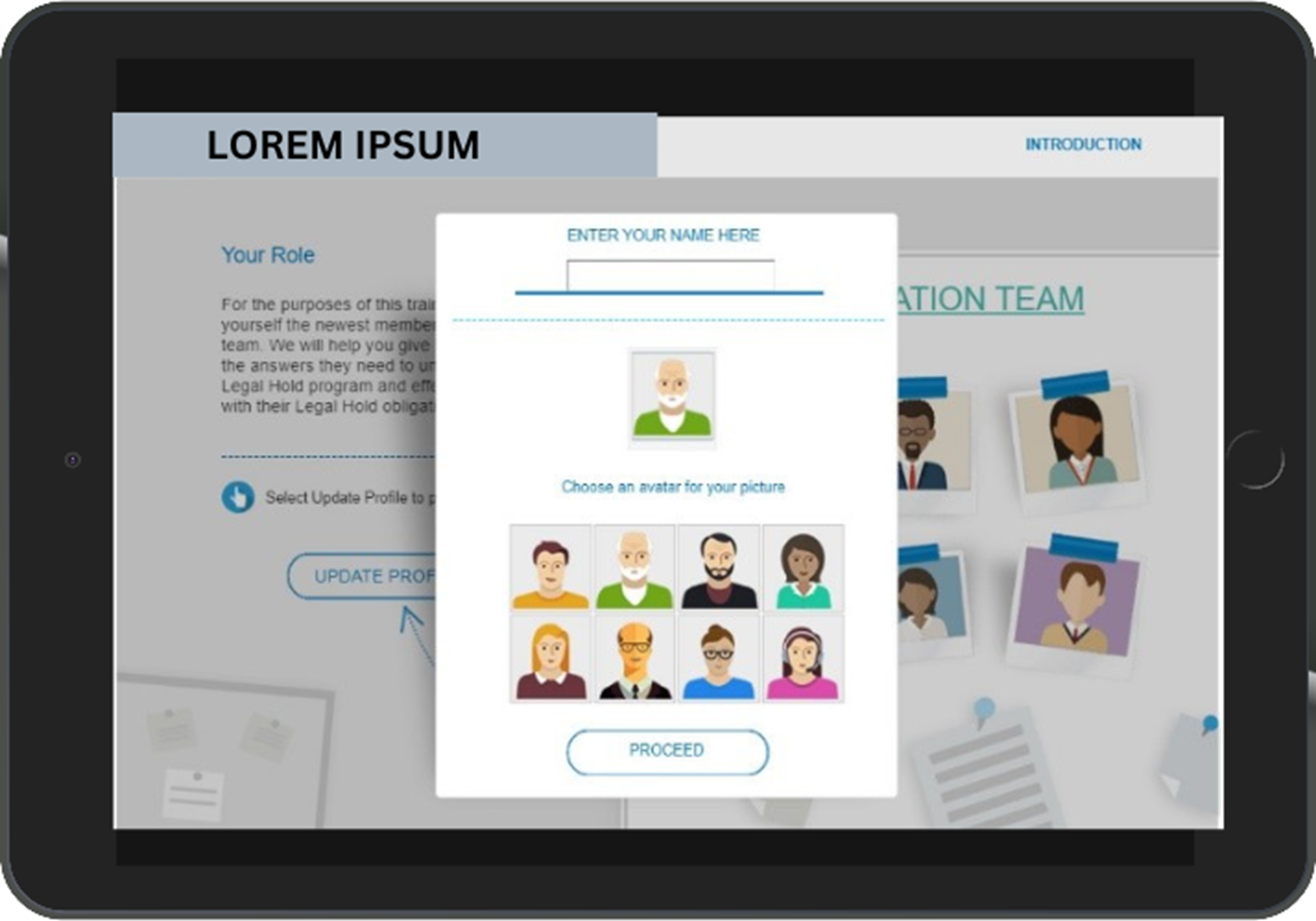
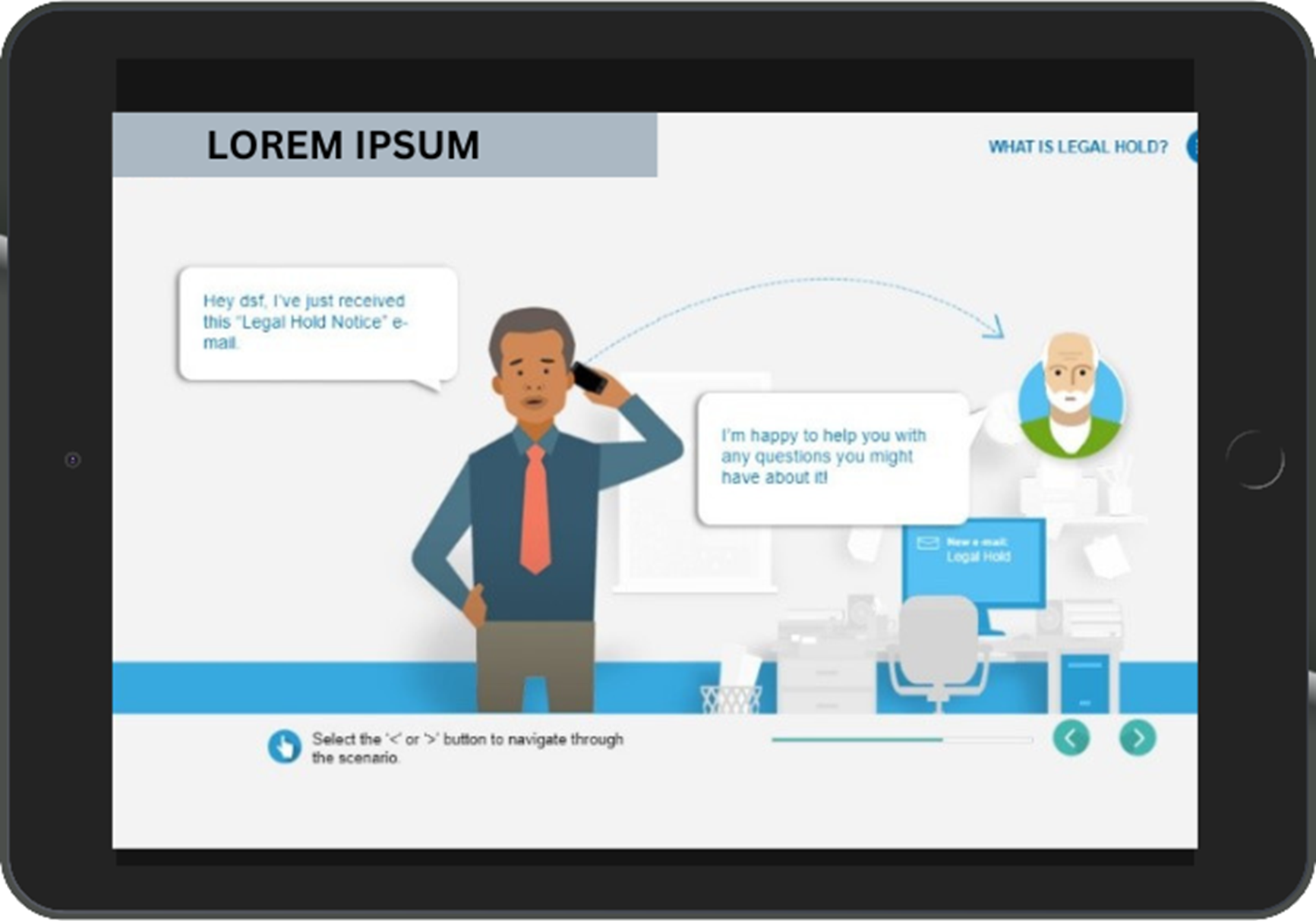
The Impact: The organization saw higher participation and completion rates as compared to previous trainings. The training surveys also indicated high satisfaction with the course design.
- Diverse Learning Formats:
- Provide a range of learning styles and approaches to accommodate unique learning preferences determined through surveys and assessments.
- Develop an online repository of learning resources, including microlearning modules, interactive videos, scenarios, and simulations, to boost engagement and motivation.
- Adaptability and Autonomy:
- Adopt a pull-based strategy where employees choose learning materials and resources based on their requirements and interests.
- Integrate AI recommendations into an online learning platform to promote autonomy and empower learners to take control of their learning journey.
- Facilitative Virtual Learning Environment:
- Introduce expert facilitators to provide support and guidance during virtual learning sessions.
- Encourage human interaction by holding live Q&A sessions, promoting collaboration and engagement among learners in a virtual setting.
- Rewards and Recognition:
- A point-based system strengthens employee motivation and training outcomes.
- Recognize employee accomplishments and share success stories to demonstrate the practical benefits and impact of learning initiatives.
How Does Gamification Motivate Employees in Training?
Gamification is a proven strategy for enhancing employee motivation and training by adding interactive elements like points, badges, leaderboards, and challenges into training. These mechanics tap into intrinsic motivators such as achievement, competition, and recognition, which drive employees to actively participate and perform better. When employees see their progress visualized through scores or achievements, they are more likely to stay committed and complete training programs.
Beyond rewards, gamification also creates a sense of fun and curiosity that transforms mandatory training into a more enjoyable experience. By simulating real-world scenarios through game-based challenges, learners can practice decision-making in a safe environment. This approach not only boosts motivation but also enhances knowledge retention and skill application, making training both impactful and sustainable.
To see this in action, let’s look at a case study that shows how gamified rewards directly improved employee motivation and training outcomes.
Driving Performance Excellence and Motivation through Gamified Rewards and Recognition
The Background: A global IT leader needed a creative solution to motivate its call center employees to meet their KPIs.
Our Solution: We developed a web-based portal with KPI-based gamification. Game mechanics (such as dashboards and leaderboards) and specific highlights for achievements (such as badges, trophies, comparison meters and so on) were included. Rewards and recognition and social learning elements were the key highlights.
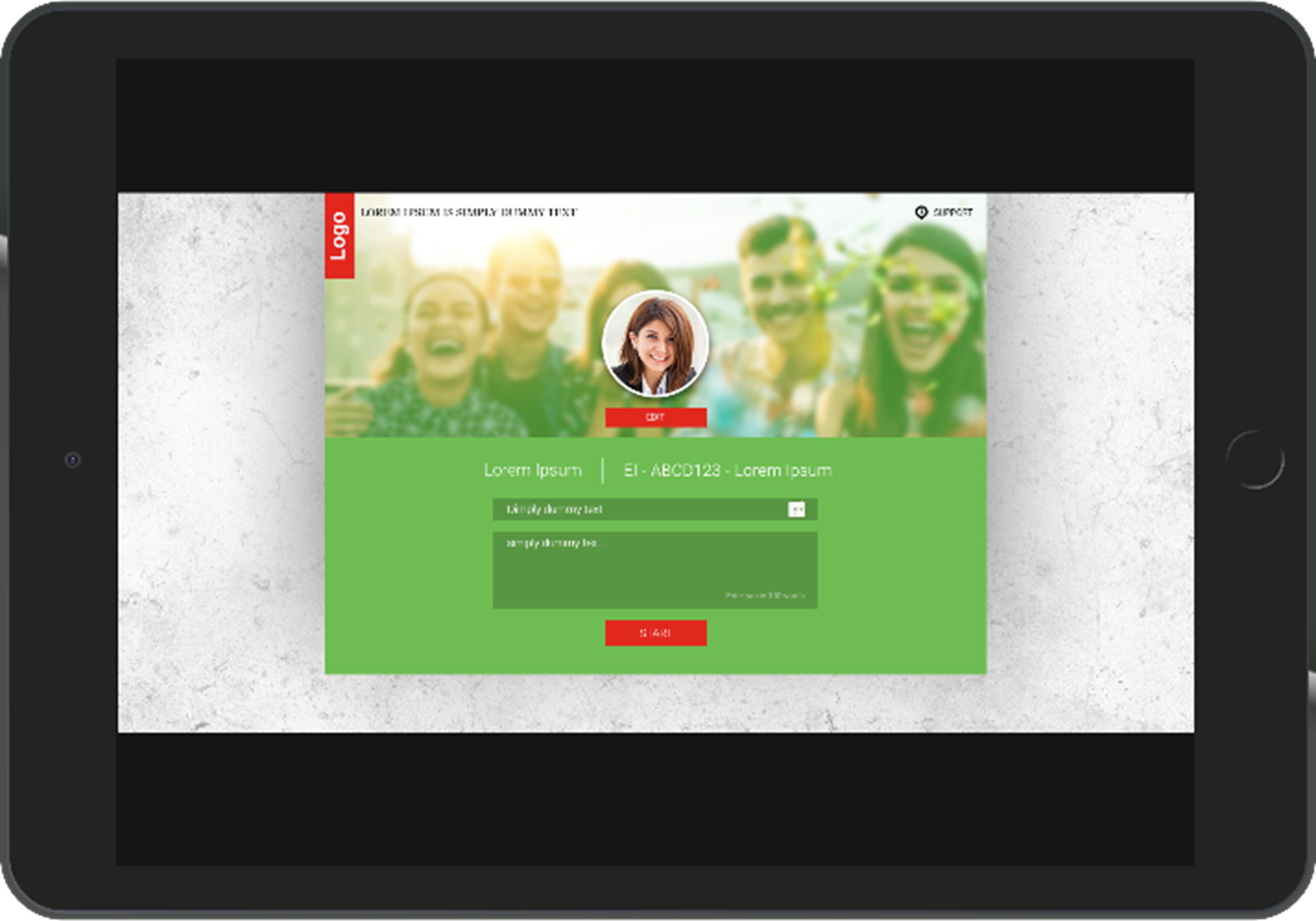
The Impact: The management observed high engagement, showing how gamified rewards strengthened employee motivation and training outcomes.
Now, let’s delve deeper into these strategies and explore how they can effectively motivate employees to actively participate in trainings, driving organizational growth and success.
How Can You Motivate Employees to Attend Training?
So, how can you strengthen employee motivation and training to ensure participation? The average employee doesn’t embrace learning opportunities “just because they’re accessible at work.” Instead, based on studies conducted, there’s statistical evidence (Udemy Academy survey) that ties employee performance and motivation to learn to four distinct factors, including:
- Their desire to grow (45%).
- Their need to play catch-up (31%).
- The influence of external factors beyond their control (8%).
- A continuous thirst for learning (6%).
So, how can you motivate employees to attend training?
Getting employees to show up for training sessions calls for a strategic approach that aligns with emerging trends in the L&D sector. Here are our recommendations on how you can effectively engage your workforce:
- Understanding Employee Motivation for Learning:
- Emphasize the significance of emotional intelligence in essential learning, matching training content to personal growth and career advancement opportunities.
- Utilize innovative technologies for personalized learning experiences based on individual preferences and career aspirations.
- Building a Learning and Performance Ecosystem:
- Recognize the limitations of offering a stand-alone approach to training, which often fails to sustain employee motivation for learning.
- Build a Learning and Performance Ecosystem, a framework that fosters a culture of continuous learning and growth, promoting engagement and skill application.
- This ecosystem sustains employee motivation and training beyond one-off sessions.
- Creating Engaging Learning Content:
- Leverage immersive learning technologies such as VR and AR to make training interactive and memorable, simulating real-world scenarios.
- Integrate job aids and AI-driven content to provide personalized learning experiences, optimizing engagement and effectiveness for individual learners.
- Leveraging Social Learning:
- Encourage peer-to-peer learning and knowledge sharing through social learning platforms.
- Foster a collaborative environment where employees can learn from the experiences and expertise of their cohorts.
- Integrating Job Aids and Performance Support Tools (PSTs):
- Supplement on-the-job performance support tools to drive learning and facilitate its application in real-world scenarios.
- Leverage AI-driven content creation to deliver personalized job aids and support tools tailored to individual learning needs.
- Offering Personalized Learning Paths:
- Align trainings with employees’ career goals and skill development needs.
- Analyze learner performance by utilizing AI-driven algorithms to deliver unique learning experiences.
- Preparing for the Future of Work:
- Empower employees for continuous upskilling and reskilling to adapt to evolving job roles and global transformation.
- Cultivate a culture of innovation and adaptability by adopting modernized learning technology stacks, DEI, and AI-driven content creation to meet future workplace demands.
By aligning training initiatives with these trends and leveraging advanced technologies, organizations can create a culture of continuous learning, adaptability, and innovation, ultimately driving long-term success in a rapidly changing business landscape.
Parting Thoughts
Fostering employee motivation and training is key to organizational success. By understanding individual motivators, adopting diverse approaches to motivation, and implementing effective L&D initiatives, organizations can cultivate a high-performing workforce qualified to thrive in today’s dynamic work environment.
Long-term investment in employee motivation and training not only drives growth but also builds a resilient workforce ready for the future. The strategies discussed here demonstrate how you can proactively motivate and inspire your employees to attend trainings.
Frequently Asked Questions (FAQs)
- What motivates employees to attend training?
Link training to career goals, keep it engaging, offer flexibility, and provide recognition or incentives. - What is a Learner Needs Analysis (LNA)?
An LNA identifies employees’ skills gaps and preferences to ensure training is relevant and effective. - How does gamification motivate employees?
By adding points, badges, leaderboards, and challenges, gamification makes learning fun, competitive, and rewarding. - What is a Learning and Performance Ecosystem?
It’s a framework combining formal training, job aids, coaching, and social learning to drive continuous growth. - How do personalized learning paths help?
They tailor training to each learner’s goals and style, making it more relevant and motivating. - Why is employee motivation and training important for business success?
Because motivated employees apply training more effectively, leading to higher productivity, innovation, and long-term organizational growth.

subscribing!
Related articles


.jpg)
.jpg)






.jpg)
