



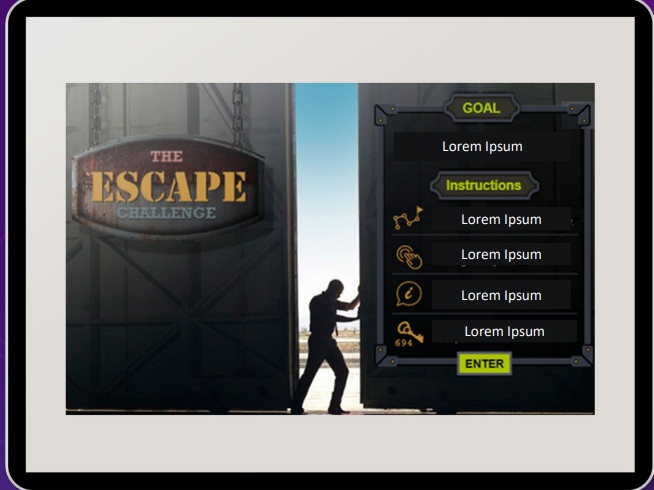

.avif)

A Conflict-of-Interest Training Program that Triggered Behavioral Change


Conflict-of-interest training usually teaches people that conflicts are bad. It is an understandable message and it produces a predictable result. Employees learn that having a conflict means having done something wrong, so when one arises they keep quiet about it, and the organization loses sight of exactly the situations it most needed to know about.
This case study covers how a market leader rebuilt its conflict-of-interest program on the opposite premise, and what happened to disclosure rates once it did. The work won two Brandon Hall Group Gold awards, for Best Advance in Custom Content and Best Advance in Complianace.
The background
The organization was struggling to design a best practice conflict-of-interest program that would noticeably change employee behavior. The existing training was only partially effective, and a compliance program that does not work has a cost beyond the compliance itself. It erodes the belief inside the business that the organization actually behaves ethically.
What the client asked for was unusual. They wanted training built from their own data and their own cases of misconduct, turned into experiential learning. The broader goal went further still: not only to understand how people behave in conflicting situations, but to see where interventions would be needed before problems arose.
The design problem
Compliance training is generally designed to produce a record. Everyone completes it, the completion is logged, and the organization can show it trained its people. That design goal is quietly at odds with the behavioral one, because the fastest route to a completion record is content nobody has to think about.
Conflicts of interest make this worse than most subjects. They are ambiguous by nature. Whether a situation is a problem usually depends on circumstances, relationships, and disclosure, none of which resolve into a rule a learner can memorize. A true or false question about a conflict teaches almost nothing about recognizing one.
And there was the disclosure problem underneath it all. If training frames conflicts as misconduct, it discourages exactly the reporting the policy depends on.
How our team approached the solution
An advisory tone rather than a cautionary one
Our team set out to build something advisory in nature, transparent enough that learners would share their own experiences, and human-centric throughout. That framing is the foundation of everything else here. A program that advises rather than warns can afford to be honest about ambiguity, and a learner who does not feel accused is far more likely to tell you something useful.
Real cases from the organization’s own records
Relevant real-life case studies were analyzed and extracted from the client’s own data, then shared through simple principles so learners could move quickly into practice. Using the organization’s actual cases does two things a hypothetical cannot. It shows employees that these situations happen here rather than in a textbook, and it keeps the training anchored to the conflicts this business genuinely encounters.
Several options per situation, with diagnostic feedback
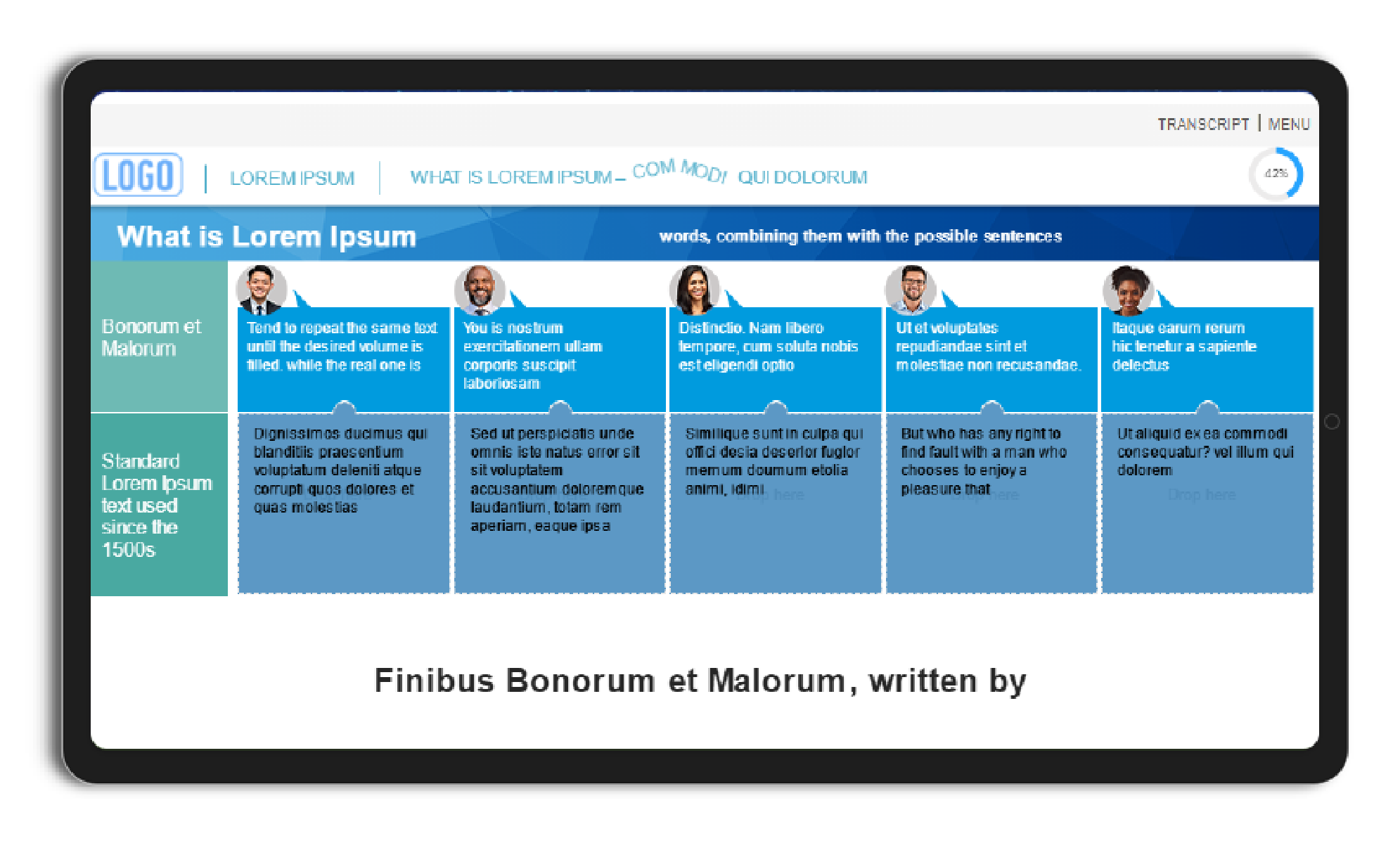
The part our team considered the highlight of the design was giving learners several options for each conflicting situation to explore, with diagnostic feedback explaining the implications of each. Not one right answer and three wrong ones, but a set of possible responses a learner can work through and understand the consequences of.
This matches how conflicts actually present themselves. The question facing an employee is rarely whether something is permitted. It is which of several defensible responses is the right one here, and a design that lets them try each and see where it leads teaches that judgment in a way a quiz cannot.
Disclosure built into the learning itself
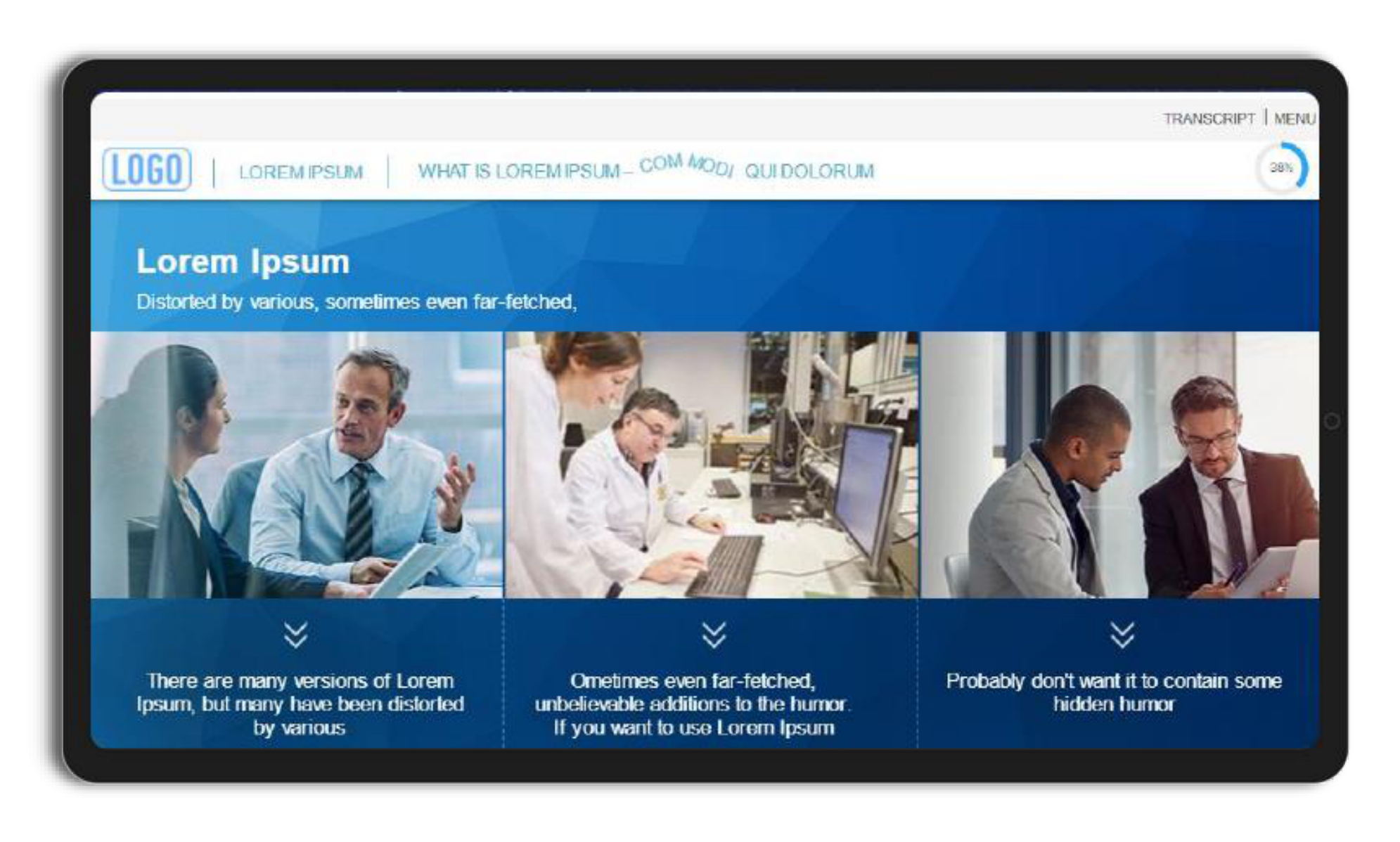
The design allowed learners to declare and disclose events of conflict and misconduct inside the program, which in turn let the organization identify the areas it needed to focus on. This is the piece that answers the client’s broader objective about predicting where intervention would be needed. The training stopped being only a delivery mechanism and became a listening one.
Social learning, delivered on mobile
Social learning features supported the transparency the program was built around, letting learners see and share experiences rather than working through the material in isolation. Delivery ran as mobile learning through the LMS and LXP.
The impact
- Learners were positively surprised by the company position that conflicts of interest are normal and acceptable.
- In post-training surveys, learners reported being able to apply the concepts in conflicting situations in real life.
- The organization recorded 22 percent more completions and disclosures than the previous training.
That last figure is doing two different jobs at once and both matter. More completions says the program was better to take. More disclosures says employees became willing to raise things they would previously have kept to themselves, which is the behavioral change the whole project was commissioned to produce.
What this case study shows
The decisive move here was a message, not a mechanism. Telling employees that conflicts of interest are normal sounds like a weakening of the policy and is the opposite. It removes the incentive to hide them, and a disclosed conflict is a managed one while a concealed conflict is the thing the policy exists to prevent.
It also shows what compliance training can be when it is allowed to collect as well as deliver. Building disclosure into the program turned a mandatory annual exercise into a source of intelligence about where risk actually sits in the business, which is worth considerably more than a completion report.
If your compliance training produces completions without changing what people do, Liberate can help you design a program that earns honest answers.

subscribing!
Related Case Studies