




.avif)

Creating Impactful Compliance Training Using Varied Learning Strategies


Compliance training occupies an odd position in most organizations. It is legally required, heavily funded, and widely disliked. Employees treat it as an interruption to their work rather than part of it, and the reputation is largely earned, because a great deal of compliance content really is static and dull.
A global healthcare organization asked our team to build nine compliance modules for its new hires, with that reputation as the explicit starting point for the design.
The Challenge
Compliance training is a form of industry-specific new hire training mandated by legislation or by regulatory bodies, intended to familiarize new employees with the laws and regulations that govern an organization. Its purpose is to reduce risk, protect workplace safety, and improve the working environment.
The difficulty is the gap between how much organizations invest in it and how little regard employees have for it. Compliance training is widely perceived as static and boring, and treated as an additional burden on top of the actual job. Given that stigma, keeping learners engaged across all nine modules became the central design problem rather than a secondary consideration.
In healthcare the stakes make this worse rather than better. The regulations govern patient safety and data handling, so a new hire who clicks through the modules carries real risk into their first week on the floor.
How the Solution Was Built
Our primary focus was to deliver an immersive learning experience that held learners across the full program without becoming didactic. That word matters. Compliance content invites a lecturing tone, since the material is not open to negotiation, and a lecturing tone is precisely what makes employees disengage from it.
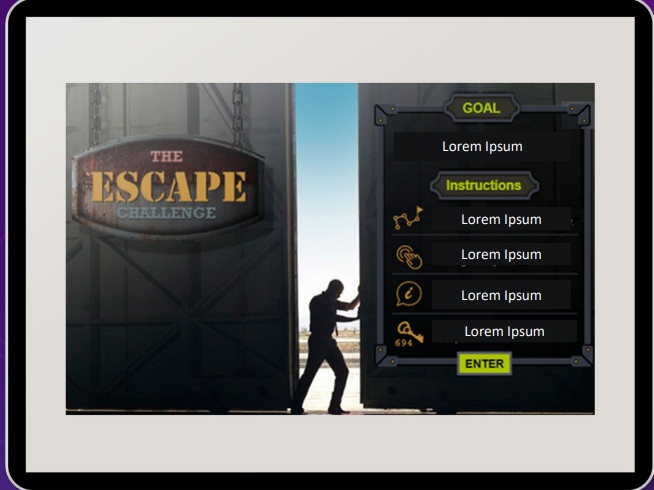
Scenarios drawn from actual situations
We partnered with the client subject matter experts to build relevant scenarios around real situations, examples, and activities. Working from cases the experts recognized is what allowed the modules to show learners where a regulation applies rather than simply stating what it says, which is the difference between a rule someone can recite and one they can act on.
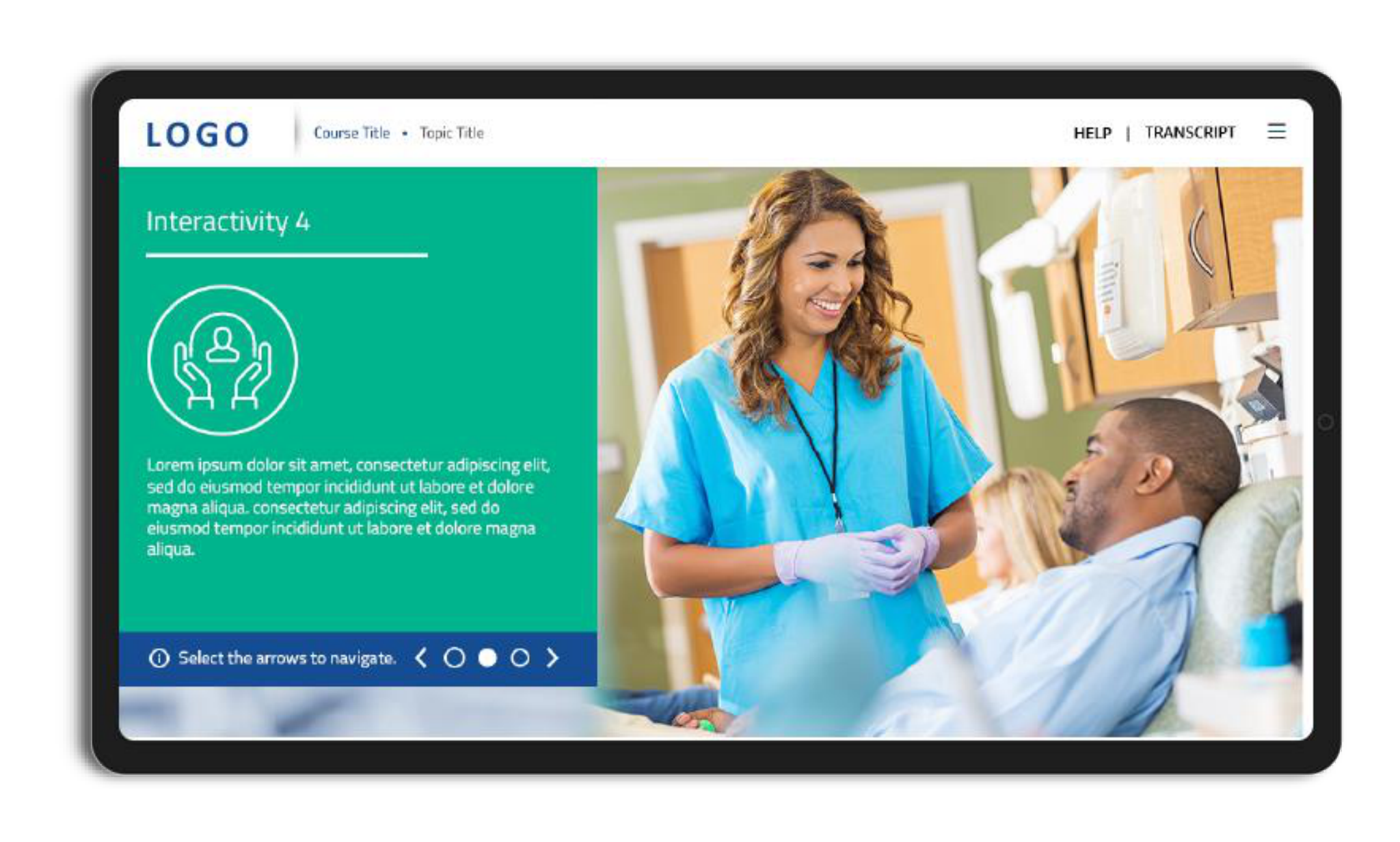
Video carrying the messages that matter
Video was used deliberately rather than decoratively, to hold attention and to carry the messages that most needed to land. Across nine modules, varying the format is also what prevents the fatigue that sets in when every unit looks identical to the one before it.
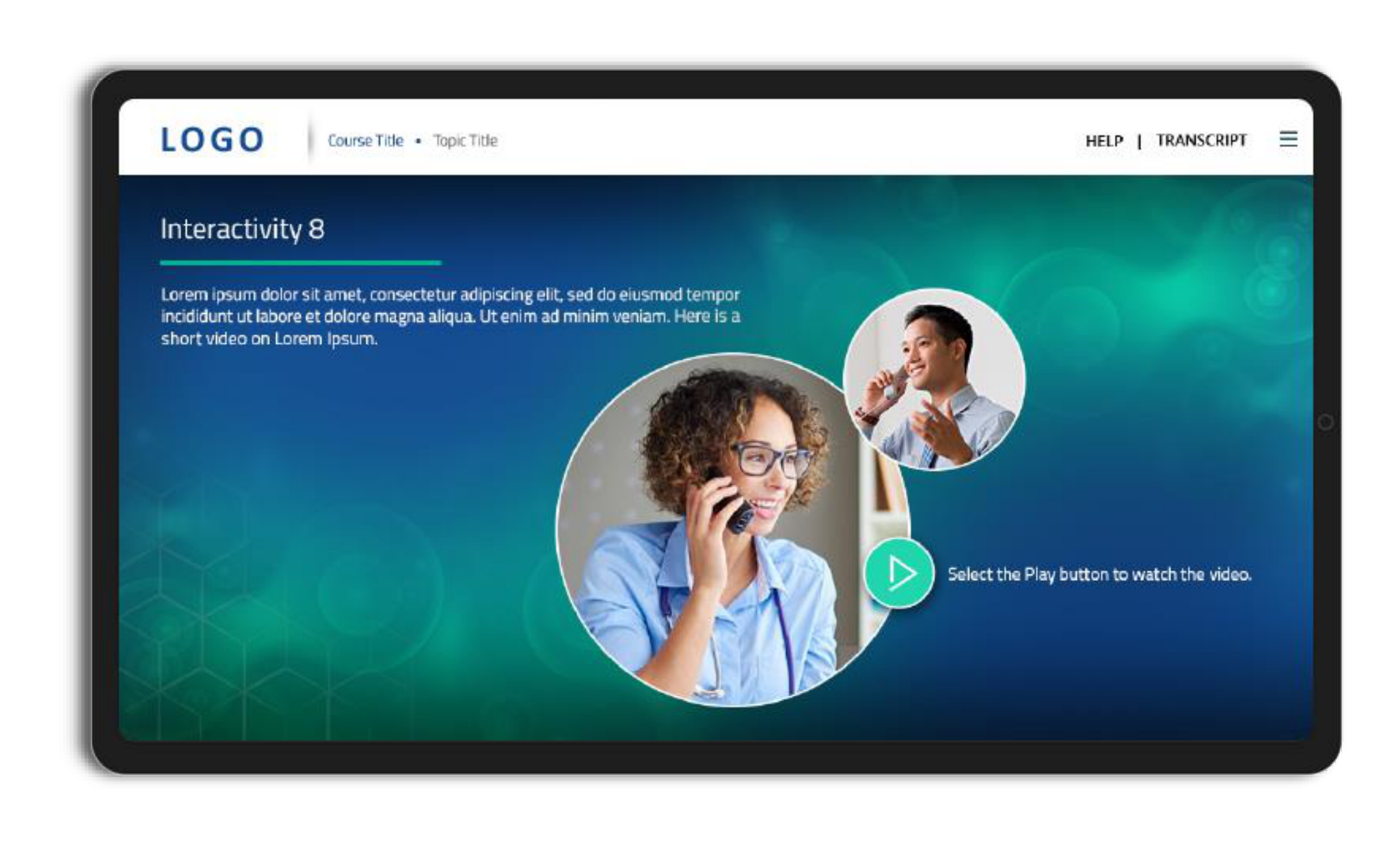
Support material that outlasts the modules
Tips, best practices, downloadable job aids, and additional reading material were built in as an integral part of the training rather than appended to it. Compliance knowledge is needed at unpredictable moments long after onboarding is finished, and a job aid someone can consult at that point does more for conformance than any amount of recall from a module completed months earlier.
Visual design and animation doing real work
Compelling visual design and rich animation run throughout the program. On compliance material this is not surface polish. Employees read production values as a signal of how seriously the organization takes the subject, and a program that looks neglected tells them the content can be treated the same way.
The Strategies Behind the Design
Six strategies power the solution.
- Interactive Learning
- Learning Journey
- Story Based Learning
- Activity Based Learning
- Video Based Learning
- Animations
Alongside these, the modules use scenario-based learning and performance support tools, delivered as mobile learning and microlearning through the client LMS.
The Impact
Learners found the training extremely engaging, and the reason they gave was that it let them explore and practice the material in real time rather than read about it. For compliance content, being described as engaging by the people required to take it is a result worth noting on its own.
Learners were also able to relate to the training, because real situations were used to meet the learning objectives rather than abstract statements of policy.
The organization then saw increased awareness of and conformance to the compliance aspects covered in the modules. Conformance is the outcome the investment exists to produce, and it is the measure that separates a program employees completed from one that changed what they do.
Build Compliance Training Employees Do Not Resent
Compliance training carries a reputation that most compliance training deserves, and designing against that reputation has to be the starting point rather than an afterthought. This program worked by building scenarios from situations the experts recognized, varying the format across nine modules, and leaving new hires with support material they could still use months later. If you have mandatory training that needs to change conformance rather than record completions, Liberate can help you design it. Get in touch to talk it through.

subscribing!
Related Case Studies