






.avif)

Immersive Training in Action – Featuring 6 Examples of Immersive Learning in the Workplace


As hybrid work becomes the norm, organizations need training that is scalable, engaging, and effective. Immersive learning addresses this by using technologies like Virtual Reality (VR), Augmented Reality (AR), Mixed Reality (MR), and AI simulations to create interactive environments where employees can practice real-world scenarios. This article explores immersive training examples that support engagement and knowledge transfer in hybrid workplaces.
What Is Immersive Training?
Immersive training refers to learning experiences that place the learner in highly engaging, simulated environments using technologies like Virtual Reality (VR), Augmented Reality (AR), Mixed Reality (MR), or AI-powered simulations. Unlike traditional training, it replicates real-world conditions and decision-making scenarios, providing a safe space to practice skills, explore consequences, and build confidence before facing actual situations.
The Value of Immersive Learning
Immersive learning is not just a technological upgrade—it’s a mindset shift. By simulating high-stakes or complex situations in safe virtual spaces, learners can make decisions, fail, reflect, and improve without real-world consequences. This approach supports:
- Higher knowledge retention through experiential learning
- Faster skill development in realistic, hands-on environments
- Stronger emotional engagement for lasting behavioral change
- Safe failure zones for mastering high-risk or sensitive situations
What Are the Benefits of Immersive Learning?
In addition to engagement and retention, immersive learning offers:
- Risk-free environments to practice complex or dangerous procedures
- Scalable and repeatable training modules that ensure consistency
- Improved emotional connection to learning through simulation and storytelling
- Increased accessibility for remote and hybrid workforces
- Higher ROI through faster proficiency and fewer on-the-job errors
What Are the Key Technologies Powering Immersive Learning?
Immersive Learning leverages advanced technologies to simulate real-world environments, enabling learners to experience, practice, and adapt in safe, controlled settings. The core technologies driving immersive learning include:
- Virtual Reality (VR): Enables fully immersive experiences that replicate real-world environments for training without physical risks.
- Augmented Reality (AR): Enhances real-world environments by overlaying digital elements to support context-aware learning.
- Mixed Reality (MR): Integrates real and virtual environments, enabling users to engage with physical and digital elements at the same time.
- Simulations and Scenario-Based Learning: Offers interactive, role-play–driven learning experiences to improve problem-solving and decision-making skills.
- Artificial Intelligence (AI): Powers adaptive learning paths, real-time feedback, and intelligent avatars for coaching and assessment.
- 360-Degree Videos: Deliver panoramic visualizations for situational training in complex, high-stakes scenarios.
Why Is Immersive Learning Important for Learner Engagement in the Modern Hybrid Workplace?
Hybrid work, where employees don’t work out of their traditional worksites, has fueled broad-ranging distraction and disengagement within the workplace. L&D teams are, therefore, in a quandary – How do they continue training and developing a very distributed workforce? And how do they ensure the inherent distractions and disconnects of hybrid working don’t impede learning initiatives?
The solution: Learn from successful Immersive Learning examples to build engaging learning solutions that foster greater engagement.
What Is Work Immersion Training?
Work immersion training refers to real-world exposure or simulated experiences that allow learners to apply their knowledge in actual workplace settings. It is particularly useful for students or early-career professionals, helping bridge academic learning with real-life application through internships, simulations, or job shadowing.
Use Cases of Immersive Learning by Industry Type:
Hybrid work has become pervasive across a broad segment of businesses. From healthcare and retail to aerospace and government, they’re all dealing with the challenges of hybrid workforces, especially in the context of driving engagement through learning. The business world, however, is filled with Immersive Learning examples across a diverse range of industries, namely:
- Healthcare:Serious healthcare situations are dangerous and complex to replicate or iterate in traditional learning environments. However, because learning outcomes can directly impact human life, L&D teams need to ensure they have the most engaging learning environment in place. Immersive training creates safe environments to practice use cases so staff can perfect their skills.
- Airlines, Aviation, and Aerospace (AAA):Not only is the world of AAA complex and highly integrated, but implications, such as operations delay and staffing challenges, also cause serious legal and financial difficulties for the industry. Some situations, such as catastrophic accidents or equipment failure, can pose a serious threat to human life. Immersive Learning can address those concerns by fostering high levels of engagement by providing safe practice zones for critical operational procedures.
- Automotive sector:Supply chain issues, material shortages, lack of skilled staff, costly recalls – these are some issues that plague the automotive sector. The use of immersive training technology to train staff to address these issues more effectively can help alleviate some of them.
- Banking, Financial Services, and Insurance:As a highly regulated industry, Immersive Learning helps managers and staff in the business better understand how to comply with strict regulations, improve customer experiences, and propose the best products and services for their clients.
- Food and Beverage (F&B):From enhanced branding and customer product awareness to product marketing and loyalty, immersive education technologies can serve the F&B industry well.
- Information Technology and Computer Software:Immersive Learning offers a great use case to help train users on how to better use complex technology solutions. In addition to training technical staff on how to test the software under development, Immersive Learning can foster innovation in technologies and sophisticated technology platforms, help in the development of next-gen apps, and provide learners with hands-on visualization of 3D and simulated renditions of complex hardware architecture.
- Management Consulting and Advisory Services:Skill shortages, compliance, and globally dispersed workforces are challenges that Immersive Learning solutions address in this industry. Management consulting teams use Immersive Learning solutions to train their consultants on a wide range of topics, including needs analysis, gap identification, decision-making, issues resolution, ROI, and training effectiveness measurement.
- Retail and Consumer Goods:Post COVID, the industry is plagued with staffing shortages due to skilled employee migration (to other industries). The industry can use Immersive Learning to quickly reorient their workforces and to rapidly reskill and upskill employees to respond to this new post-pandemic world. Immersive Learning also helps deliver a better understanding of company brands. It can also train frontline staff to actively engage with customers to promote brand loyalty.
6 Examples of Immersive Learning by Training Type:
Because of its depth and diversity of application, Immersive Learning can be used to address various types of training needs. Showcased below are six Immersive Learning examples, by training need, from courses that EI has designed for its clients:
Immersive Learning Example #1 – Safety & Compliance Training
We designed this course to transform office safety and compliance training into an engaging, gamified experience for learners. Our strategy involved a time-bound game and considering the subject matter—security and compliance—we ensured all scenarios were relatable.
To further motivate learners and encourage completion of the learning journey, we incorporated badges and downloadable takeaways.
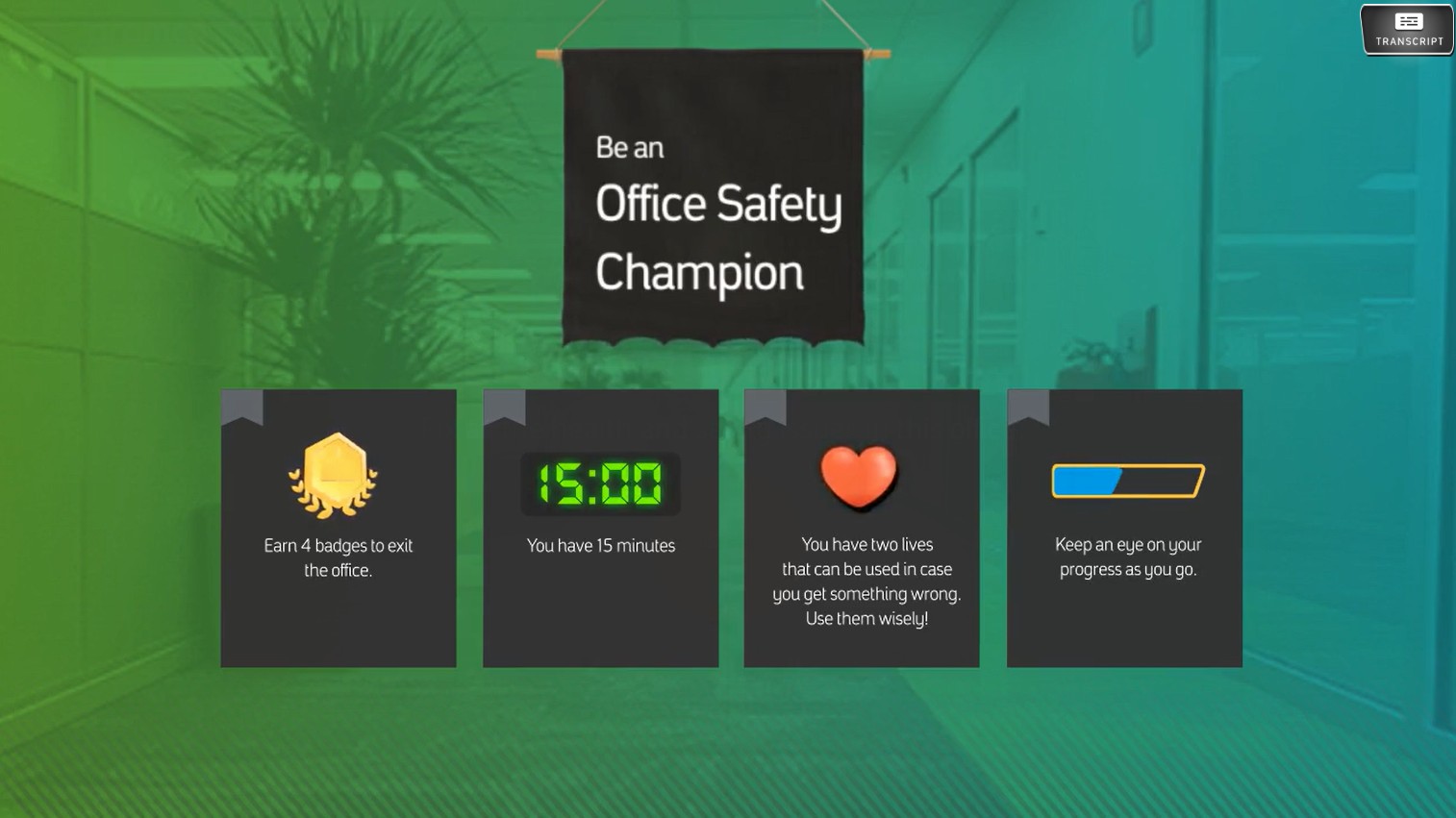

Impact: Enhanced engagement through gamified challenges and time-bound activities, fostering a sense of accomplishment with each successfully navigated safety and compliance scenario.
Immersive Learning Example #2 – Sales Training
One of our client's sales team, a mobile-first audience, needed compelling training on "negative reversing" – a nuanced sales technique. Traditional approaches risked low engagement and limited knowledge retention.
We tackled this by rapidly developing a dynamic mobile-first training experience that prioritized learner engagement. To make the concept truly immersive and captivating, we integrated cutting-edge AI:
- AI-generated videos: Providing visually rich and easily digestible explanations of complex scenarios.
- AI voiceover: Delivering a consistent and professional narration that enhances the learning flow on mobile devices.
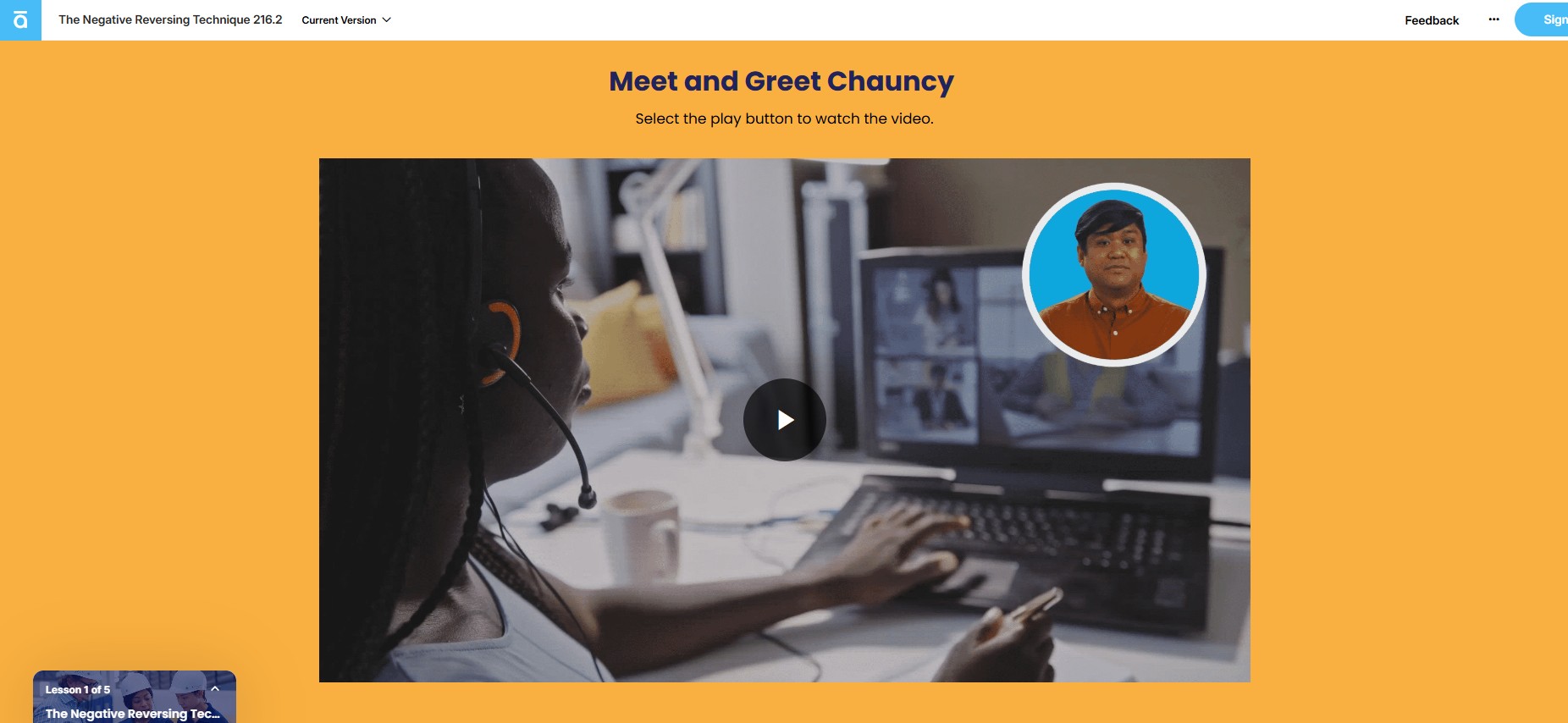
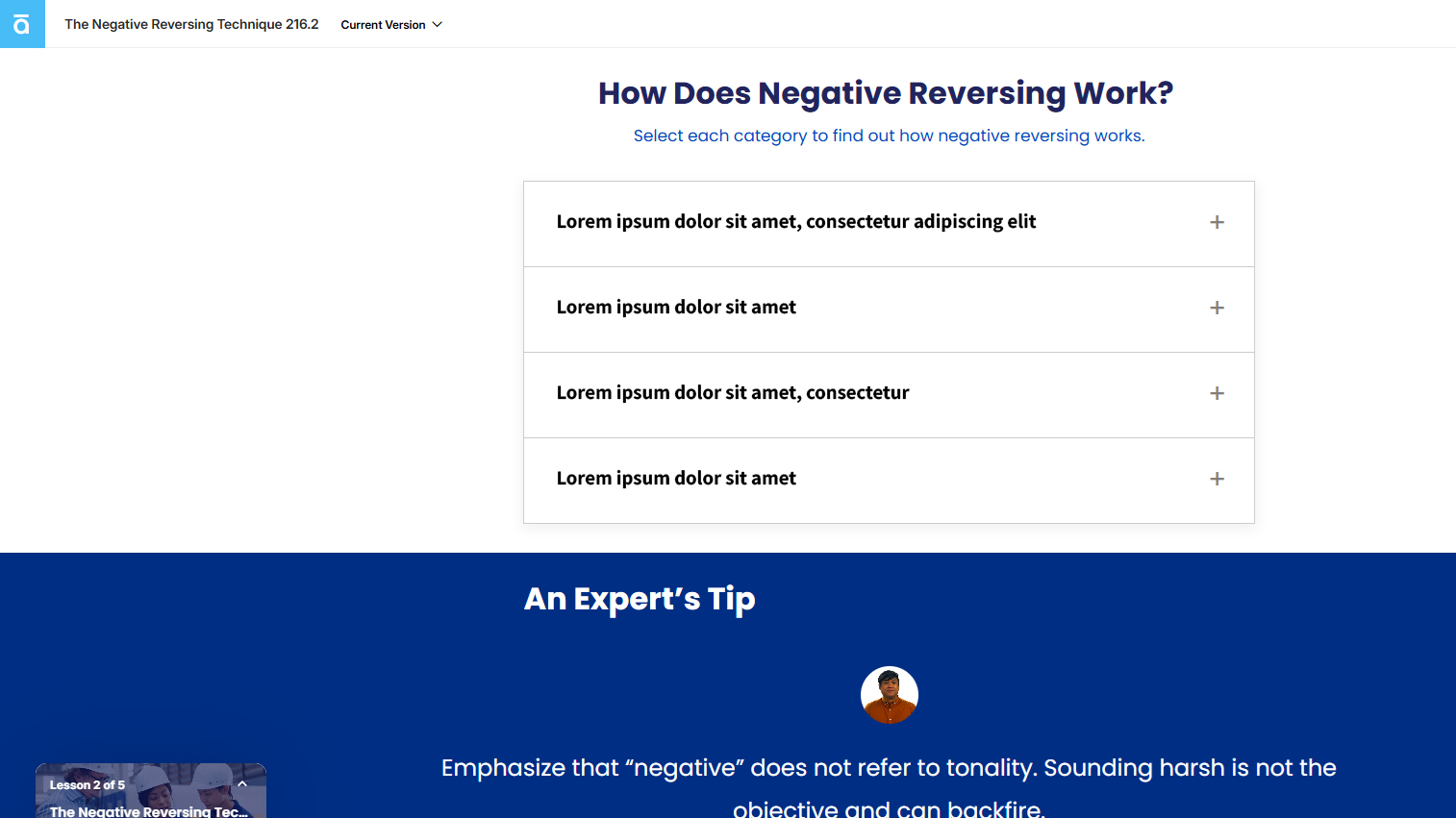
This innovative approach transformed a potentially dry topic into an engaging and accessible learning journey, tailored specifically for their on-the-go sales force.
Impact: Immersive AI-powered training delivered a captivating learning experience, maximizing engagement and accelerating mastery of a critical sales technique for mobile-first teams.
Immersive Learning Example #3 – Equipment Simulations
The requirement was to create a comprehensive, quick reference guide for equipment/machine operators on various machinery with a focus on how to handle/operate certain equipment and the do’s and don’ts to keep in mind while working with machinery. So, we created a new-age Mobile App that allows exploring different machine products, features, and benefits for just-in-time learning as an all-inclusive Performance Support Tool including 360-degree image experience. The App features:
- Personalized login to view the product catalog along with the option to explore details and an in-built search feature for ease of navigation.
- Complete product overview along with layered feature details to enable in-depth exploration using 360 images and video-based simulations to show processes and procedures.
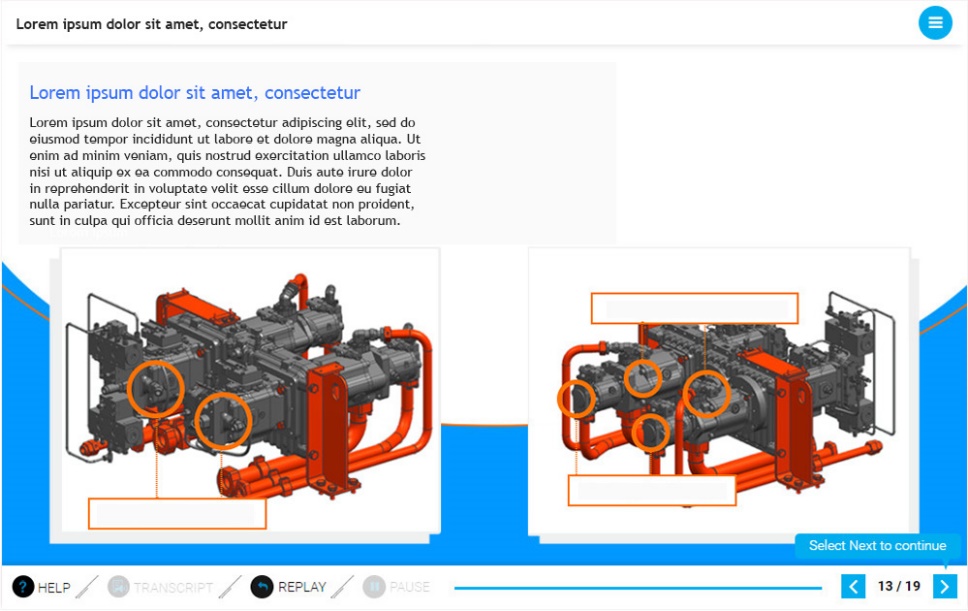
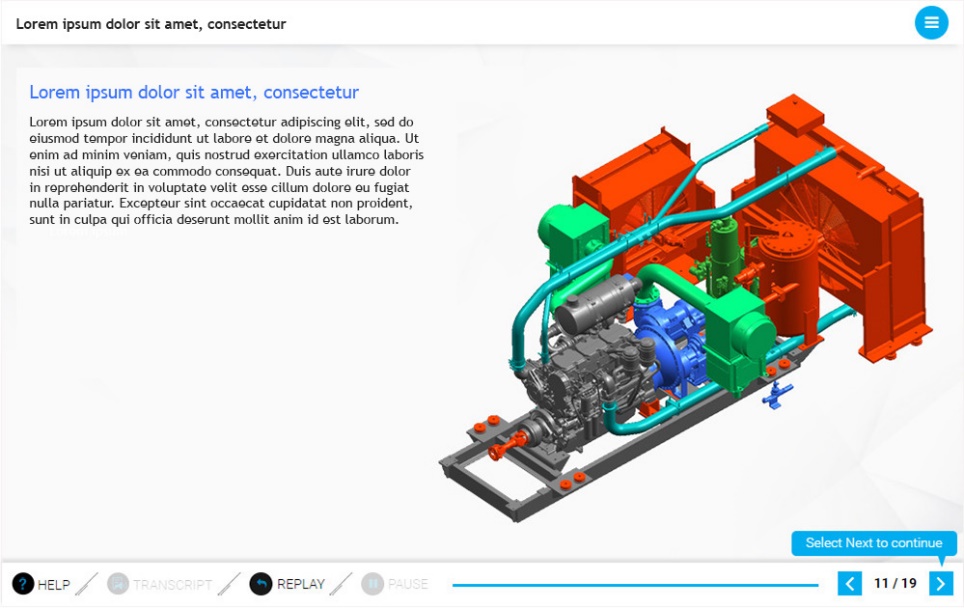
Impact: Increased product knowledge and overall awareness about specific equipment handling due to the in-depth ready reference. Immersive Learning Example #4 – Induction and Onboarding Training
One of our clients’ Capability Development team faced significant hurdles in efficiently onboarding new hires, lateral moves, and employees undergoing role changes. This strained resources and potentially impacted the new joiners' experience and time to productivity.
We addressed this by designing and implementing a comprehensive Onboarding Platform on SharePoint. The platform delivered a personalized onboarding experience by incorporating:
- Gamification elements: To drive engagement and motivation.
- Social Learning features: To foster connection and peer support.
- Tracking features: To monitor progress and identify areas for support.
- Scalable design: To accommodate future growth and evolving needs.
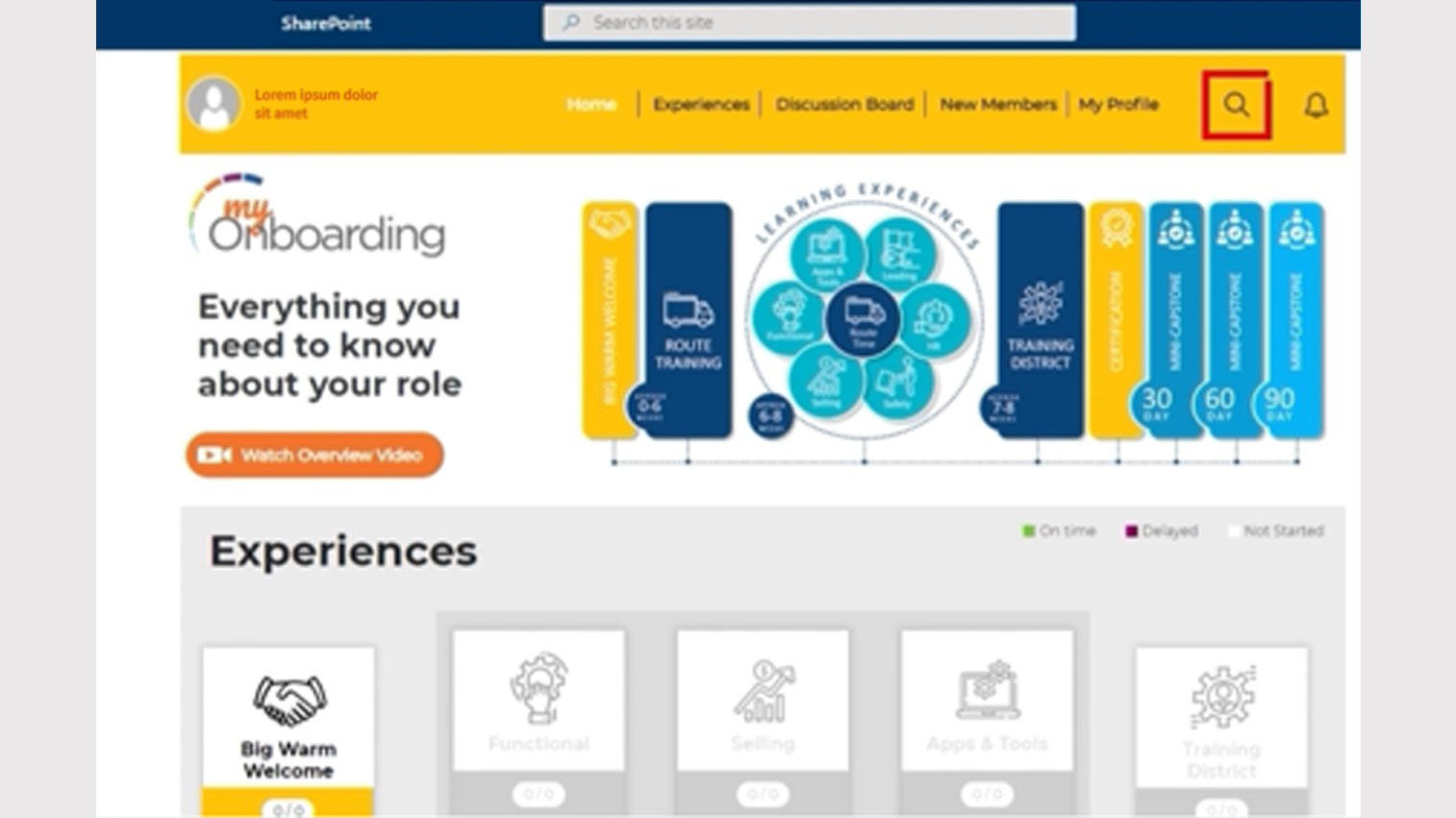
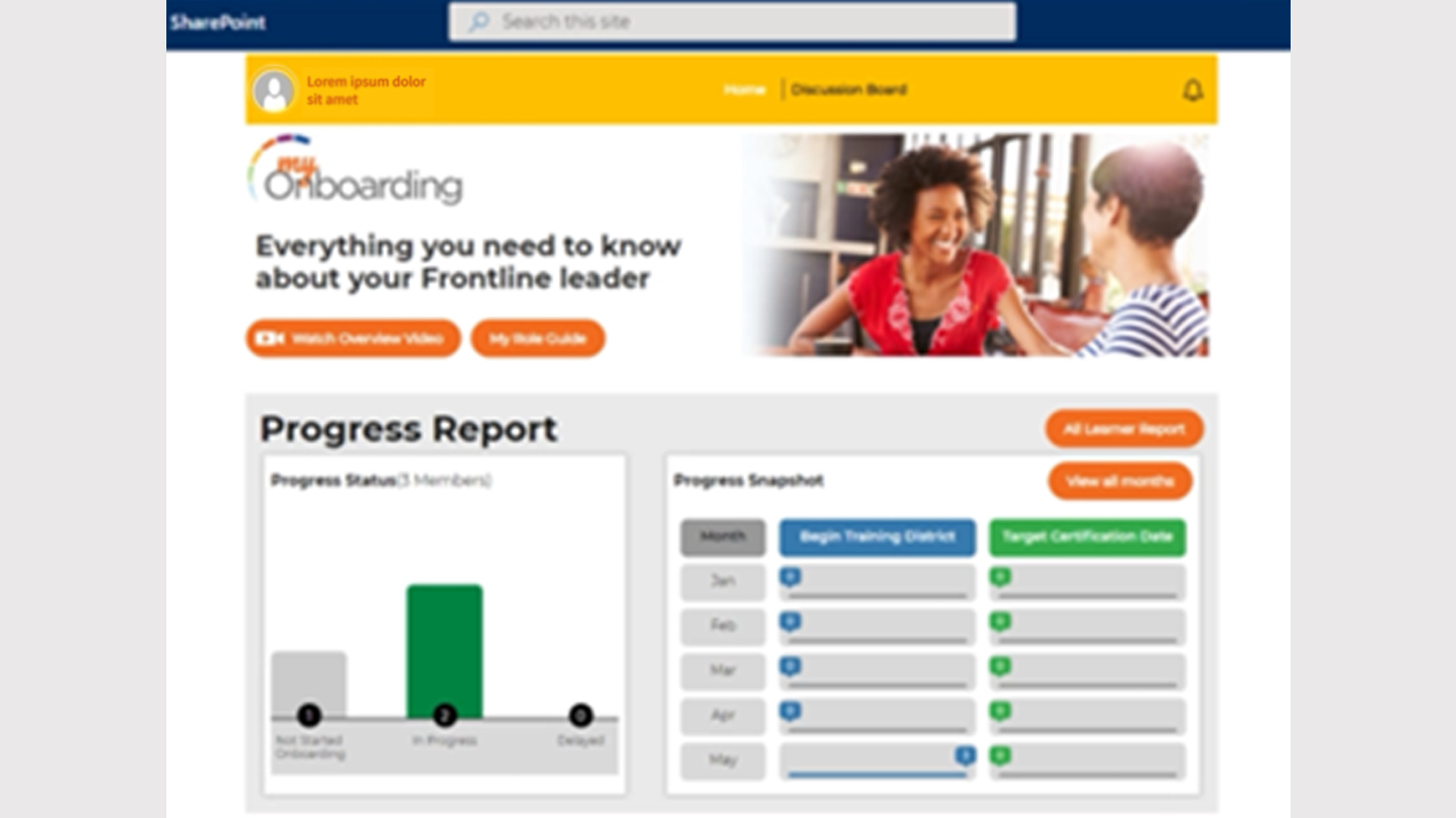
Impact: Streamlined onboarding, accelerating time-to-productivity and enhancing the new employee experience.
Immersive Learning Example #5 – Leadership Training
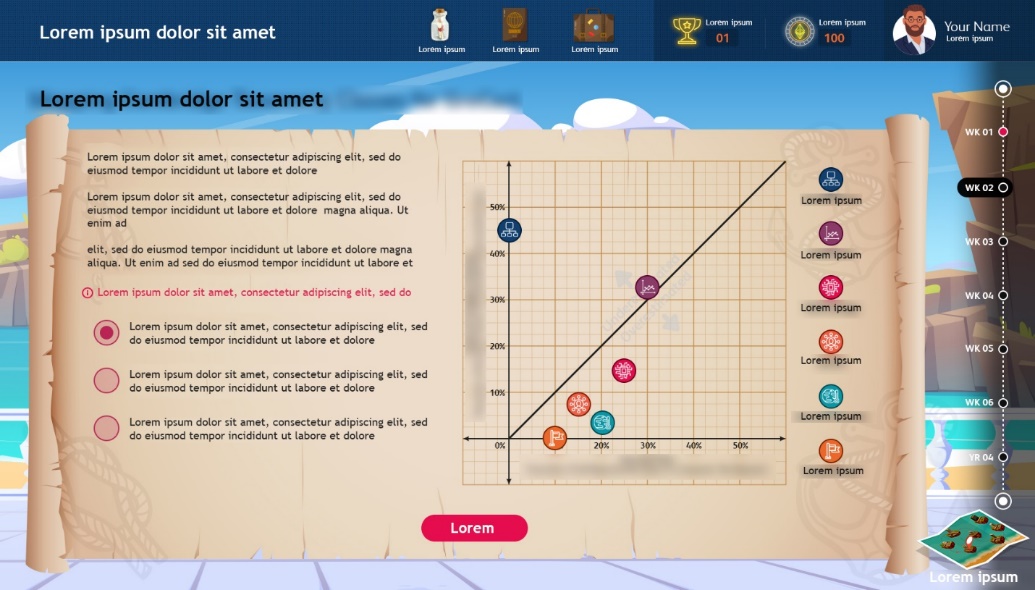
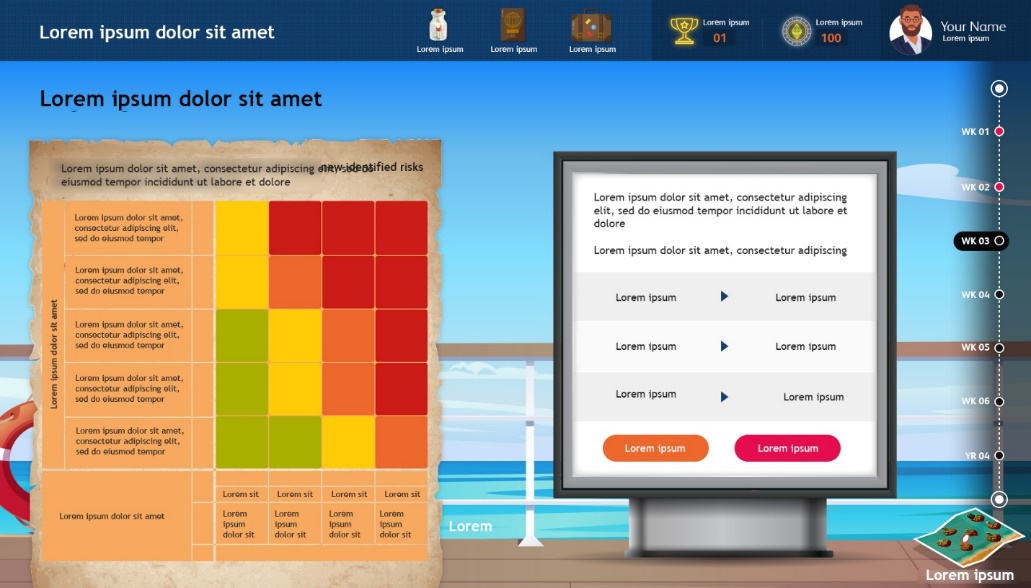
What our client needed was an experiential business simulation on risk management for different levels of managers, putting them in real-life situations and making choices that have implications for the eventual outcome of the action taken. Here’s what went into making that happen:
- Gamified branching scenarios – rendering a safe environment to practice decision-making while providing increased engagement and challenge.
Personalization provided through role selection and Performance Support Tools embedded into the simulation steps for just-in-time learning.
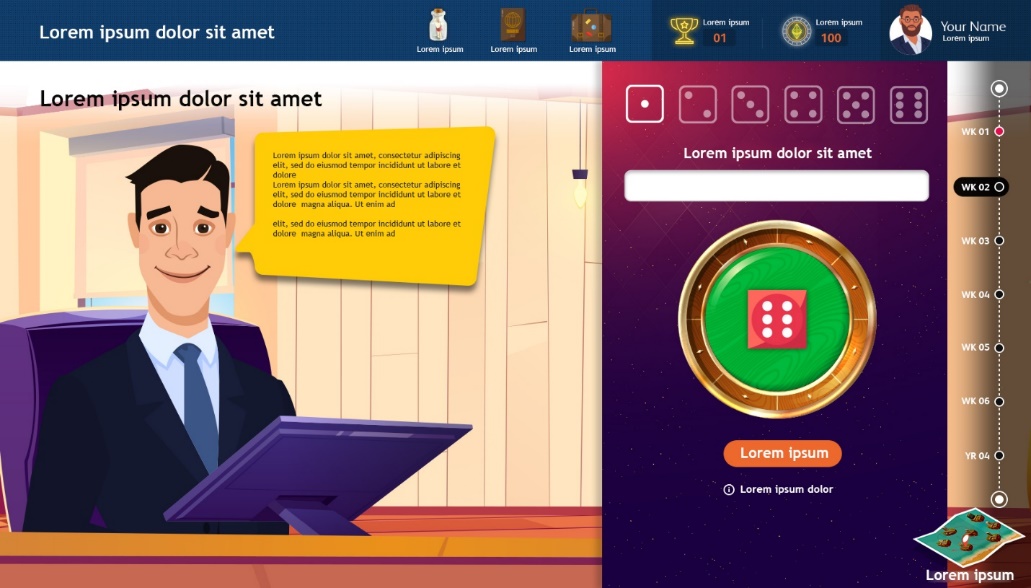
- Fact and data-based options to select from a risky decision-making perspective as in real-life scenarios.
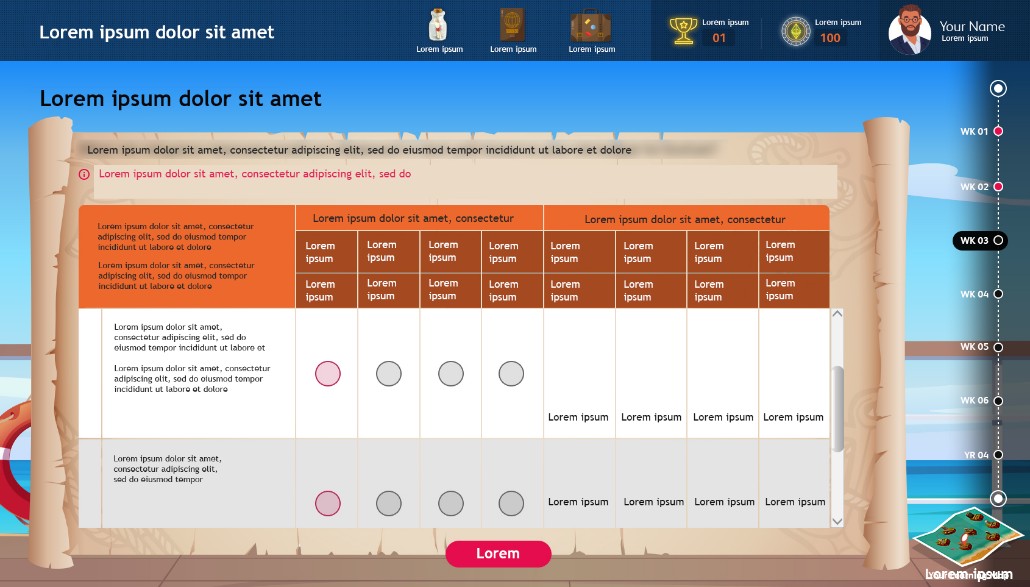
- Highly customized visual responses on charts and graphs to indicate user performance/impact of decisions.
- Complex simulation matrix, highlighted with practical impact and outcomes for the business.
Impact: Leaders found the overall learning process closely relatable and practical. The organization was able to witness enhanced risk management from managers with a positive impact on business results.
Immersive Learning Example #6 – Soft Skills Training
One of our clients sought a dynamic training solution for their customer-facing employees to master handling diverse customer queries and challenging situations effectively. To address this, we developed a web-based, interactive role-playing experience featuring AI avatars. This innovative approach incorporated:
- Adaptive branching scenarios: These provided learners with a range of realistic customer interactions, from routine inquiries to complex issues, enabling them to develop and practice their problem-solving and decision-making skills in a safe environment.
- Realistic interactions: AI avatars delivered responses mirroring genuine customer communication, allowing learners to become comfortable with the subtleties of customer service and practice active listening and empathetic responses.
- Personalized feedback: Based on their choices within the scenarios, learners received tailored feedback, highlighting areas for improvement and guiding them to refine their communication, de-escalation, and customer relationship management techniques.

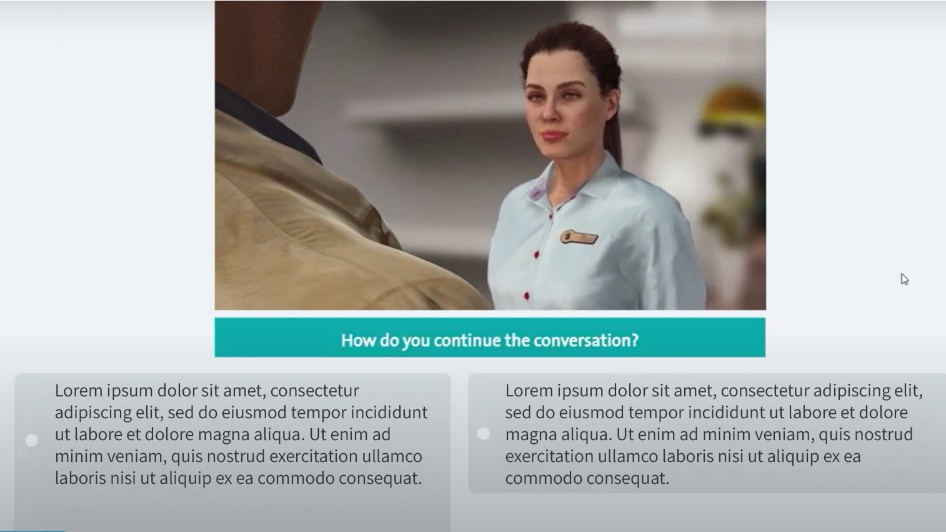
Impact: AI-powered roleplay training equipped customer-facing teams to confidently navigate diverse queries and challenging situations, fostering improved customer satisfaction and stronger relationships.
Parting Thoughts
While there are real benefits to implementing Immersive Learning strategies, there’s also a real downside to not embracing Immersive Learning. In healthcare services, for example, contagious situations don’t typically replicate themselves “on demand.” As a result, it’s challenging to model those situations – safely and repeatedly – so staff can practice extensively on them to hone their skills.
In this post, we’ve highlighted some compelling Immersive Learning examples where businesses from across a spectrum of industries have benefited from implementing Immersive Learning strategies. From increased engagement to higher retention, and from reduced training time to better knowledge transference in the workplace – Immersive Learning delivers all of these and more.

subscribing!
Related articles


.jpg)
.jpg)






.jpg)
