


.avif)

7 Examples of Scenario-Based Learning (SBL) for Both Formal and Informal Learning


Summary
Scenario-based learning helps learners practice decision-making in realistic situations, making training more engaging, memorable, and applicable on the job. This article shares seven practical examples of how organizations use scenario-based learning across formal and informal training to improve retention, critical thinking, and real-world performance.
Scenario-based learning (SBL) is used extensively as a learner strategy in online learning. This article presents 7 examples illustrating how scenario-based learning (SBL) can elevate both Formal and Informal Learning experiences.
What Is Scenario-Based Learning?
Scenario-based learning is an instructional strategy that utilizes real-life situations to improve learning comprehension and its practical application. By employing the principles of “active learning,” this approach offers learners an immersive and highly relevant experience that closely mirrors practical contexts.
This method not only heightens learner engagement by making scenarios relatable and relevant but also creates a safe, virtual space for learners to practice skills, make decisions, and understand the consequences of their actions. The immersive nature of scenario-based learning fosters deeper learning and better prepares learners for real-life challenges, making it a highly effective learning tool.
Benefits of Scenario-Based Learning
From an L&D Perspective:
- Real-life Situations Usage
Helps validate learning comprehension and application in practical scenarios.
- Facilitates Application of Learning
Ensures that the training translates effectively to on-the-job performance.
- Triggers Behavioral Change
Encourages adaptation of new practices and habits.
- Enhances Decision-Making Skills
Develops the ability to make informed decisions in complex situations.
- Boosts Critical Thinking
Encourages learners to analyze and evaluate scenarios critically.
From a Learner’s Perspective:
- Relatable Situations
Simulates real-life challenges, making the learning process more meaningful.
- Problem-Solving Environment
Encourages learners to navigate through challenges and find solutions.
- Decision-Making Tool
Demonstrates the consequences of choices, fostering responsible decision-making.
- Safe Practice Mode
Offers a risk-free environment to experiment and learn.
- Skill Proficiency
Aids in mastering new skills and improving existing ones.
How Do You Create Scenario-Based Learning Programs?
Leverage the scenario-based learning strategy effectively using a streamlined 5-step plan:
- Understand Your Audience
Assess the learner profile to tailor scenarios that are relevant and engaging.
- Define Learning Objectives and Desired Outcomes
Clearly articulate what you aim to achieve, ensuring scenarios align with these goals.
- Develop Scenario Structure and Approach
Craft scenarios ranging from simple to complex, considering interactivity levels. Consider linking scenarios through a cohesive narrative for a more immersive experience.
- Select Appropriate Design Formats
Choose formats that resonate with your audience, using insights from previous steps.
- Create Scenarios with Constructive Feedback Mechanisms
Design scenarios that offer detailed feedback and opportunities for recalibration based on learners’ performance.
Different Types of Scenarios You Can Create
- Problem-Solving Scenarios
Present challenges or problems that learners must solve, ideal for critical thinking and decision-making skills.
- Branching Scenarios
Offer multiple paths based on learners’ choices, each leading to different outcomes.
- Role-Playing Scenarios
Allow learners to assume roles in simulated environments, enhancing empathy and understanding of diverse perspectives.
- Skill-Based Scenarios
Focus on specific skill development, like negotiation or customer service.
- Story-Based Scenarios
Use storytelling to create engaging and memorable learning experiences.
- Exploratory Scenarios
Provide open-ended situations where learners can explore various outcomes without strict guidelines.
- Gamified Scenarios
Integrate game elements to enhance learning more engagement and enjoyment.
You can craft scenarios at two levels:
- Mini or basic scenario-based learning
This is used to validate the learner’s recall and basic comprehension (good for basic problem solving).
- Complex or branching scenario-based learning
This is used to validate the learner’s proficiency to apply the learning.
Implementing Scenario-Based Learning (SBL) in Corporate Training
Scenario-based learning is a versatile tool adaptable for a wide range of corporate training objectives. At EI, we’ve successfully applied SBL in areas like:
- Compliance Training: Ensuring adherence to standards and regulations.
- Soft Skills Development: Enhancing interpersonal skills and emotional intelligence.
- Professional Skills Enhancement: Building job-specific technical skills.
- Leadership Training: Cultivating leadership qualities and managerial skills.
- Application Simulations: Offering hands-on experience with specific tools or processes.
Using scenario-based learning techniques can enhance the user experience manifold and make learning:
- Motivating.
- Interesting.
- Relevant and relatable.
- Experiential.
- Memorable.
- Continuous.
We leverage scenario-based learning to:
- Facilitate Knowledge Acquisition: Build foundational understanding.
- Boost Retention: Enhancing long-term memory of learned concepts.
- Practical Application: Ensuring skills learned are effectively applied in the workplace.
Here are 7 examples from our extensive repository demonstrating how scenario-based learning has been effectively implemented across various learning formats, ranging from formal to informal learning.
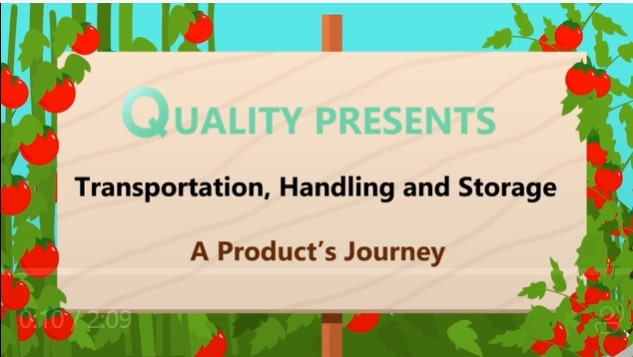
Example 1: A Video-based Storytelling Experience
To help learners easily grasp the nuances of a quality management system (QMS), a 2D video series was created. Learners follow a character through their daily tasks related to the QMS, using real-world scenarios to boost engagement and comprehension. This technique ensures that learners can review essential information in a relatable and memorable way – while on the go.

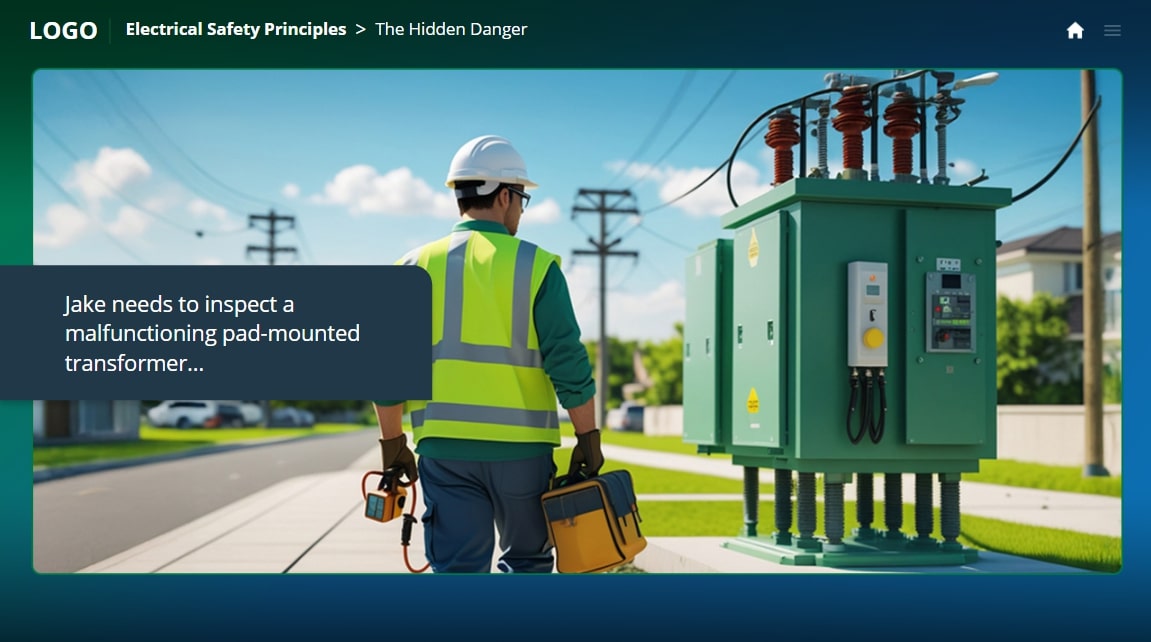
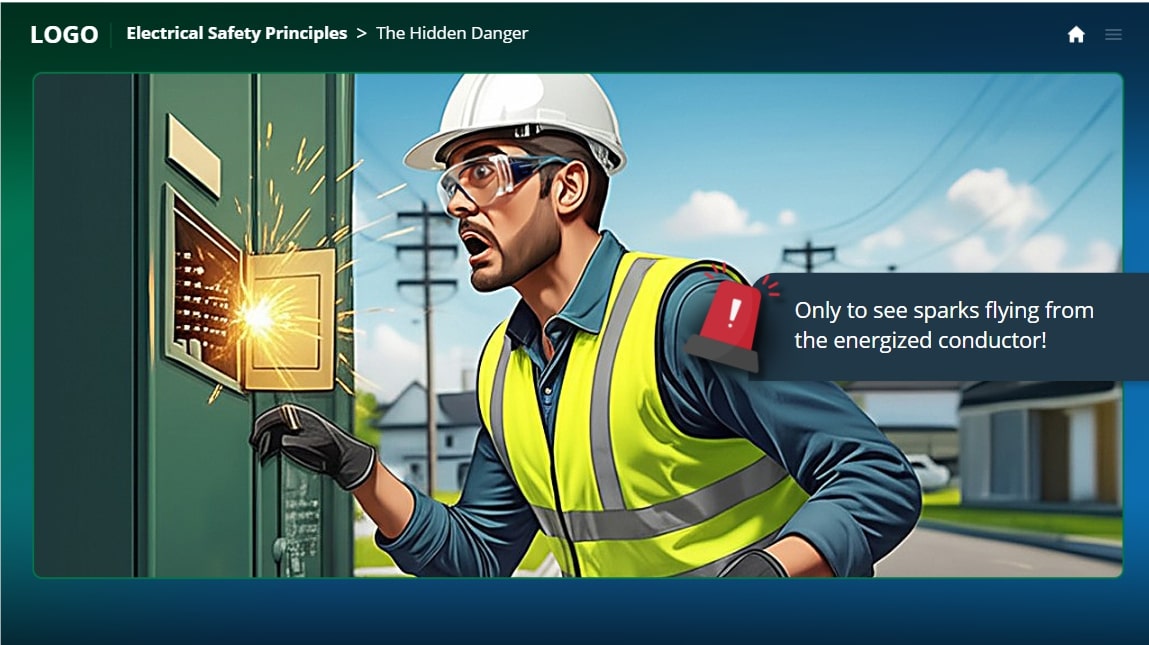
Example 2: A ‘Learn by Doing’ Experience with Mini Scenarios
In this safety training example, learners work through animated scenarios. Each decision point is followed by a visual consequence and feedback explaining why it occurred, thereby reinforcing key safety principles. This approach encourages deeper engagement and helps learners understand how these principles apply on the job.
Example 3: Episodic Learning Through Real-World Ethical Scenarios
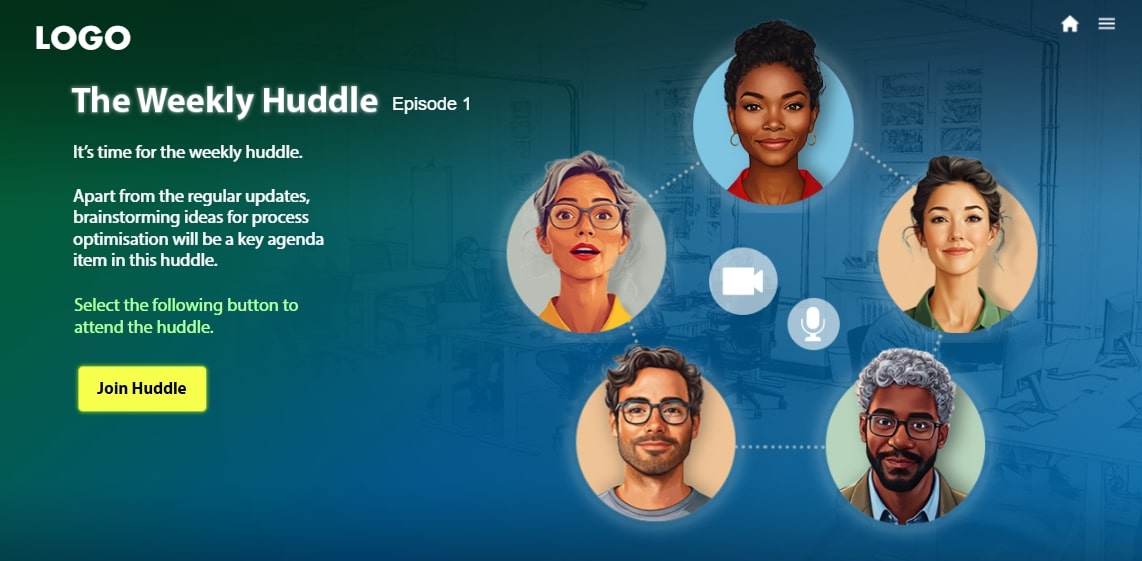
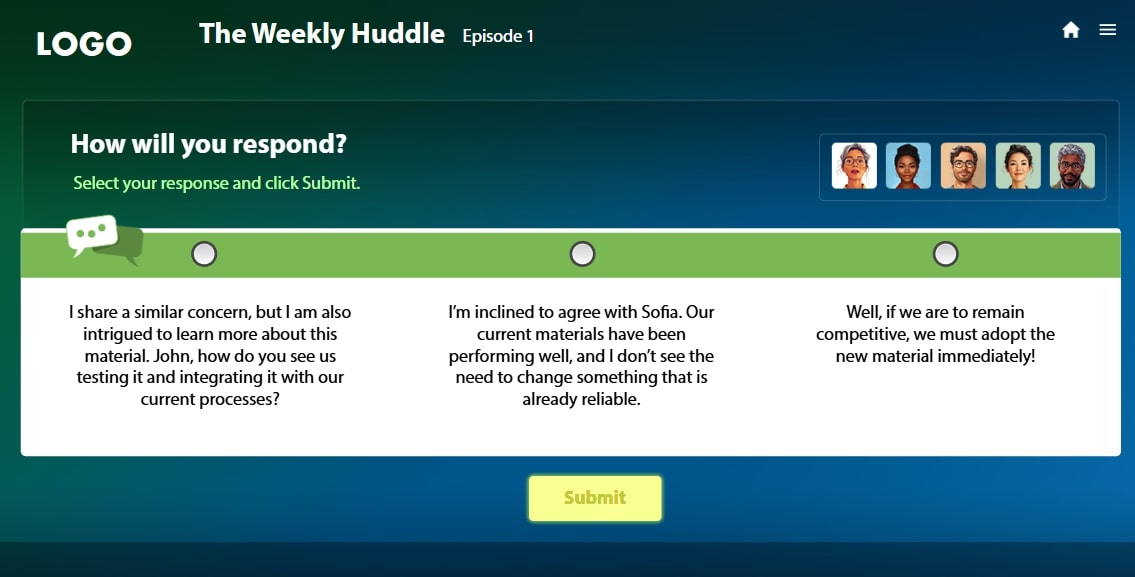
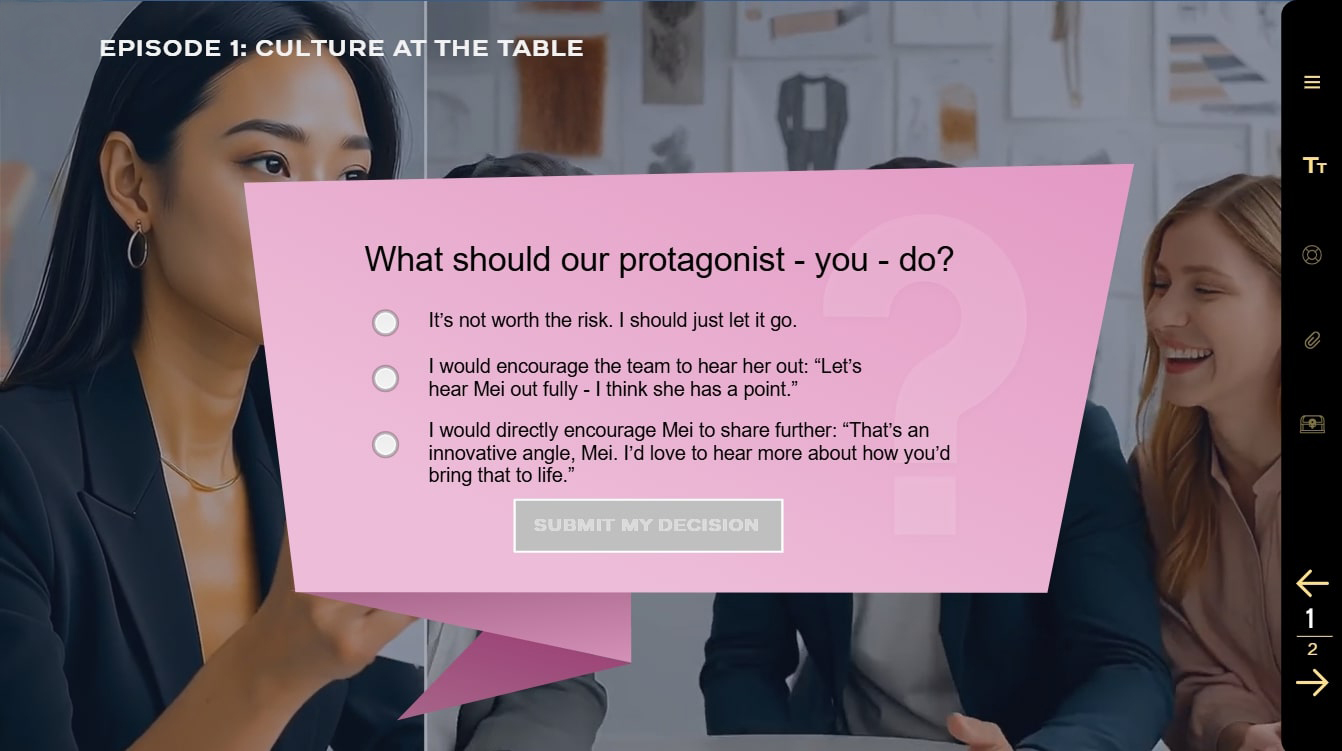
The example follows an episodic, scenario-based strategy that situates learners in realistic workplace situations. Each episode uses AI-generated visuals to depict ethical dilemmas. Learners progress through incremental decision points, observing outcomes that illustrate the consequences of ethical and unethical choices.
Example 4: Gamified, Scenario-based Learning
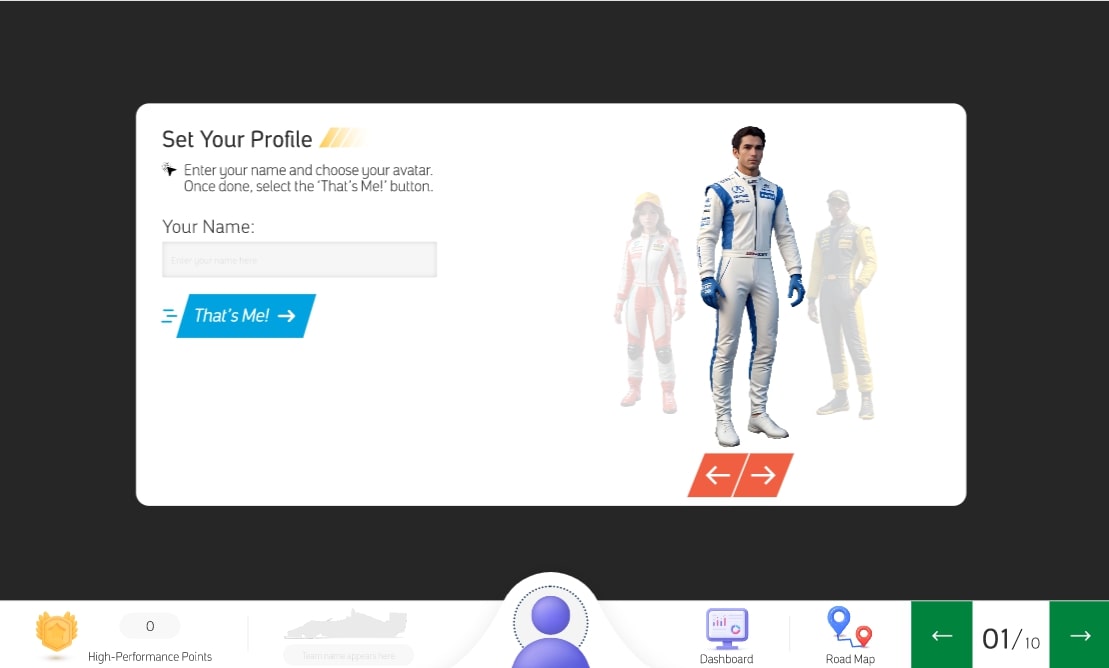
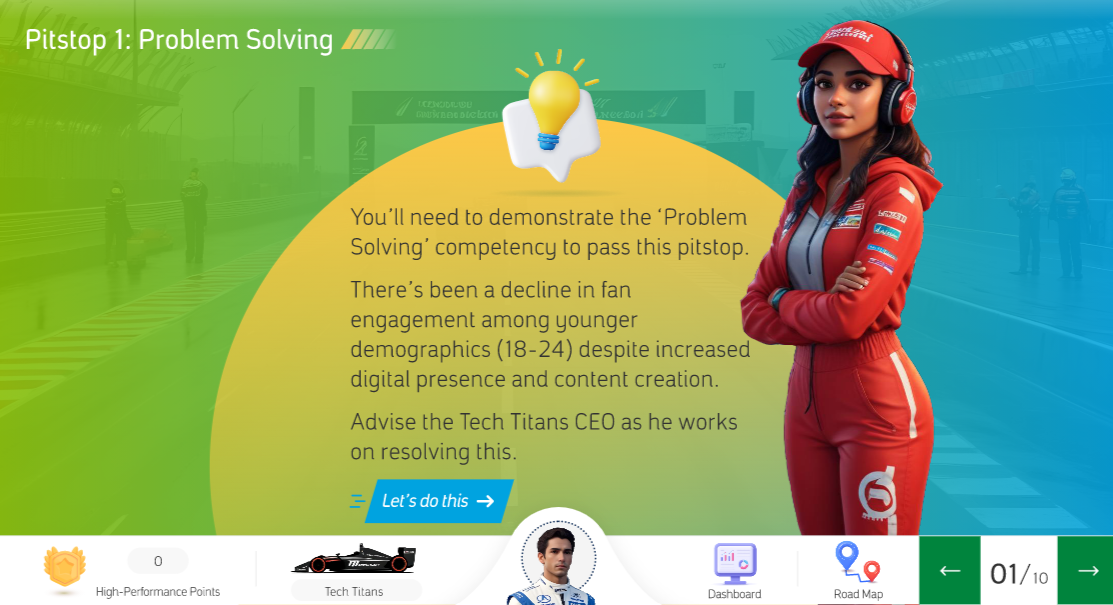
In this example, learners explore how the organization’s Competency Framework translates into day-to-day behaviors. Drawing on an auto racing theme, learners “drive” to each checkpoint to unlock and attempt scenarios, aiming to complete the race successfully. The experience uses meaningful game mechanics and interactive challenges to help learners practically apply the targeted competencies in realistic situations.
Example 5: Interactive Videos with Branching Scenarios
Building on the ‘learn-by-doing’ strategy, this example leverages AI-generated videos that immerse learners in ethics-related scenarios. Each decision triggers a consequential outcome, accompanied by feedback that guides learners to course-correct and reflect. Experiencing these consequences unfold in a dynamic video format creates a more memorable learning experience, thereby improving information recall and retention.

Example 6: Branching Simulation
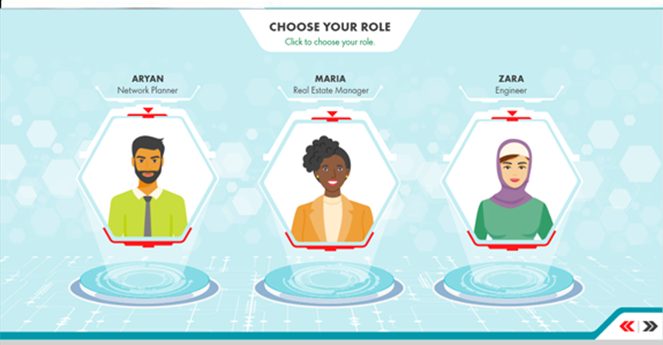
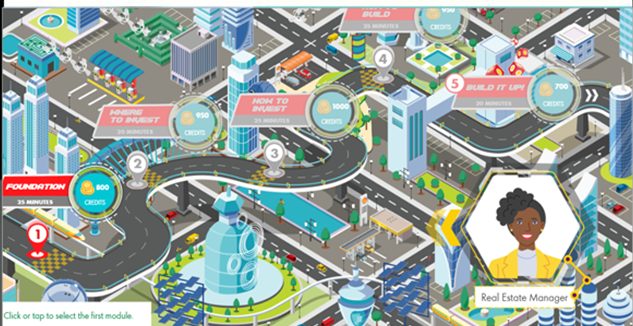
This game for an Oil and Gas major prepares the learners to navigate and overcome the challenges for establishing the EV charging stations in a fictious futuristic city. Through the challenges presented in the game learners are equipped to handle these challenges in their professional life.
Example 7: A Multi-Player Simulation
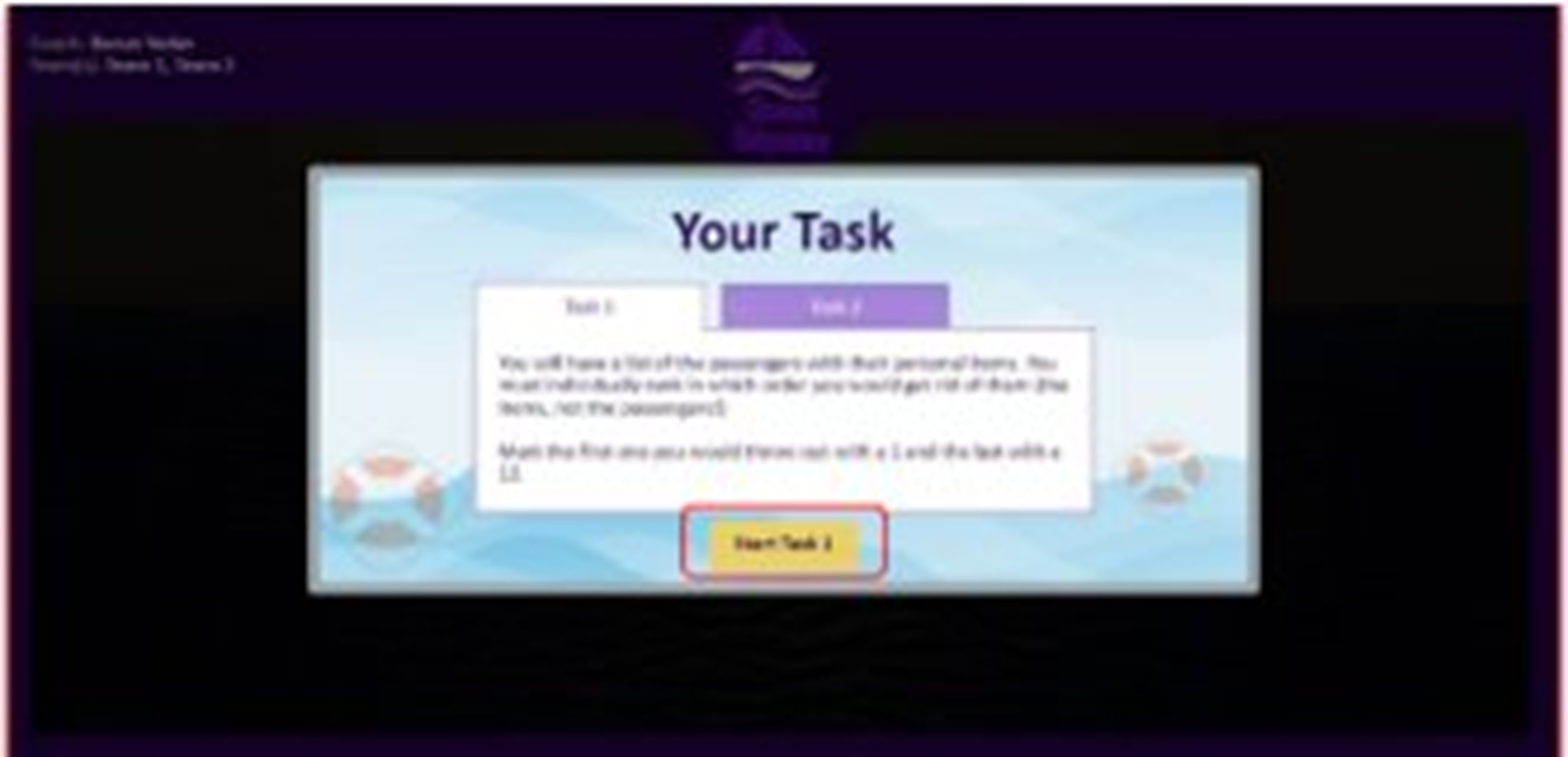
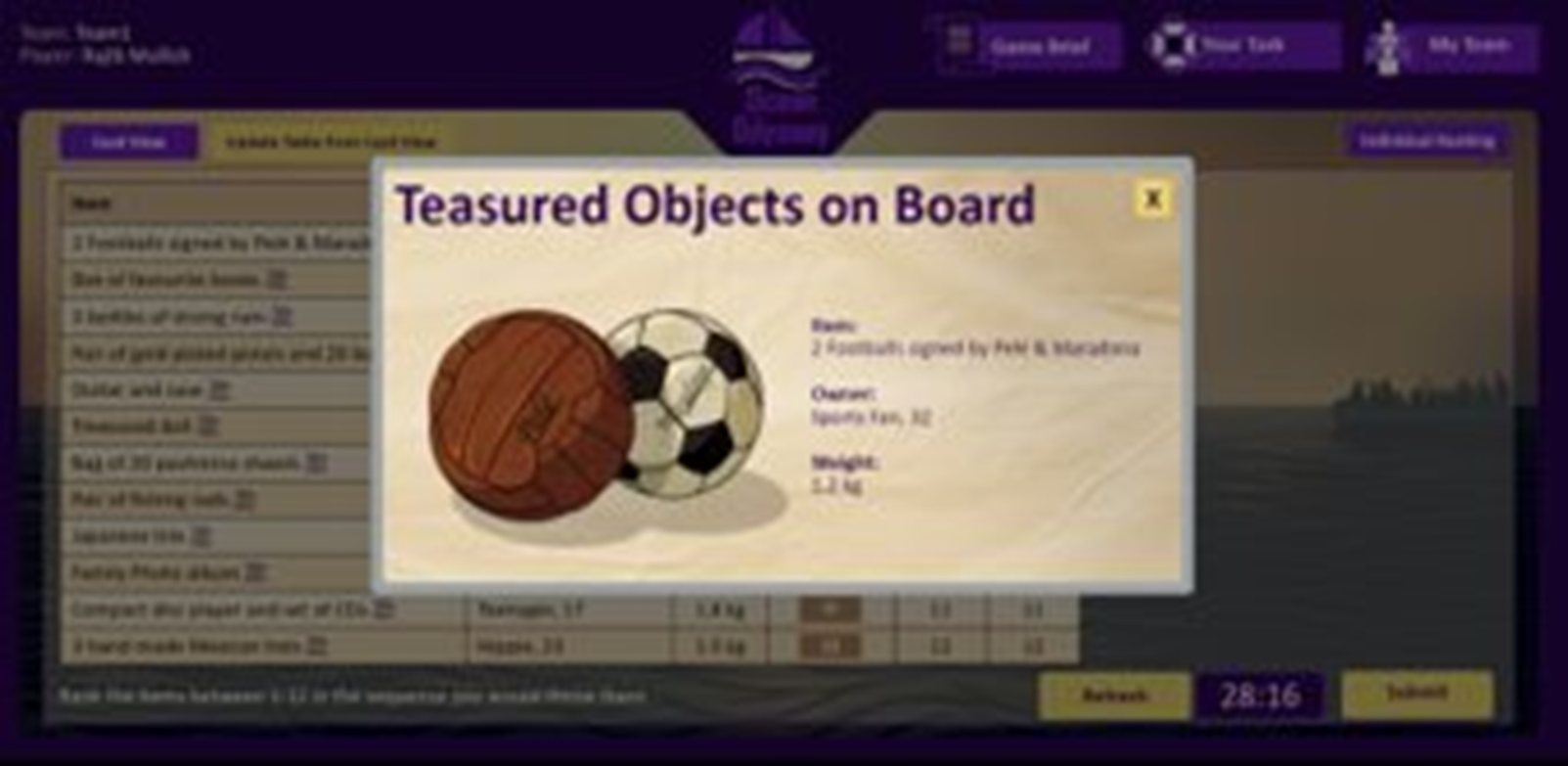
Scenario-based learning can also be effectively applied in facilitated training sessions. In this example, a gamified platform is used to engage learners in both classroom and virtual settings. Participants are divided into teams and work collaboratively through a series of technical scenarios. The team with the highest number of correct responses wins, adding a competitive and enjoyable element to the session. This approach enhances engagement and reinforces learning through experiential, scenario-driven practice.
Feedback & Evaluation: Making Scenarios Truly Effective
Effective scenarios turn feedback into a learning moment by connecting each decision to its underlying principle or consequence. Embedding immediate, context-rich feedback after every decision point helps learners reflect and adjust their approach. Using analytics to track common decision paths, timing, and error patterns provides valuable insight into learner understanding and where reinforcement is needed.
To strengthen evaluation, pair decision data with reflective prompts or mini debriefs such as “What would you do differently next time?” This transforms assessment from a one-time test into a continuous learning process. Over time, these insights can link directly to business KPIs such as improved safety compliance or faster resolution rates, providing measurable proof of behavioral change.
Tools & Formats: Choosing the Right Delivery Mode
Scenario-based learning can take multiple forms, from short interactive videos and microlearning nuggets to branching simulations and gamified VR experiences. The choice depends on the complexity of the decision-making required and the context of use. For example, video-based storytelling works well for compliance and awareness training, while 3D simulations are ideal for skill-based or technical tasks.
Modern authoring tools and AI-assisted platforms allow easy creation of immersive experiences with drag-and-drop branching, dialogue mapping, and multimedia integration. Ensuring these are mobile-friendly and accessible extends their reach into informal learning moments, allowing employees to practice decision-making anytime and anywhere.
Parting Thoughts
SBL emerges as a powerful instructional strategy, enhancing both formal and informal learning experiences. Through its immersive and practical approach, SBL not only fosters deeper comprehension and critical thinking but also effectively prepares learners for real-world challenges. The showcased examples demonstrate the versatility of SBL across various domains, showcasing its effectiveness in formal training programs and informal learning scenarios, making it a valuable tool for diverse educational objectives.
Frequently Asked Questions (FAQs)
- What is Scenario-Based Learning (SBL)?
SBL uses practical workplace situations to help learners apply knowledge, make decisions, and understand outcomes in a risk-free environment. - When should SBL be used?
It is ideal for training that requires decision-making, problem-solving, or behavioral change, such as compliance, sales, leadership, or customer service. - What are the main benefits of SBL?
It enhances engagement, improves retention, builds critical thinking, and bridges the gap between theory and practical performance. - What tools or formats work best for SBL?
Interactive videos, branching simulations, and gamified modules created with tools like Storyline or Captivate work effectively. - How can the effectiveness of SBL be measured?
Track learner choices, feedback accuracy, and performance metrics such as decision quality or post-training behavior improvements.

subscribing!
Related articles
.jpg)



.jpg)