


.avif)

Digital Learning Strategies to Drive Engagement and Business Performance

Summary
Digital learning has evolved from a simple "online course" into a strategic, data-driven ecosystem designed for business agility. By leveraging AI-driven personalization, immersive simulations, and emotionally intelligent design, organizations can transform learning from a cost center into a powerful driver of performance and ROI.
Corporate learning is evolving faster than ever. As distributed teams, rapid technological change, and shifting skill demands reshape the modern workplace, organizations are rethinking how employees learn and perform. Traditional classroom training and static eLearning modules can no longer keep pace with the speed, scalability, and personalization today’s workforce requires.
That’s where digital learning comes in. More than just moving training online, digital learning represents a strategic transformation, one that connects learning directly to performance and business outcomes. It enables companies to deliver relevant, flexible, and engaging learning experiences that fit seamlessly into the flow of work.
In fact, the global e-learning market was valued at US $263.5 billion in 2023 and is projected to reach US $933.5 billion by 2032, reflecting a compound annual growth rate (CAGR) of about 14.8%.
For Learning and Development (L&D) leaders, digital learning isn’t simply a technology upgrade. It’s a data-driven, learner-centric approach that uses design, analytics, and empathy to build capabilities at scale while continuously adapting to organizational needs.
In this guide, we’ll explore what digital learning really means in today’s corporate context, how to create high-impact digital learning content, and how to measure and optimise results for maximum ROI.
TL;DR / Key Takeaways:
- Digital learning is not just a shift to online delivery — it’s a strategic system that connects learning to measurable business outcomes.
- Effective digital learning content blends technology, design, and empathy to create engaging, learner-centric experiences.
- The most effective corporate programs utilize microlearning, simulations, and analytics-driven personalization to achieve measurable skill transfer and retention.
- Continuous measurement through engagement, behavioral, and business metrics turns learning from a cost center into a growth driver.
- Emotionally intelligent design, understanding learner motivation and barriers, is the next frontier for high-impact digital learning.
What Is Digital Learning in Today’s Workplace?
Digital learning refers to the use of technology to design, deliver, and manage learning experiences that are accessible anytime and anywhere. It combines learning science, human-centered design, and digital tools to create an ecosystem where learning becomes continuous and measurable.
Unlike traditional eLearning, which is often focused on static courses, digital learning encompasses a broader range of experiences, including microlearning, virtual simulations, mobile learning, and performance support tools. It blends formal and informal learning, enabling employees to learn in the flow of work rather than in isolated sessions.
For corporate organizations, digital learning enables business agility. It allows teams to:
- Upskill quickly
- Align training with strategic goals
- Create personalized growth pathways through HR initiatives
The result is a learning environment that adapts to both business needs and learner preferences.
Digital learning is effective when it balances technology with empathy. Every design decision, from content format to delivery method, should start with understanding the learner’s challenges, emotions, and motivations. This emotionally intelligent approach helps drive sustained engagement and measurable performance outcomes.
Key Benefits of Digital Learning for Organizations
As workplaces evolve, the demand for scalable, data-driven learning is rising. Research by Global Market Insights shows that the corporate digital learning market is expected to exceed USD334.96 billion by 2030, reflecting its strategic importance to enterprises. For organizations, the benefits go far beyond convenience or cost savings.

1. Scalability and Reach
Digital learning enables enterprises to deliver consistent training to a global workforce without geographical limitations. Whether onboarding new employees or rolling out compliance programs, content can be updated and deployed quickly across regions and devices.
2. Flexibility and Accessibility
Employees can access training on demand, at their preferred time and pace. This autonomy increases engagement and reduces disruptions to productivity.
3. Personalization and Adaptivity
With data analytics and AI, digital learning platforms can tailor experiences to a learner’s role, skill level, and performance data. Personalized pathways help employees focus on relevant skills, improving retention and completion rates.
4. Cost and Time Efficiency
By reducing travel, instructor costs, and classroom logistics, organizations can deliver high-quality training at a fraction of the cost. Learners also spend less time away from their work, improving productivity.
5. Performance and ROI
The most significant benefit of digital learning lies in its measurable business impact. Learning analytics help track engagement, application, and performance improvement. When linked with business metrics, such as sales growth or reduced error rates, learning becomes a driver of organizational performance rather than a standalone initiative.
At EI, we help enterprises design scalable digital learning ecosystems that connect people, process, and performance. Our frameworks ensure personalization never gets lost in scale — combining data, empathy, and design thinking to drive sustained engagement and measurable business outcomes.
Also read: Key Strategies for Effective Corporate eLearning Solutions
Understanding Digital Learning Content
At the core of every successful learning initiative lies the quality and design of its content. Digital learning content refers to the materials, media, and experiences used to deliver learning in a digital environment. This includes everything from microlearning videos and interactive simulations to podcasts, scenario-based modules, and performance support tools.
Well-designed content ensures that learning is not only informative but also engaging and actionable. For corporate L&D teams, content must align with both business goals and learner needs, helping employees apply knowledge directly to their work.
Key Characteristics of Effective Digital Learning Content
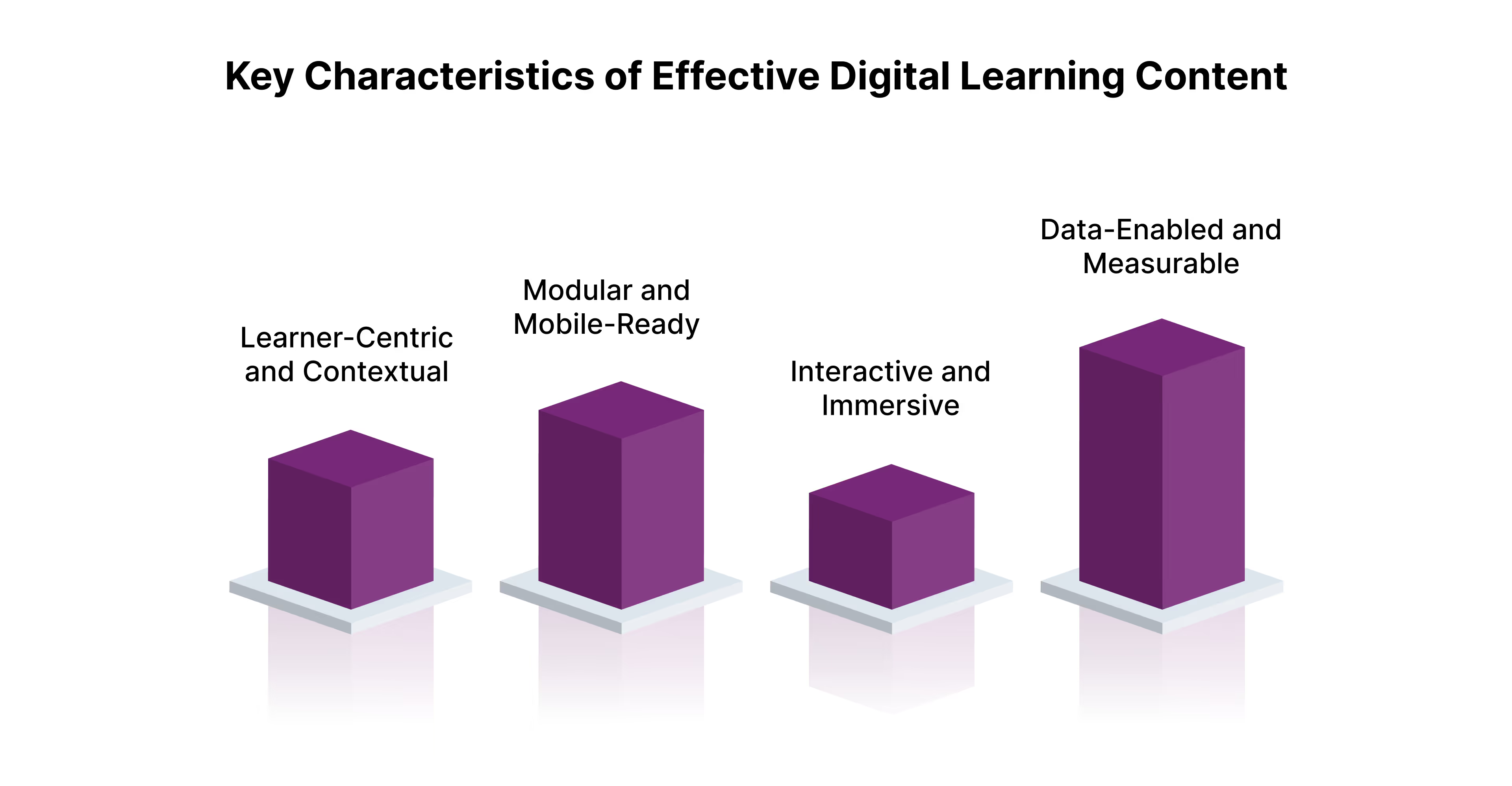
- Learner-Centric and Contextual: Every piece of content should be designed around the learner’s role, skill level, and challenges. For example, a frontline sales executive may need quick, scenario-based modules for customer conversations, while a manager might benefit from simulations for data-driven decision-making.
- Modular and Mobile-Ready: Modern learners expect flexibility. Content that can be consumed in short bursts across devices ensures accessibility and sustained engagement.
- Interactive and Immersive: Learners retain more information when they actively participate. Features such as branching scenarios, gamified challenges, and simulations promote more profound understanding and skill application.
- Data-Enabled and Measurable: Digital learning content must generate actionable insights, helping organizations track completion rates, learning patterns, and performance improvements.
Types of Digital Learning Content
Below are common formats used in enterprise digital learning programs. Each serves a specific purpose depending on the learning objective:
Example Patterns
Examples of how digital learning content can be structured effectively include:
- Sales Scenario Micro-Module A 10-minute interactive simulation guiding sales representatives through a client conversation, providing feedback at each decision point.
- Compliance Video Journey A mobile-first video series that walks employees through ethical scenarios and regulatory updates, accessible anytime through the LMS.
- Immersive Onboarding Experience A virtual walkthrough that familiarizes new hires with workplace tools, teams, and culture, improving early engagement and retention.
At EI, we use structured design patterns like these to accelerate course creation and maintain consistency across large-scale programs. Our story-driven, modular frameworks allow enterprises to scale digital learning efficiently while keeping creativity, quality, and learner engagement at the forefront.
Also read: Microlearning Examples to Inspire Employee Training
How L&D Teams Can Get Started with Digital Learning
Implementing digital learning successfully requires a strategic approach. It’s not just about adopting new tools but about transforming how learning happens across the organization.

Here’s how L&D and HR teams can begin:
1. Audit Existing Learning Assets
Identify current training materials and evaluate which can be digitized, updated, or repurposed. Start by mapping existing content to business goals and performance metrics.
2. Define Clear Learning Objectives
Determine what skills or behaviors you want to develop and how they align with organizational outcomes. Objectives should be measurable and linked to key performance indicators.
3. Know Your Learners
Understand who your audience is, their roles, learning preferences, and access constraints. Use learner personas to design relevant experiences.
4. Select the Right Mix of Tools and Formats
Choose digital platforms and content types that best fit your organization’s learning culture. A blend of microlearning, simulations, and curated content works best for continuous learning ecosystems.
5. Pilot, Gather Feedback, and Iterate
Start with a small program, gather learner feedback, analyze data, and optimize content. Continuous iteration ensures alignment with learner needs and business goals.
6. Build Stakeholder Buy-In
Involve department heads, IT, and leadership early in the process. Communicating the benefits and expected impact helps drive organization-wide adoption.
7. Align with Business Outcomes
Measure success not only through completion rates but through improved performance and productivity. This approach positions L&D as a strategic growth driver rather than a cost center.
EI partners with L&D leaders to define learning roadmaps that integrate analysis, experience design, and technology enablement. Our consultative model helps enterprises modernize legacy programs, reduce development time, and maximize learning ROI.
Also read: How to Adopt a Learner-Centered Design Approach for Your Learning Programs.
Measuring the Impact of Digital Learning
For corporate learning leaders, implementing digital learning is only half the equation. Measuring its effectiveness and demonstrating tangible business value is equally essential. The true success of a digital learning strategy lies in how well it influences on-the-job performance and organizational outcomes.
Why Measurement Matters
A data-driven approach to learning helps organizations identify what works, what doesn’t, and where to improve. It also strengthens L&D’s credibility with senior management by linking learning investments directly to business goals such as productivity, engagement, and retention.
Key Metrics to Track
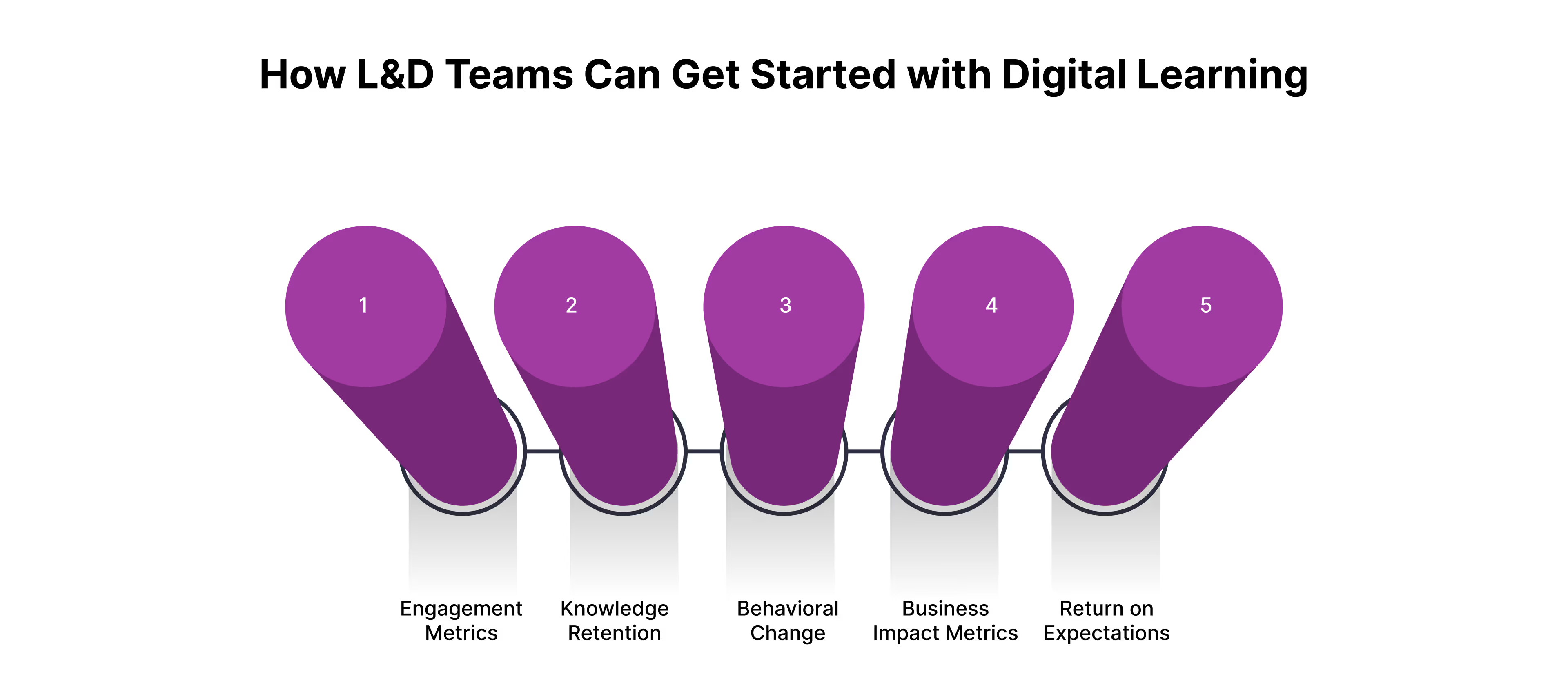
Below are practical indicators that align learning outcomes with business performance:
- Engagement Metrics Track participation rates, completion percentages, and repeat visits to assess learner involvement and content relevance.
- Knowledge Retention and Application Use quizzes, scenario responses, or real-world performance checks to measure how well employees retain and apply what they learn.
- Behavioral Change Evaluate post-training actions and decisions to see if learning has translated into new or improved workplace behaviors.
- Business Impact Metrics Correlate learning data with business KPIs such as sales growth, customer satisfaction, or reduced compliance incidents.
- Return on Expectations (ROE) Beyond ROI, ROE evaluates whether training met stakeholder expectations and solved specific organizational challenges.
Frameworks for Evaluation
Models like Kirkpatrick’s Four Levels of Evaluation and Phillips' ROI Methodology can help quantify impact at multiple layers, from learner satisfaction to financial outcomes. The key is to establish these metrics before launching a program, not after.
Also read:
- Evaluating Steps to Measure Training ROI
- How to Use Employee Training Metrics to Measure Training Effectiveness and Impact
The Future of Digital Learning Content
As technology continues to evolve, the boundaries of digital learning are expanding. L&D teams are increasingly exploring ways to make learning more intelligent, adaptive, and emotionally resonant.
1. AI-Driven Personalization
Artificial Intelligence is transforming digital learning by analyzing learner behavior, predicting skill gaps, and recommending personalized content. This ensures every learner receives the right information at the right time.
2. Immersive and Experiential Learning
Augmented and Virtual Reality are redefining experiential learning. Immersive simulations replicate complex workplace scenarios, from safety drills to customer interactions, allowing learners to practice in realistic environments.
3. Continuous Learning Ecosystems
Organizations are shifting from isolated training programs to continuous learning ecosystems. These systems integrate formal courses, microlearning, mentoring, and performance support tools into an ongoing cycle of development.
4. Data and Learning Analytics
The next evolution of digital learning will depend heavily on analytics. Predictive dashboards, learning records, and performance analytics will guide L&D teams in making real-time improvements.
5. Emotionally Intelligent Design
The future of effective digital learning lies not only in technology but in empathy. Emotionally intelligent design ensures content resonates with learners on a human level, motivating change and improving long-term retention.
From AI-driven personalization to immersive learning, we at EI combine innovation with emotional intelligence to create experiences that inspire real change. Our team focuses on human-centered digital learning solutions that evolve with workforce needs.
Also read: Key Strategies for Effective Corporate eLearning Solutions
Conclusion
Digital learning isn’t about replacing traditional training; it’s about creating learning ecosystems that adapt, evolve, and empower employees at scale. Organizations that embrace data-driven, learner-centric design can turn every learning moment into measurable value.
At EI, we help enterprises reimagine learning for the modern workplace. Our experts design emotionally intelligent, technology-driven learning experiences that engage learners, accelerate performance, and deliver ROI.
Ready to elevate your learning strategy? Let’s build a digital learning ecosystem designed for growth. Contact EI today.
Frequently Asked Questions (FAQs)
1) What is the difference between eLearning and digital learning?
eLearning usually refers to online courses or modules delivered electronically. Digital learning is broader — it integrates formal, informal, and experiential learning across multiple platforms, using data, AI, and analytics to make learning continuous and adaptive.
2) How can organizations measure the success of digital learning?
Measure engagement, knowledge retention, and behavioral change alongside business KPIs like productivity or customer satisfaction. Frameworks such as Kirkpatrick’s Model and Phillips' ROI Methodology help quantify impact at multiple levels.
3) What types of content work best for digital learning?
Short, interactive formats like microlearning, simulations, and scenario-based videos perform best. These formats support on-the-job learning, improve retention, and align with modern learners’ attention spans.
4) What are the biggest challenges in implementing digital learning?
Common challenges include low adoption, lack of personalization, and unclear measurement strategies. Overcoming these requires understanding learner needs, embedding feedback loops, and linking learning to performance outcomes.
5) What’s next for digital learning?
The future lies in AI-driven personalization, immersive AR/VR experiences, and emotionally intelligent content that adapts to learners’ motivations. Organizations that integrate these innovations early will gain a competitive edge in workforce capability building.

subscribing!
Related articles


.jpg)
.jpg)