






.avif)

What Is Compliance Training and Why Does It Matter?

Summary
Compliance training is more than a checkbox—it safeguards organizations from legal, financial, and reputational risks while building a culture of integrity. By using engaging formats like microlearning, storytelling, gamification, and immersive simulations, companies can transform mandatory sessions into impactful learning that drives real behavioral change and measurable business value.
A single compliance misstep can cost a company millions, or worse, its reputation. Yet, many L&D and HR leaders admit that employees still view compliance training as a yearly formality rather than an everyday responsibility.
And that gap can be costly. Most employees are aware that rules exist, but they often lack understanding of how those rules apply to real work situations, especially when policies evolve more quickly than the training itself.
This blog explores what compliance training is, why it serves as the backbone of organizational integrity, and how the right strategy can change mandatory checklists into measurable business value.
Key Takeaways:
- Compliance training helps employees act responsibly, reducing legal, financial, and reputational risks.
- Engaging formats such as scenarios, microlearning, and storytelling turn policies into practical habits.
- Measuring impact through behavior change and risk reduction shows real business value.
- Large-scale rollouts succeed with structured governance, localized content, and ongoing updates.
- Personalization, automation, and analytics are bringing the next phase of smarter, data-backed compliance learning.
What Is Compliance Training and What Does It Do?
Compliance training is a structured program that helps employees understand the rules that guide their work, from laws and regulations to internal company policies. It ensures that everyone is aware of their responsibilities and knows how to make informed decisions at work.
This kind of training not only helps prevent mistakes and misconduct but also protects the company from legal issues and builds a culture of ethics across the team.
In any company, compliance training acts as both a safeguard and a foundation for the workplace culture. A strong compliance program is all about creating real results, like:
- Reducing Risk Exposure: Helps prevent legal issues, safety problems, and ethical lapses through early education.
- Improving Employee Awareness: Ensures everyone understands what’s acceptable in terms of conduct, data handling, and workplace behavior.
- Reinforcing Organizational Culture: Promotes a shared sense of integrity, fairness, and transparency across teams.
- Maintaining Regulatory Readiness: Keeps employees informed about changing local and global regulations, ensuring the company remains compliant at all times.
- Supporting Sustainable Performance: Encourages employees to make smart, compliant decisions that protect both their reputation and the organization’s credibility.
Once you know what compliance training is, it’s clear why it holds such importance in the business space.
Compliance Training Matters More Than Ever Today

Compliance training matters because it helps build trust and keeps organizations protected. As regulations tighten and workplace expectations evolve, compliance training has become more important than ever. Here’s why:
1. It Prevents Legal and Financial Losses
Breaking regulations can be costly. Even a small misunderstanding can lead to fines, lawsuits, or, in severe cases, business shutdowns. When compliance becomes part of daily learning, everyone understands their boundaries clearly. This reduces legal risks and helps protect the company’s financial health and stability.
2. It Protects Brand Reputation
A company’s reputation is its strongest asset. One unethical act or data mishandling incident can undo years of hard work and goodwill. That’s where compliance training sets clear ethical standards that guide employee behavior. When every person acts with integrity, it builds public trust and strengthens the brand’s credibility.
3. It Promotes a Safe and Inclusive Workplace
Many conflicts or incidents happen not because of bad intentions, but because employees lack awareness. Through focused compliance programs, companies can clearly communicate what’s acceptable and what’s not. This reinforces zero-tolerance policies against harassment and discrimination.
4. It Ensures Global Consistency Across Hybrid Teams
As teams spread across different locations, maintaining consistent standards can get tricky. Compliance training bridges these gaps by creating a shared understanding of company principles. Whether an employee works remotely or on-site, everyone follows the same rules and values, ensuring unity and consistency.
EI makes learning flexible and accessible through custom-branded portals, mobile training apps, and localization across 80+ countries. These solutions ensure every employee gets training that feels relevant, easy to access, and tailored to their local needs.
Check Demo: eLearning Portals
5. It Strengthens Ethical Decision-Making
Even experienced professionals can face moments of uncertainty about what’s right. Scenario-based compliance learning helps employees think through such situations. It builds confidence in assessing risks, interpreting policies correctly, and making choices that balance ethical and business priorities.
6. It Builds Organizational Resilience
Companies that only react to compliance failures often pay a higher price, from financial losses to a damaged reputation. Regular updates and bite-sized lessons keep employees alert and informed, enabling them to anticipate risks rather than just respond to them.
Understanding why compliance training is so important also helps in identifying the key types that every organization should include in its program.
Suggested Read: How to Create Compelling Compliance Training with Scenario-Based Training – Featuring 4 Examples
Types of Compliance Training Every Program Needs
Compliance programs work best when they cover every important part of how a company operates. These key types of compliance training help employees make responsible choices, follow the law, and remain true to the organization’s values in their everyday work.
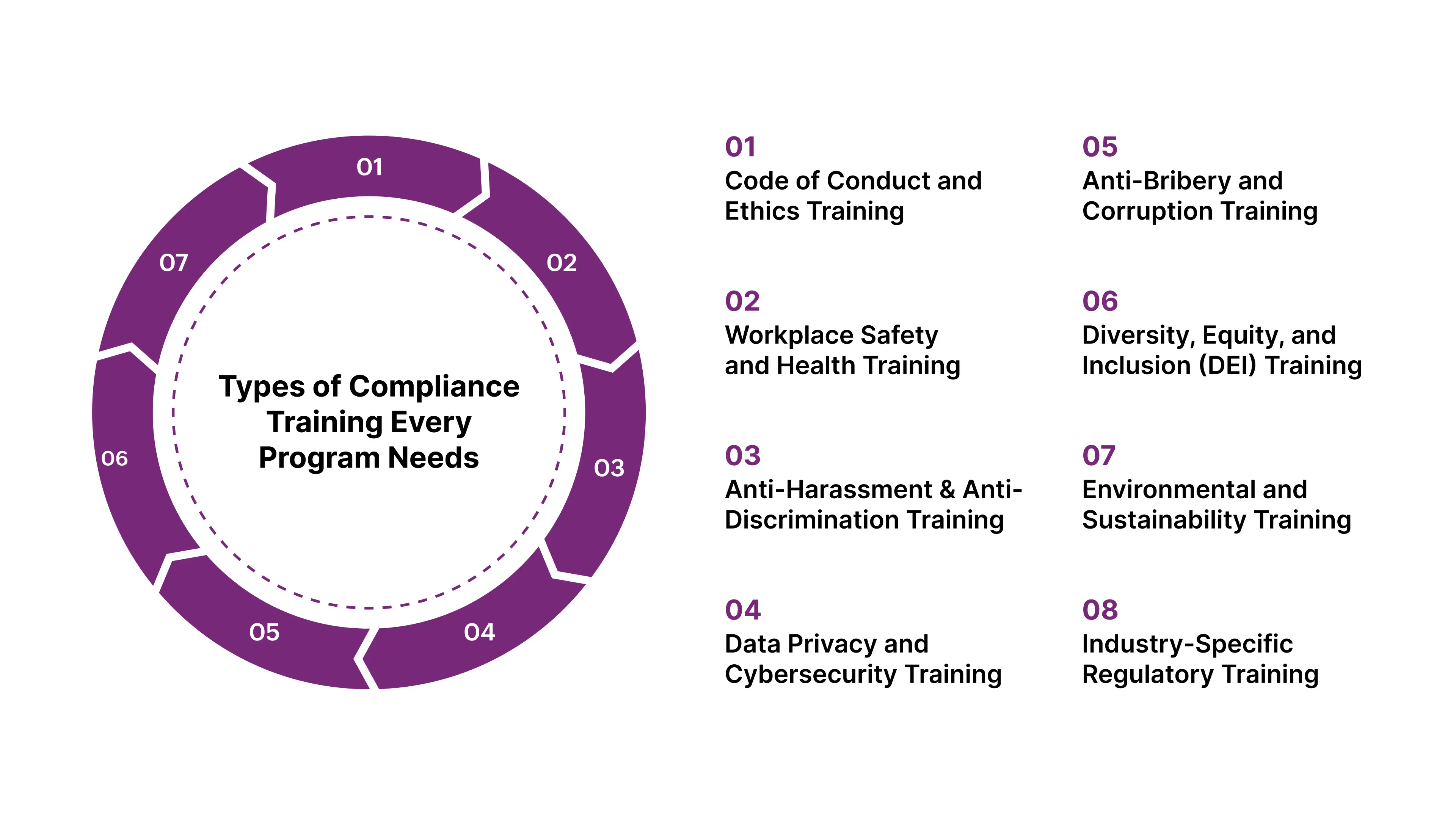
1. Code of Conduct and Ethics Training
This is the backbone of every compliance program. It helps employees understand the company’s ethical standards, expected behavior, and what integrity looks like at work. Key features include:
- Defines what’s acceptable and what’s not in the workplace.
- Encourages fair, transparent decision-making.
- Explains how to deal with ethical dilemmas or conflicts of interest.
- Promotes safe, confidential ways to report violations.
2. Workplace Safety and Health Training
This training keeps everyone informed about maintaining a safe and compliant workspace. It helps reduce accidents, supports physical and mental well-being, and ensures that safety laws are followed at all times. Key features include:
- Teaches how to identify and prevent potential hazards.
- Covers emergency response and reporting steps.
- Promotes mental wellness for all work setups.
- Keeps practices aligned with national and regional safety laws.
3. Anti-Harassment and Anti-Discrimination Training
Respect and inclusivity are essential for a healthy workplace. This training helps employees recognize, prevent, and respond to inappropriate behavior. It minimizes legal risks and builds a workplace culture rooted in empathy and equality. Key features include:
- Defines harassment, discrimination, and microaggressions through real examples.
- Explains how to prevent, intervene, and report misconduct.
- Reinforces zero-tolerance policies to protect all employees.
- Builds awareness about how behavior affects workplace culture.
4. Data Privacy and Cybersecurity Training
Data is one of a company’s most valuable assets. This training teaches employees how to handle information responsibly and prevent data breaches. Key features include:
- Covers password protection, phishing awareness, and secure data sharing.
- Explains compliance with laws like GDPR and HIPAA.
- Guides employees on how to handle and store sensitive data safely.
- Encourages personal accountability for digital security.
5. Anti-Bribery and Corruption Training
This training promotes honesty and transparency in all business dealings. It helps employees spot and avoid unethical practices, ensuring every transaction meets legal and ethical standards. Key features include:
- Defines bribery, facilitation payments, and kickbacks.
- Offers guidance on giving and receiving gifts responsibly.
- Shares examples of corruption risks in global operations.
- Reinforces procedures for reporting suspicious activity.
6. Diversity, Equity, and Inclusion (DEI) Training
DEI training builds awareness around bias and promotes fairness in the workplace. It’s essential for creating a culture where everyone feels respected, valued, and heard, which in turn improves innovation and teamwork. Key features include:
- Helps employees recognize and overcome unconscious bias.
- Encourages inclusive communication and fair collaboration.
- Shows how diversity supports performance and creativity.
- Inspires allyship and continuous inclusive practices.
7. Environmental and Sustainability Compliance Training
Sustainability is a responsibility. This training helps employees understand environmental regulations and adopt eco-friendly practices that align with the company’s ESG goals. Key features include:
- Explains environmental laws and internal sustainability objectives.
- Promotes responsible energy use and waste reduction.
- Encourages involvement in environmental audits and reporting.
- Links sustainable practices to brand trust and reputation.
8. Industry-Specific Regulatory Training
Each industry has its own compliance rules, whether it’s finance, healthcare, or manufacturing. This training helps employees stay current with the standards applicable to their specific roles. Key features include:
- Covers sector-based regulations (like SOX, FDA, ISO, HIPAA).
- Teaches documentation and audit readiness.
- Provides real-world examples relevant to each role.
- Reinforces compliance with both global and local laws.
Once you understand the essential types of compliance training, the next step is to find effective ways to make these programs truly work for your team.
Also Read: 6 Strategies to Convert Instructor-Led Compliance Training to eLearning
Smart Ways to Make Compliance Training Work
Compliance training programs are most effective when they move beyond routine lectures and become something employees can genuinely connect with. When learning feels practical and engaging, it naturally shapes behavior and decision-making. Here are a few practical ways to make compliance training more effective:
1. Use Real-World Scenarios and Case Studies
Create short, story-based modules that present real situations employees might face.
Add branching choices that show how different decisions lead to different outcomes. This makes training feel interactive and helps employees grasp the “why” behind each rule, not just the “what.”
2. Deliver Training in Short, Focused Sessions

Break the program into short, 5–10-minute lessons spread throughout the year. Utilize microlearning formats, such as quick videos, infographics, or bite-sized quizzes. These smaller lessons keep key ideas fresh and fit easily into busy workdays.
3. Personalize Learning Paths by Role and Risk Level
Segment your learners based on their roles, regions, or level of exposure to risk. Tailored content keeps training relevant, while adaptive learning tools can track progress and suggest follow-ups where employees need extra support.
4. Apply Storytelling to Reinforce Behavior
Share real incidents, both failures and success stories, that show the real-world impact of compliance decisions. End each story with a simple reflection or question, so employees can think about what they’d do differently. This helps turn policies into personal lessons.
5. Add Gamified Elements to Sustain Engagement

Add quizzes, badges, and leaderboards to make learning more interactive and engaging. Recognize top performers in internal newsletters or meetings. This motivates others and also turns compliance into something employees look forward to.
EI enhances learning through gamification, interactive simulations, AR/VR experiences, and storytelling, making it more engaging. These approaches build knowledge and inspire real behavioral change in learners.
Check Demo: 5 Killer Gamification Examples
6. Embed Learning into Everyday Tools
Instead of asking employees to log into separate portals, bring training to where they already work, like Microsoft Teams, Slack, or the company intranet. Short reminders, pop-up quizzes, or quick links to policies can keep compliance top of mind throughout the day.
7. Reinforce Learning Through Continuous Reminders
Send short reminders or polls at regular intervals to refresh key points. Use “Did You Know?” tips, quick quizzes, or mini-scenarios to bring important lessons back to mind. This consistent support turns short-term learning into long-term habits.
8. Involve Leaders as Compliance Champions

When leaders take compliance seriously, everyone else follows. Encourage managers to introduce sessions, share success stories, or highlight milestones. Visible leadership involvement sends a clear message.
9. Combine Learning with Real-World Action Tasks
End each module with something employees can do right away, such as reviewing a department policy, checking data privacy practices, or updating safety logs. Turning lessons into immediate actions helps bridge the gap between theory and practice.
After identifying ways that make compliance training effective, the next challenge is implementing it successfully across the entire organization.
A Smooth Rollout Plan for Large-Scale Compliance Training
Rolling out compliance training across a large organization takes planning, teamwork, and flexibility. The goal is to make learning simple to scale, easy to measure, and relevant to every employee, regardless of their location or role. Here’s how to do it effectively:
1. Build a Centralized Governance Team
Clearly define who is responsible for what, specifically, who approves the content, manages data, and tracks progress. Establish clear ownership for each task, including content approval, data management, and progress tracking. Utilize project management tools to stay on schedule and ensure everyone is aligned on responsibilities and reporting.
2. Map Roles, Rules, and Risk Levels
Create a compliance matrix that outlines which roles are subject to which regulations and policies. Group employees by risk exposure, such as high, medium, or low. This helps design focused learning paths so people only take training that actually applies to their job.
3. Deliver Training Through a Scalable LMS
Pick an LMS that can handle large user uploads, integrate with HR systems, and track progress automatically. Set it up to send reminders, record completions, and create reports by region or team. Ensure it supports multiple languages and mobile access, allowing remote and field workers to learn easily.
EI enhances mobile learning with custom training apps, microlearning modules, and performance support tools that enable employees to learn on the go and apply their knowledge immediately.
4. Standardize Core Modules and Localize When Needed
Start with a global curriculum that covers essentials like ethics, anti-harassment, and data security. Then, collaborate with local experts to add region-specific examples or legal requirements. Use version control to update content smoothly without repeating work across markets.
5. Roll Out the Training in Phases
Begin by conducting a pilot in one department or region to test the process. Gather feedback and refine areas such as communication frequency and tech support. Once it’s running smoothly, expand gradually using a clear rollout schedule.
6. Turn Managers into Compliance Ambassadors
Provide managers with access to dashboards that display their team’s completion rates. Share ready-to-use materials, such as FAQs and talking points, so they can effectively motivate their teams. Check in regularly with managers to discuss progress and solve any local engagement issues.
7. Offer Learning in Multiple Formats
Mix online learning with instructor-led or virtual sessions. Include short videos, quick reference guides, and quizzes to keep things interactive. For global teams, host quarterly live sessions on new updates and record them for anyone who can’t attend live.
With a well-planned rollout, it is essential to measure the effectiveness of your compliance training.
Measuring the Impact of Compliance Training
The real value of compliance training lies in observing genuine behavioral change. Organizations must link learning outcomes to performance data, risk patterns, and cultural shifts. Here’s how to create a system that tracks both learning progress and real business impact:
1. Track Completion and Participation Rates
Use your LMS to automatically track who’s enrolled, who’s completed, and who’s falling behind. Break reports down by department, role, or region to spot participation gaps early. Send reminders or set up escalation alerts to ensure everyone stays on track.
2. Check Knowledge Retention Over Time
Start with a short quiz before and after training to see how much employees actually learn. Then, test them again 30–60 days later to assess what they have retained. Use the results to pinpoint weak areas and roll out quick refreshers where needed.
3. Observe Behavioral Changes at Work
Partner with HR and compliance teams to track the impact of training on actual behavior. Look for signs like fewer safety incidents, reduced policy breaches, or more proactive incident reporting. Combine this data with manager feedback for a fuller picture.
4. Connect Training to Risk Reduction
Compare audit reports, data breaches, or investigation numbers from before and after the training rollout. Use dashboards to show clear improvements in key areas like data privacy, workplace safety, or anti-bribery compliance.
5. Gather Employee Feedback Regularly
After each training session, send out short surveys that include both rating scales and open-ended questions. Ask if the examples were relatable, the content useful, and the pace comfortable. Use their feedback to fine-tune your tone, flow, and real-life relevance.
6. Include Managers in Evaluating Outcomes
Give managers access to their team’s reports so they can see who’s engaging and how well they’re performing. Encourage them to talk about compliance topics during meetings and observe whether employees apply what they’ve learned.
7. Review Audit and Incident Trends
Look at incident logs, hotline reports, and audit results before and after each training cycle. If a particular issue keeps coming up, it’s a sign that the related module needs updating or stronger emphasis.
8. Track Engagement During the Course
Monitor how much time employees spend on each module, where they click most, and where they tend to drop off. Use these insights to adjust the format. Shorten lengthy sections, add visuals, or adjust the pacing to keep learners engaged.
9. Use Dashboards to Bring Data Together
Set up a compliance analytics dashboard that combines all key metrics, such as completion rates, quiz results, violations, and feedback scores. Keep it updated monthly so compliance, HR, and leadership teams always have a clear view of progress.
10. Measure ROI and Business Impact
Estimate the savings from fewer penalties, faster investigations, and stronger audit readiness. Compare these numbers to the total cost of training to show real business value. Include this data in your quarterly compliance updates.
11. Benchmark Against the Industry
Compare your compliance results with industry averages or peer organizations. Use these benchmarks to set realistic goals for participation, engagement, and improvements in post-training behavior.
12. Keep Measuring Continuously
Don’t treat measurement as a one-time task. Review data every quarter using inputs from your LMS, HR systems, and audit reports. Update KPIs yearly as your company, regulations, and workforce needs evolve.
Must Read: How to Create a Culture of Compliance in the Organization
EI Bringing Strength and Support to Compliance Training
Most compliance programs struggle to hold attention or bring real behavioral change. Employees might complete the modules, but the lessons don’t always stick.
That’s why organizations today are rethinking their approach, moving beyond routine checklists to create learning experiences that are engaging, relevant, and easy to apply in everyday work.
At EI, we combine creativity, behavioral science, and technology to make compliance training truly impactful and measurable. Key features of EI’s compliance training solutions include:
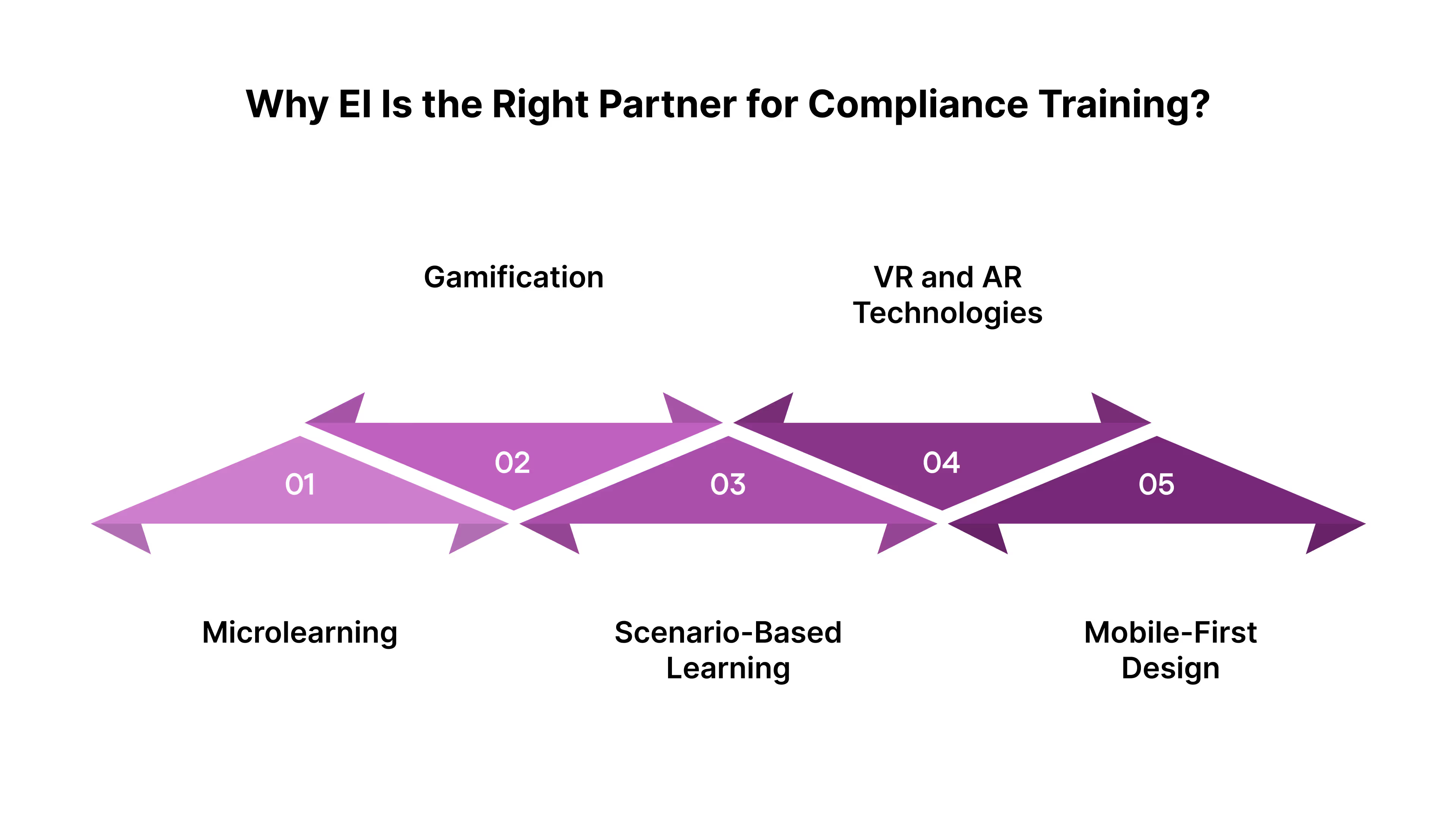
- Microlearning modules that simplify complex regulations into short, practical lessons employees can complete anytime, improving recall and retention.
- Gamification with points, badges, and challenges that keep learners motivated and make compliance fun instead of forced.
- Scenario-Based Learning places employees in real-world situations, helping them make better, more informed decisions under pressure.
- VR and AR Technologies recreate realistic settings, such as data breaches, ethical dilemmas, or safety incidents, for deeper experiential learning.
- Mobile-First Design that allows smooth access anytime, anywhere, even offline, making it ideal for hybrid and frontline teams.
EI blends innovation, scale, and deep compliance expertise to help organizations go beyond meeting regulations to build workplaces where responsible, values-driven behavior becomes second nature.
Final Thoughts
Compliance training is all about future-proofing your organization. When teams understand what compliance training is and why it matters, it shifts from being a checkbox activity to a culture of accountability.
When employees view it not as a restriction but as a framework that guides confident action, your organization moves from reactive protection to proactive growth. That’s when doing the right thing stops being a rule and starts becoming instinct.
At EI Powered by MPS, we create compliance training programs that are designed to be immersive, engaging, and impactful, helping employees truly understand why compliance matters.
With decades of experience across diverse industries, we’ve mastered the art of turning complex regulations into meaningful learning experiences that bring lasting behavioral change.
Ready to transform your compliance training from routine to remarkable? Get in touch with us today!
FAQs
Q1. How often should compliance training be updated?
A1. Ideally, compliance training should be reviewed at least once a year, or more frequently if new laws, policies, or risks arise. Regular updates make sure employees are always learning the most accurate and relevant information.
Q2. Who’s responsible for managing compliance training?
A2. Usually, the compliance officer or HR team leads the program. But managers and department heads also play a key role by reinforcing compliance practices in day-to-day operations.
Q3. What happens if employees miss compliance training?
A3. Skipping compliance sessions can put the company at risk of fines, policy breaches, or audit issues. That’s why many organizations make completion mandatory and tie it to performance reviews or audit checklists.
Q4. How can compliance training work for remote or hybrid teams?
A4. Opt for mobile-friendly platforms, bite-sized virtual lessons, and quick assessments that employees can complete from anywhere. This approach keeps remote and hybrid teams equally engaged and informed.
Q5. How can you measure the ROI of compliance training?
A5. Look beyond completion rates. Track improvements in audit scores, fewer policy violations, and faster incident resolutions. Then compare those results to program costs to measure real impact.

subscribing!
Related articles


.jpg)
.jpg)






.jpg)
