






.avif)

Why Simulation Training Is the Future of Corporate Training


When training is too theoretical, it often doesn’t stick. Simulation training provides structured, hands-on learning that helps build real-life skills in a secure environment. This article explores its growing relevance in corporate training and how organizations can apply it to meet changing learning needs.
What Is Simulation Training?
Simulation training is a form of experiential learning that replicates real-world scenarios for practice, learning, or assessment. It helps create real-world scenarios to enable individuals to practice specific tasks.
Over the years, it has undergone significant changes. Technological advancements such as computer-based simulations, virtual reality, and augmented reality have contributed to improve the effectiveness of simulation training. By providing immersive learning experiences that closely resemble the actual work environment, these technologies enable organizations to address specific learning objectives such as fostering practical skills, decision-making abilities, and teamwork to achieve more effective learning outcomes.
Why You Should Leverage Simulation Training
Incorporating simulation training with learning and development introduces new approaches that significantly impact engagement, retention, and cross-skilling that ultimately yield several benefits. The adaptability allows organizations to tailor experiences to specific learning objectives, catering to the unique needs of distinct roles within the company. This customization ensures that training aligns closely with organizational goals and individual development plans.
Simulations provide an engaging and immersive learning environment through realistic scenarios. This engagement is crucial for active participation and knowledge retention, as learners are more likely to remember and apply what they have learned in a dynamic, hands-on setting. Since simulations replicate real-world challenges and allow participants to practice and reinforce skills in a safe and controlled environment, they enhance retention and improve productivity.
Simulations also excel in cross-skilling. By offering diverse scenarios and challenges, simulation training helps learners broaden the required skill sets. This approach enables employees to better understand the roles and responsibilities and handle a range of situations efficiently.
Is Simulation Training Suitable for All Learners?
Simulation training can work well for a wide range of learners. Its flexibility allows it to support visual, kinesthetic, and auditory preferences by replicating real-life situations in a hands-on way. For those less comfortable with digital tools, features like tutorials, slower pacing, and layered challenges can make the experience more approachable and inclusive.
Top Benefits of Simulation Training
Simulation training provides realistic, technology-driven, and effective learning experiences, while offering a cost-effective alternative to traditional training approaches. There are a range of specific advantages that contribute to the widespread adoption of this training across industries.
Some of these benefits include:
- Realistic Learning Experiences:
It replicates actual work environments and scenarios, providing realistic learning experiences. This authenticity enhances the relevance of the training, allowing learners to engage in real-life situations that mirror the challenges they are likely to face in the workforce.
- New Technology:
The integration of new technologies, such as virtual reality (VR), augmented reality (AR), and advanced computer simulations, has significantly enhanced the effectiveness of learning and development programs. These technologies create immersive and interactive learning environments, offering a level of realism that traditional training methods may not achieve.
- Immediate Feedback:
Simulations enable immediate feedback, allowing participants to learn from actions in real-time. This prompt feedback loop helps learners understand the consequences of decisions, facilitating a faster and more effective learning process.
- Enhanced Knowledge Retention:
The hands-on, experiential nature enhances knowledge retention. Participants are more likely to remember information and skills acquired through active engagement and practical application, leading to better long-term retention compared to passive learning methods.
- Reduced Risk:
In high-risk industries such as aviation, healthcare, and defense, this type of training offers a safe and controlled environment for participants to practice without real-world consequences. This mitigates risks associated with training in actual settings and provides a cushion for individuals to make mistakes and learn from them.
- Measurable Outcomes:
Simulation training allows measurement of specific learning outcomes. Through data analytics and performance metrics, organizations can assess learners’ progress, identify areas for improvement, and tailor future training. These activities contribute to addressing specific learner needs and support continuous learning and development.
- Cost-Effectiveness:
It not only minimizes travel expenses but also accelerates learning, fostering a more immersive experience that reduces errors on the job. The quicker completion of training results in a more cost-effective process, getting learners to productivity faster and optimizing long-term returns on investment.
What to Look for in a Simulation Training Platform
When selecting a simulation training platform, consider these key features:
- Customizability: Ability to tailor scenarios to your industry, roles, and objectives.
- Interactivity: Engaging, decision-based experiences that promote active learning.
- Scalability: Support for multiple users, teams, and content updates over time.
- Data and Analytics: Built-in performance tracking, reporting, and feedback mechanisms.
- Integration: Compatibility with your LMS or broader learning ecosystem.
- Immersive Tech Support: Tools such as VR/AR or 3D environments for enhanced realism.
- Accessibility: User-friendly design for all learners, including mobile optimization.
Types of Simulation Training Methods
Simulation encompasses distinct types tailored to specific learning objectives and the nature of the tasks that individuals need to master. The choice of the simulation type depends on several factors, including learning objectives, the industry, the complexity of the tasks, and the available technology. A well-designed simulation training program integrates multiple types to provide a comprehensive and effective learning experience.
Some of the common simulation examples are:
- Live Simulations:
Real-time, interactive scenarios that replicate actual work situations. Learners engage with the simulation as it unfolds, making decisions and responding to dynamic challenges. Used in emergency response, military training, and business management.
- Computer-Based Simulations:
Replicate scenarios, allowing participants to interact with a virtual environment. These simulations can range from basic computer programs to sophisticated 3D simulations. Used for training purposes in healthcare, aviation, and manufacturing.
- Virtual Reality (VR) Simulations:
Create fully immersive environments using virtual reality technology. Learners wear VR headsets to experience scenarios as if they were physically present. Used in healthcare, where surgeons can practice procedures, and aviation, where pilots can undergo realistic flight training.
- Augmented Reality (AR) Simulations:
Overlay digital information onto the real-world environment, enhancing participants’ perception of surroundings. This approach is valuable for tasks that require real-time data integration. Used in maintenance and repair simulations, providing technicians with on-the-job guidance.
- Scenario-Based Simulations:
Present learners with specific situations and challenges. Learners navigate through scenarios, making decisions and solving problems. Used in developing decision-making skills and crisis management.
- Role-Playing Simulations:
Involve participants taking on specific roles within a scenario to help practice communication and interpersonal interactions in a controlled setting. Used in interpersonal skills training, such as customer service or negotiation.
- Serious Games:
Designed as interactive, engaging games with learning purposes, often incorporating elements of competition, collaboration, and problem-solving. Used to make learning enjoyable and effective.
- Hybrid Simulations:
Combine different approaches to create a comprehensive learning experience. Used in training programs that include both theoretical and practical learning.
- Tabletop Exercises:
Involve learners discussing and walking through a simulated scenario, often using maps, charts, or other visual aids. Used in emergency response and crisis management training.
Key Applications of Simulation Training
The evolution in this type of training has helped expand its applications and provide valuable learning experiences across industries.
Some of the examples adopted across industries are as discussed below:
- Learning and Development: Trainers use classroom simulations to create interactive learning experiences, allowing learners to apply theoretical knowledge in practical scenarios. Similarly, simulations for trainers help them practice classroom management, training techniques, and learner engagement strategies.
- Business and Management: Executives and managers participate in business strategy simulations to develop strategic thinking, decision-making, and leadership skills. Team building simulations help improve collaboration, communication, and problem-solving skills.
- Manufacturing and Industry: Industrial workers use process simulations to practice operating and troubleshooting manufacturing processes in simulated environments, reducing the risk of errors and accidents. Equipment operation simulations help heavy machinery operators enhance skills in a safe and controlled setting.
- Healthcare: Using medical simulations, healthcare professionals practice medical procedures, surgeries, and patient care in realistic simulated environments, which helps improve skills and decision-making abilities. Simulations with lifelike mannequins mimic patient scenarios, allowing healthcare practitioners to refine clinical skills and communication.
- Aviation: Pilots use sophisticated flight simulators to replicate real-world flying conditions, enhancing skills in several types of situations, including emergencies. Air traffic control simulations help air traffic controllers practice how to manage traffic and respond to different situations in a controlled environment.
- Military and Defense: Military personnel engage in combat simulations to hone tactical skills, practice teamwork, and evaluate strategic decision-making. With vehicle simulations for tanks, aircraft, and other military vehicles, operators can gain realistic training.
- Emergency Response: The disaster response simulations replicate the challenges of real-world crises to enable emergency responders to practice managing disasters, such as earthquakes or floods. Similarly, firefighter simulations help train firefighters for various fire scenarios, including building fires and hazardous material incidents.
- Construction and Engineering: Construction workers can use construction site simulations to train for various tasks and safety procedures in simulated construction site environments. Using engineering design simulations, engineers can test and refine designs before physical construction, reducing errors and optimizing efficiency.
- Customer Service: Customer interaction simulations can help customer service representatives practice handling various customer interactions, complaints, and inquiries in a simulated setting. Using sales simulations, teams can negotiate better and improve sales techniques.
- Cybersecurity: IT professionals practice responding to cyber threats and attacks in realistic simulations using cybersecurity simulations that help them enhance the ability to safeguard digital systems and networks.
New Technologies and Approaches
New technologies and approaches, especially in virtual reality (VR) and immersive learning, have revolutionized the learning and development landscape. The advancements in VR and immersive learning contribute to more effective, engaging, and realistic training experiences across a wide range of industries. As technology continues to evolve, the potential for innovative applications in learning and development continues to expand.
Some of the key advancements in VR and immersive learning include:
- Virtual Reality (VR)
- Head-Mounted Displays (HMDs): Make immersive experiences accessible by providing users with a 360-degree virtual environment and enhancing the sense of presence and immersion.
- Hand Tracking and Controllers: Enable users to interact with virtual environments more naturally, allowing for precise movements and interactions within the virtual space and enhancing the overall immersive experience.
- Room-Scale VR: Allow users to move freely within a physical space while being tracked in the virtual environment. This capability enhances immersion by enabling users to explore and interact with virtual surroundings more dynamically.
- Immersive Learning
- 360-Degree Videos and Photos: Allows learners to explore real-world environments and scenarios, offering a more immersive perspective without the need for VR headsets.
- Augmented Reality (AR): Overlays digital information onto the real world, enhancing the learner’s physical environment.
- Spatial Audio: Provides realistic soundscapes that correspond to the learner’s position within the virtual or augmented space. This contributes to a more authentic and immersive experience.
- Simulation-Based Training
- Simulated Environments: Create realistic simulated environments to help individuals practice in a risk-free virtual setting.
- Interactive Learning Scenarios: Allow learners to enhance critical thinking and make decisions to see the consequences play out in real-time.
- Adaptive Learning Platforms
- Personalized Learning Paths: VR and immersive learning platforms can adapt to individual learner needs, providing personalized learning paths based on performance and preferences. This ensures that training is tailored to each learner’s pace and proficiency level.
- Data Analytics: Help track learner progress, identify areas for improvement, and measure the effectiveness of training programs. This data-driven approach supports continuous improvement and optimization of training content.
- Collaborative Learning
- Multi-User VR Environments: Support multi-user interactions to enable collaborative learning experiences. Learners can engage with each other in the virtual space, fostering teamwork and communication skills.
- Remote Training: Facilitates remote training scenarios where participants are geographically dispersed but can still connect in a shared virtual environment.
Implementing Simulation Training
For successful implementation and realization of effective learning outcomes, organizations must adopt a systematic approach. Achieving success in this approach to training also requires open communication and close collaboration between instructional designers, subject matter experts, and technology specialists to create a dynamic and impactful learning experience.
Some of the practical strategies for implementing this training include:
- Needs Analysis: Conduct a thorough needs analysis to identify specific skills or scenarios that simulation training can address. Understand the learning objectives and performance gaps that simulations will help bridge.
- Clear Learning Objectives: Define learning objectives and outcomes that align with the broader organizational goals. This will help ensure that simulation training contributes directly to desired outcomes.
- Appropriate Technology: Choose the right technology for the training context. Consider whether virtual reality, computer-based simulations, or other immersive tools best suit the learning objectives and available resources.
- Realistic Scenario Design: Design scenarios that closely replicate real-world challenges. Ensure these scenarios are relevant to employees’ roles and provide opportunities for applying theoretical knowledge in practical situations.
- Interactive Elements: Incorporate interactive elements within simulations. Enable learners to make decisions, solve problems, and actively engage with the virtual environment.
- Integration with Curriculum: Seamlessly integrate this training into the broader curriculum or learning strategy. Ensure alignment with other learning activities to create a cohesive and comprehensive learning experience.
- Learner Preparation: Ensure learners receive adequate preparation and orientation before engaging in the training. This may include familiarizing them with the technology, explaining the learning objectives, and setting expectations for the training experience.
- Facilitator Training: Provide comprehensive training for facilitators or instructors who will guide learners through the simulation. Facilitators should possess a strong understanding of both the technology and the specific learning objectives to effectively support the learners.
- Feedback Mechanisms: Implement immediate and constructive feedback mechanisms. This allows participants to learn from actions in real-time, reinforcing positive behaviors and correcting errors.
- Assessment and Evaluation: Establish clear criteria for assessing learners’ performance within simulations. Regularly evaluate the effectiveness of the training through assessments, surveys, and feedback loops to identify areas for improvement.
- Continuous Improvement: Foster a culture of continuous improvement by collecting and analyzing data on training outcomes. Use this data to refine scenarios, update content, and enhance the overall effectiveness of the training over time.
- Scalability and Adaptability: Design training that is scalable and adaptable. Consider the potential for future expansion or modification to accommodate changes in organizational needs or advancements in technology.
How to Build a Custom Simulation Training Program
Creating a simulation program starts with identifying clear learning objectives and skill gaps. Once these are defined:
- Collaborate with SMEs and Designers: Partner with subject matter experts and instructional designers to create realistic scenarios.
- Choose the Right Tools: Select platforms and technologies aligned with your goals. This might include VR, AR, or branching role-plays.
- Pilot and Refine: Test the simulation with a small group, gather feedback, and refine based on learner responses.
- Track and Optimize: Use analytics to evaluate learner performance and continuously improve the training.
Overcoming Implementation Challenges
Implementing simulation training comes with its own set of challenges. These may include high initial cost of technology, potential resistance to organizational change, and the need for comprehensive facilitator training. Technical issues and limited resources can also impede the smooth execution of simulation training programs.
To overcome these challenges, organizations can adopt phased implementation strategies that help manage costs, communicate the benefits of the training to address resistance, and establish robust technical support systems. Providing ongoing professional development for facilitators, creating standardized guidelines for simulation design, and carefully integrating simulations into existing curricula can help overcome these hurdles. Additionally, aligning assessment criteria with learning objectives and emphasizing the long-term advantages of simulation training can ensure successful implementation and maximize the impact of immersive learning experiences.
It offers immersive and experiential learning experiences that have a profoundly positive impact on learners, organizations, and industries. Learners can practice and refine skills in a safe yet realistic environment, which helps improve confidence and competence. The interactive nature of simulations enhances engagement and knowledge retention, which enables learners to apply theoretical knowledge to practical scenarios.
Simulation training is a valuable tool for organizations, aiding in the improvement of productivity and decision-making skills. Industries particularly benefit from a more skilled and adaptable workforce, especially in sectors with high-risk environments such as healthcare, aviation, and emergency response. The risk-free nature of the training allows organizations to address complex challenges and scenarios, leading to enhanced preparedness and operational excellence. Overall, simulation training has a transformative impact, aligning learning outcomes with organizational goals and contributing to a culture of continuous improvement.
Examples of Simulation Training
- An Immersive Game for Petrochemical Employees
Background:
A multinational oil and gas company needed its employees to understand the complexities of the petrochemicals industry, including the interconnectedness of manufacturing and sales, while prioritizing sustainability and safety. Traditionally, a face-to-face board game was used as part of the Introduction to Petrochemicals training, but this method limited accessibility due to travel costs and time constraints.
Solution:
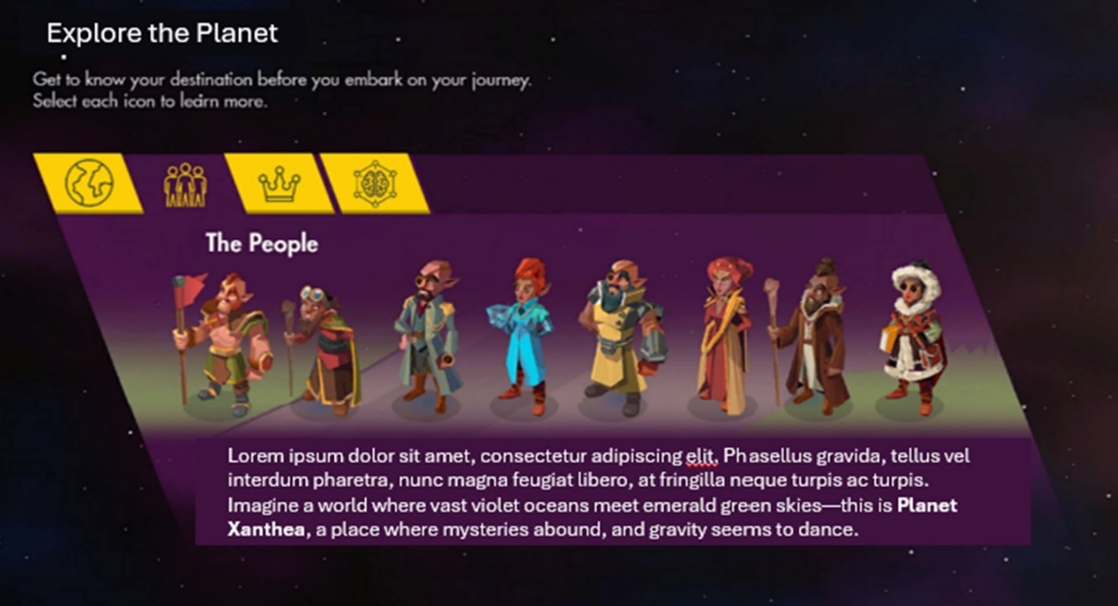
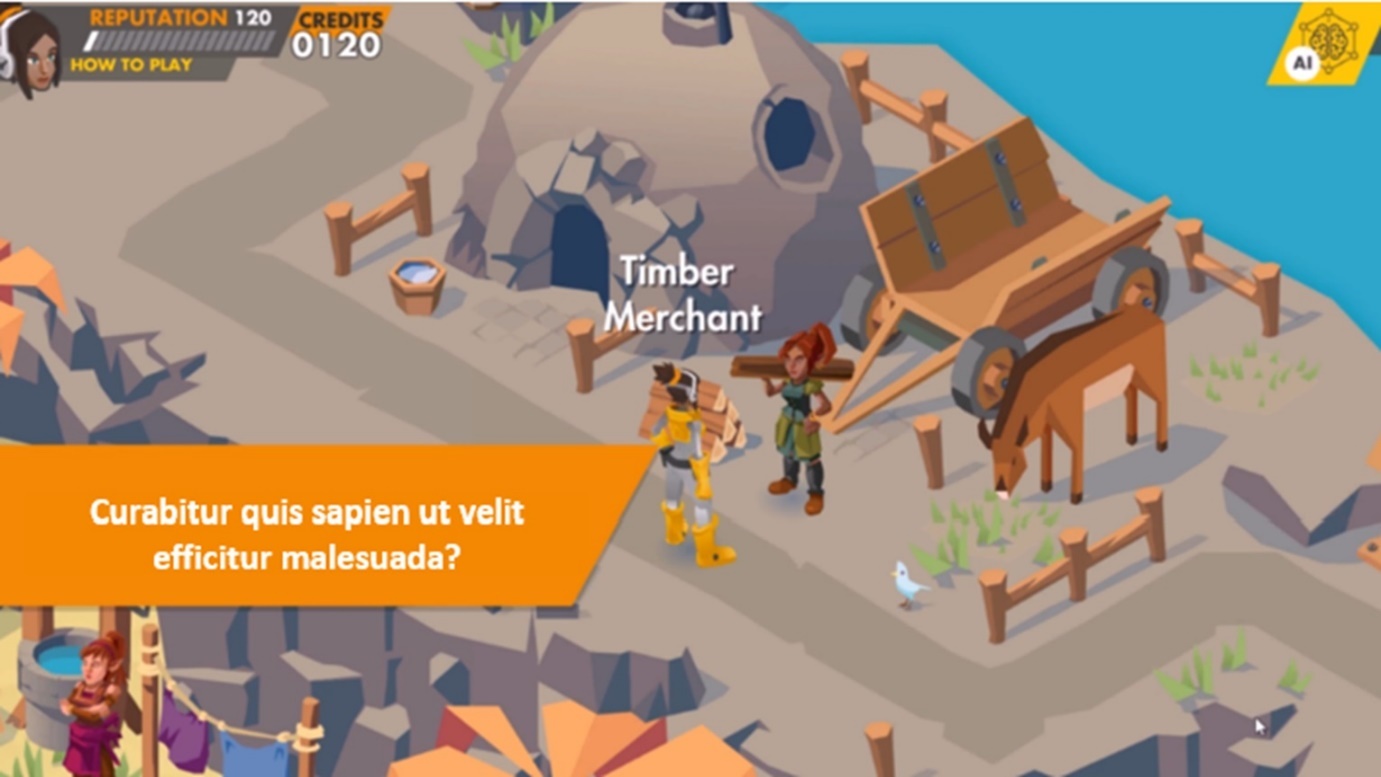
The digital adaptation of the existing board game, known as the “Ambassador Game,” leverages a simulated environment – a fictional planet – to provide learners with a realistic and immersive experience. Within this simulated world, players assume the roles of Ambassadors, tasked with gathering crucial information and making impactful decisions related to the hypothetical establishment of a Chemicals facility. This gamified approach not only mirrors real-world challenges but also offers a safe space for experimentation and learning from potential missteps, aligning with the principles of realistic learning experiences and reduced risk.
Impact:
Switching to a digital game-based format resolved accessibility issues, allowing more employees to engage with training. The Ambassador Game uses an immersive storyline, character dialogues, and mini games to boost knowledge retention. Feedback showed 89% of participants found the game reinforced onboarding knowledge. The digital approach also reduced travel and physical resource costs, highlighting its cost-effectiveness.
Example 2: AR- and VR-Based Technical Training
Background:
To remain competitive and address industry needs, a community college sought to enhance its Mechatronics Engineering Technology credential curriculum, preparing students for technician roles in industries reliant on electrical, mechanical, and computer skills. This credential featured a system that simulated a highly automated production line. The existing passive teaching methods like lectures and observation fell short, leading to challenges such as limited student engagement, reduced comprehension of complex concepts, and insufficient development of practical troubleshooting skills.
Solution:
To address these challenges, the college partnered with EI to create 3 main modules:
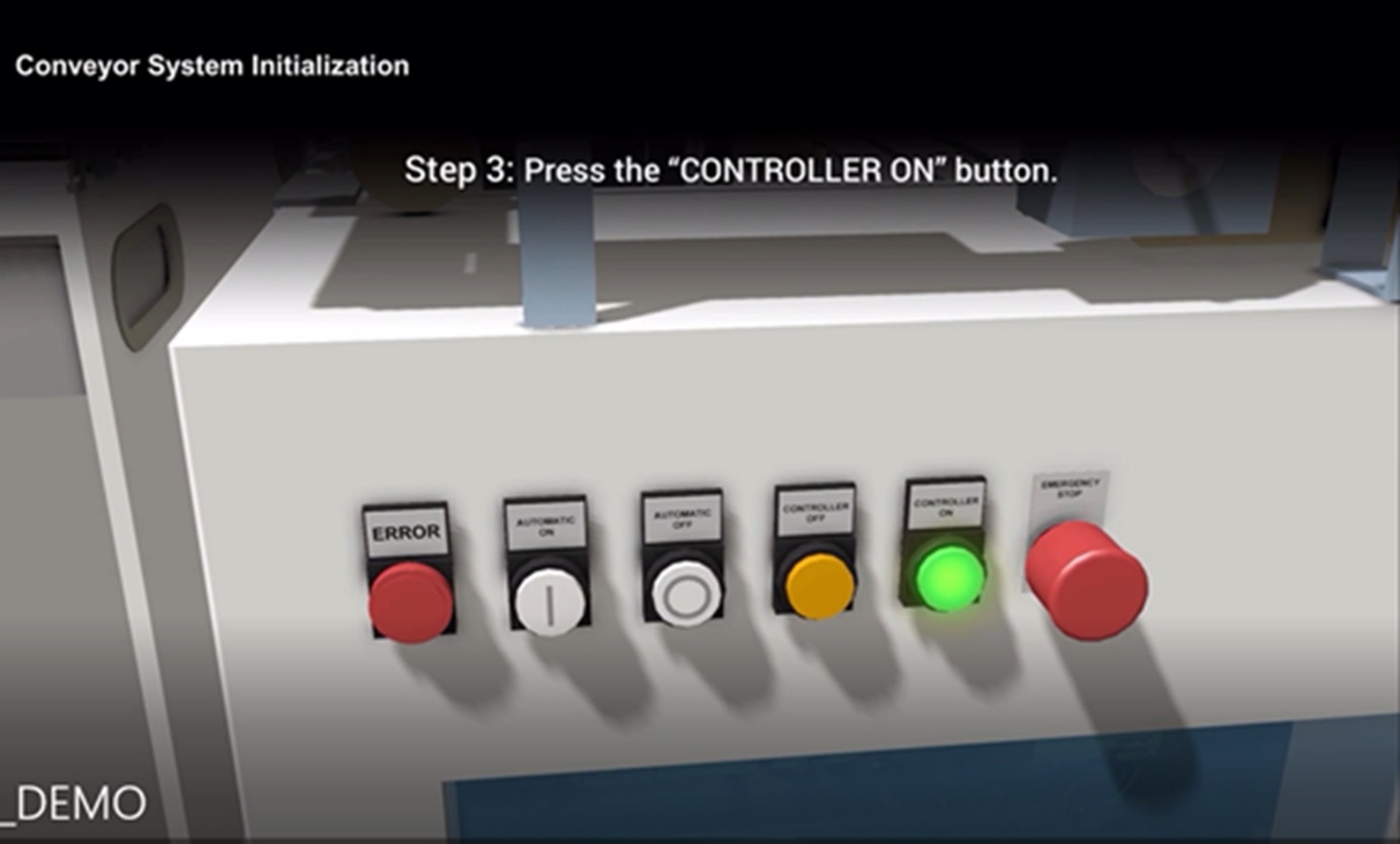
- Familiarize (AR): This module employs AR technology to provide an interactive overview of the system. Students can explore how different stations interconnect, investigate components, and review processes at their own speed. This self-guided approach encourages realistic learning experiences where students interact with a virtual representation of the system.
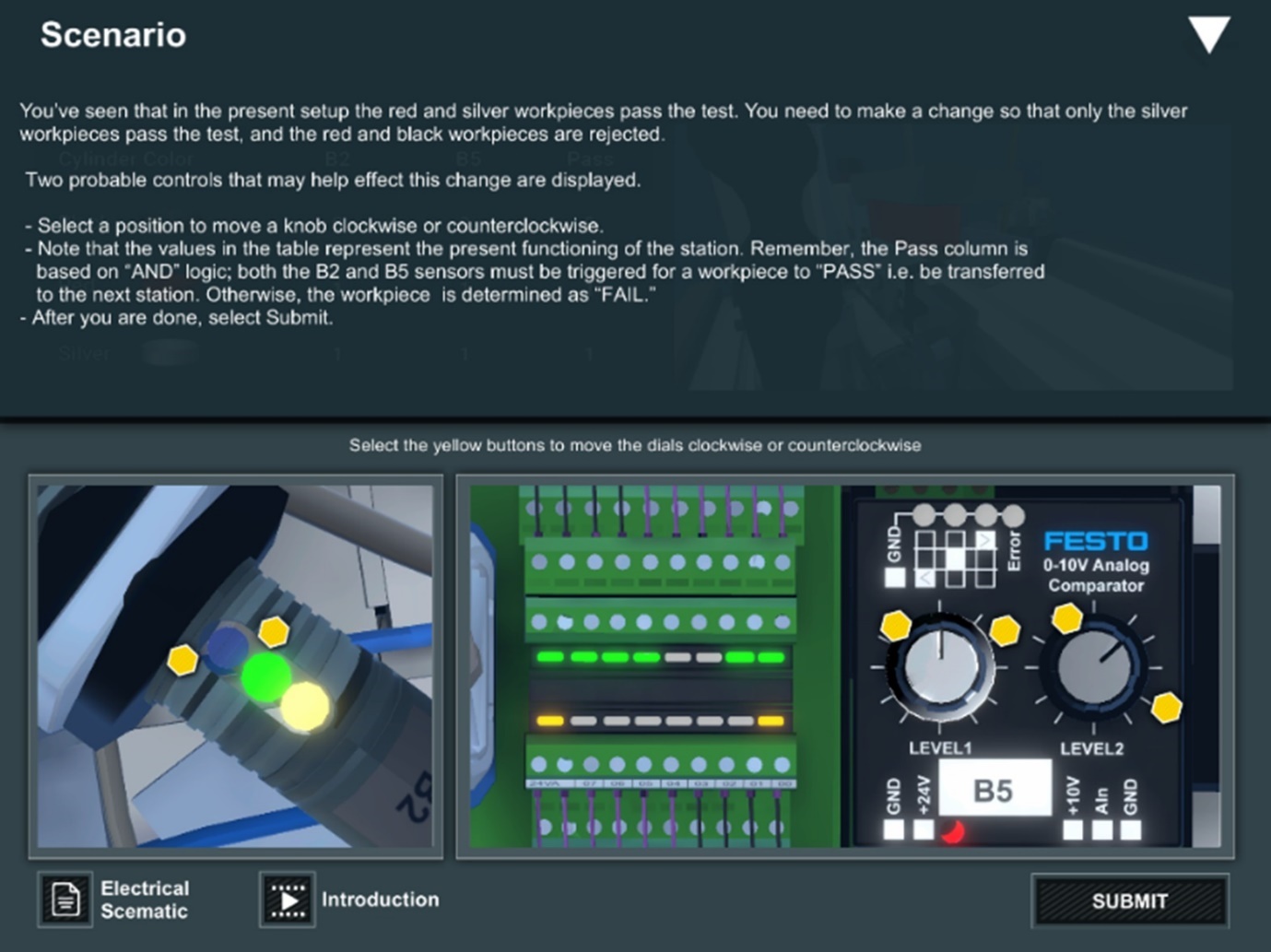
- Solve (VR): The VR module provides a risk-free environment for students to practice troubleshooting skills. Students diagnose problems and identify faulty components through various scenarios, learning from their mistakes without the pressure of real-world consequences. This safe setting fosters risk-free skill development.
- Create (AR): Building on previous modules, this AR module deepens understanding of the system’s logic and adaptability. Students tackle challenges that test their ability to make modifications, observe outcomes, and analyze results. This hands-on interaction enhances knowledge retention and clarifies system functionality.
Impact:
The introduction of these AR/VR modules significantly enhanced student engagement while offering a safe environment to explore the system and tackle troubleshooting tasks without fear of real-world consequences. Moreover, the AR/VR modules were designed to be mobile-first, allowing all students to learn at their own pace and revisit material as needed.
Example 3: AI-Based Roleplay for Difficult Conversations
Background:
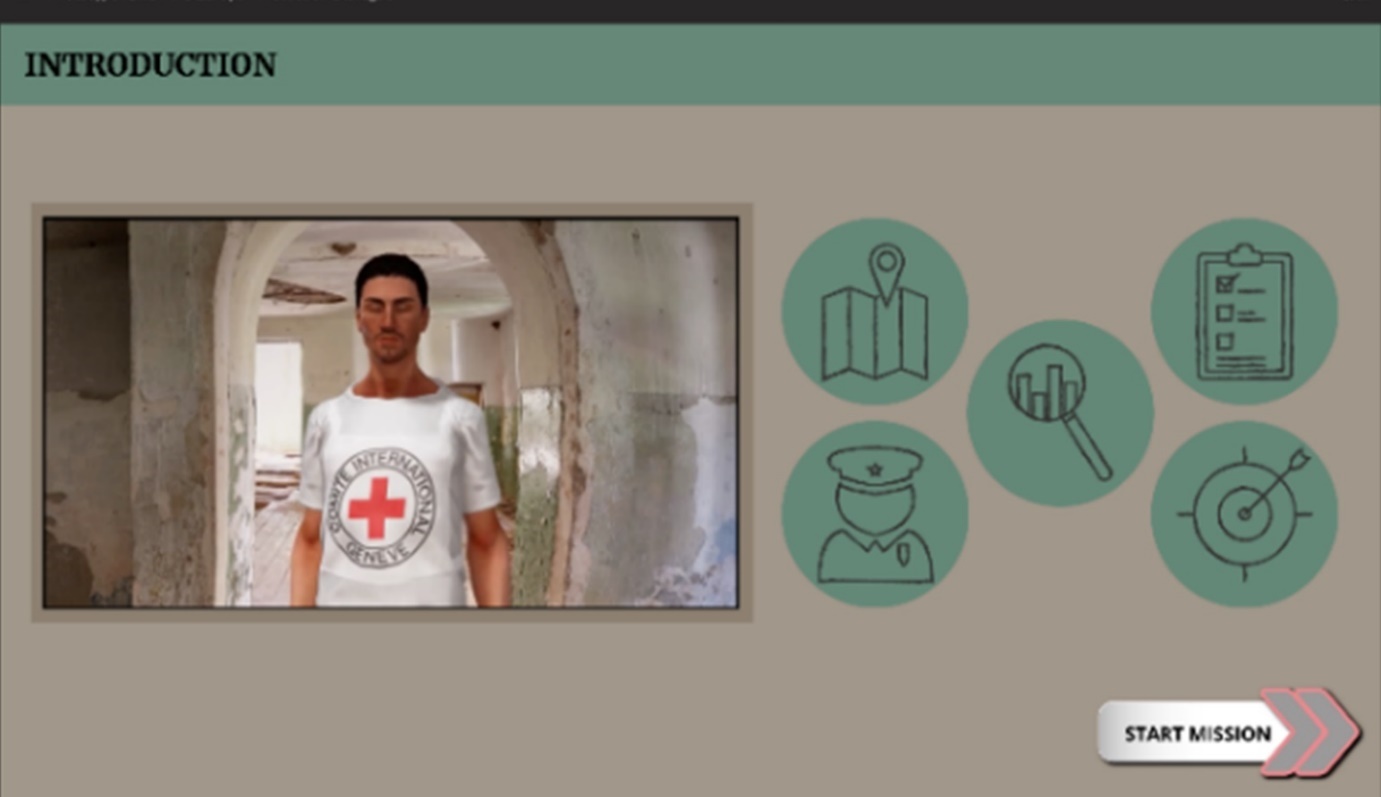
Aid workers from a prominent humanitarian organization were facing challenges when engaging with non-state armed groups (NSAGs). These critical dialogues are vital for ensuring worker safety and accessing vulnerable populations. Previously, training for these conversations was informal and lacked structure, leaving workers unprepared for real-time decision-making in urgent situations.
Solution:
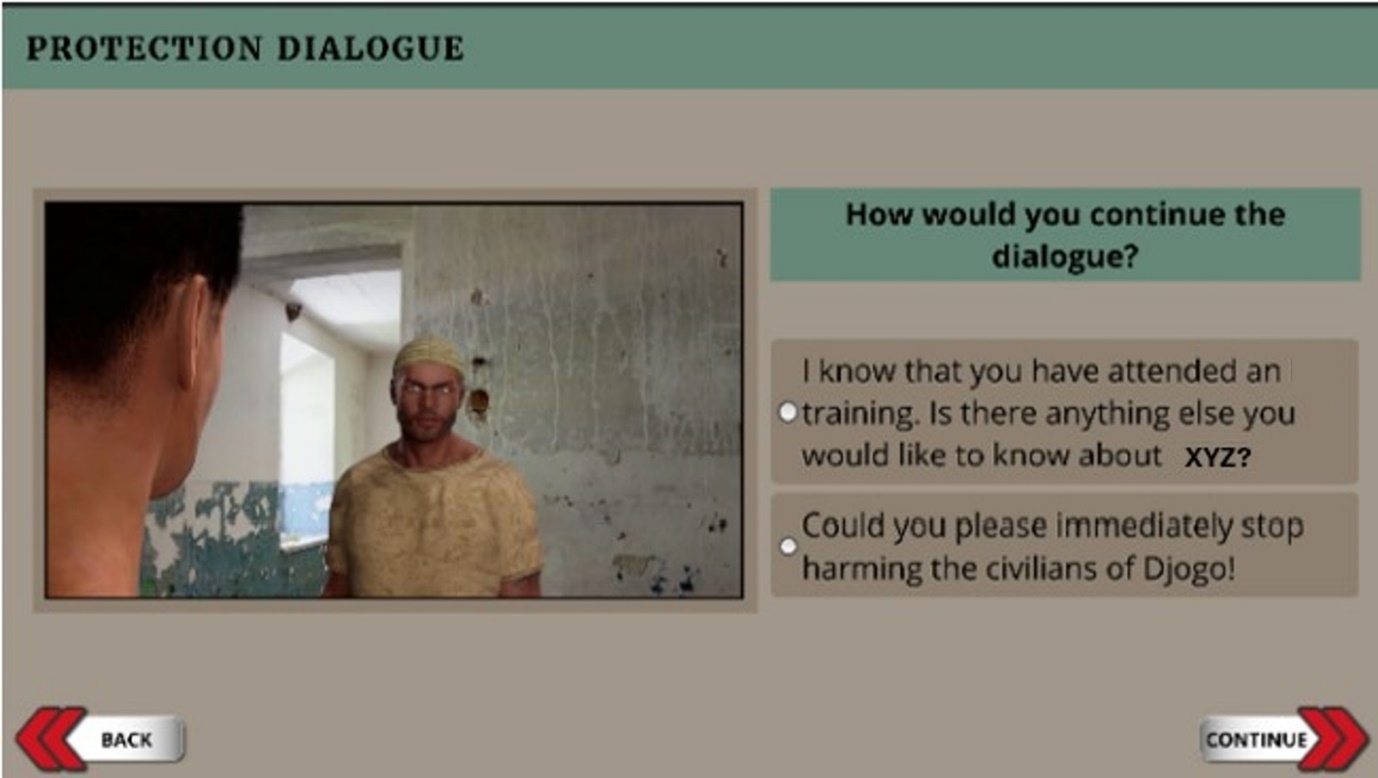
An AI Roleplay solution was recommended, a cutting-edge technology that creates structured conversation scenarios for dialogues with NSAGs. This branching roleplay approach helps avoid unplanned responses, allowing workers to practice realistic simulations. Participants engage with NSAG inquiries, honing skills to efficiently communicate humanitarian goals in a non-threatening manner.
Key features of the AI Roleplay include:
- Live AI Avatars: Adding a human touch to the interaction.
- Realistic Practice: Allowing workers to gain confidence in handling challenging questions.
- Branching Paths: Providing various outcomes based on choices, reflecting real-life unpredictability.
- Feedback and Guidance: Offering strategies to refine dialogue, addressing both personal safety and humanitarian objectives.
Impact:
The use of AI Roleplay yielded significant improvements in training and operational effectiveness including increased worker safety due to reduced misunderstandings and improved collaborations with local groups, thereby facilitating increased access and delivery of aid.
Conclusion
Simulation training plays a transformative role by providing realistic, interactive, and effective learning experiences for employees, contributing to improved performance and skill development. It allows learners to practice and refine skills in a controlled environment, leveraging advanced technologies such as virtual reality and augmented reality to create lifelike scenarios.
Simulation training leverages advanced technologies, such as virtual reality and augmented reality, to create lifelike scenarios. It offers the flexibility to tailor simulations to specific learning objectives and create a positive impact on engagement, retention, and cross-skilling. As a result, simulation training has evolved into a key component in the learning and development function across industries. Despite its benefits, simulation training poses implementation challenges. Creating practical strategies can help organizations overcome the common implementation challenges of simulation training, and benefit from the immense potential of simulation training.
By exploring and adopting simulation training in learning and performance, organizations can create a dynamic and impactful learning environment that enhances performance and contributes to the overall success of learning and development initiatives. Organizations may consider starting with pilot programs or smaller-scale implementations before scaling up. This allows for testing, gathering feedback, and refining the simulations before a full-scale rollout. Engaging key stakeholders, including subject matter experts, facilitators, and end-users, in the design and implementation process can ensure simulations accurately represent real-world scenarios.
Simulations as the Catalyst for Rapid Skill Mastery
Download our latest research brief to see how organizations are leveraging AI-powered analytics for L&D measurement. Learn how modern platforms and the NexGen ROI Model help align training outcomes with business goals, predict skill gaps, and drive measurable impact.
Frequently Asked Questions
- What is simulation training in eLearning?It’s a way to let people practice real-life situations in a digital format. Learners go through scenarios that reflect their actual work, helping them build skills and confidence in a safe space.
- How does it improve learning?People learn better when they can apply what they’re learning. Simulations make training more practical by letting learners experience tasks and challenges they’re likely to face on the job.
- How can we tell if it’s effective?Check how learners perform in the scenarios, gather feedback, and track completion. It also helps to see if those skills are showing up in daily work or being mentioned in team check-ins.
- What do employees gain from it?They get a chance to try things out, solve problems, and learn from mistakes without real-world risks. This builds confidence and helps them feel more prepared for their roles.
- Can it be used across large teams?Yes, simulation training can be customized for separate roles and scaled across teams, departments, or locations. It’s a flexible option that can grow with your training needs.

subscribing!
Related articles


.jpg)
.jpg)





.jpg)
