






.avif)

How to Leverage Virtual Reality (VR) in Learning
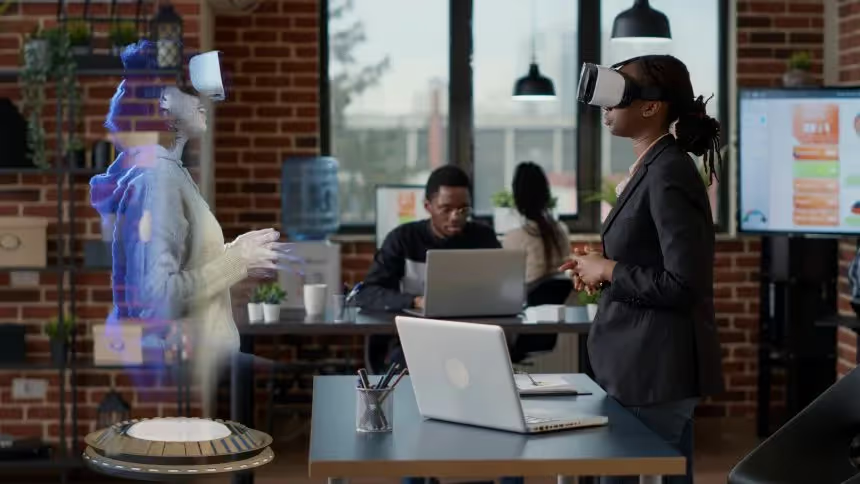

The use of virtual reality in training helps learners excel in a dynamic workplace and thrive in an ever-evolving world. Is your organization ready to embrace VR? In this article, we’ll explore the use of virtual reality in training and its potential impact on the learning landscape.
What Is Virtual Reality in Training?
Virtual reality (VR) training is a revolutionary approach that creates an immersive environment to capture learners’ attention and ensure they retain information to the maximum level possible. Using skill demonstrations in real-life scenarios, VR avoids some of the shortcomings of other online training that is based on passive content. This approach combines virtual face-to-face lectures with instructors and self-paced learning with the help of tools like simulations and gamification. Therefore, virtual reality in training not only enhances learning transferability but also ensures learners’ competency to solve problems in a real environment.
Benefits of Virtual Reality in Training
The use of VR in training saves time and money, while also delivering improved learning outcomes. It allows learners to experience immersive and interactive simulations of real or imagined environments. VR has many other benefits in the context of learning, such as:
- VR can increase engagement and motivation by providing learners with a sense of presence and agency in the virtual world.
- It can enhance retention and recall by creating memorable and emotional experiences that activate multiple senses and different regions of the brain.
- The technology facilitates experiential and situational learning by enabling learners to practice skills and apply knowledge in realistic and relevant contexts.
- Its usage can foster collaboration and communication by allowing learners to interact with their peers, instructors, or virtual characters in the same or different locations.
- VR can support personalized and adaptive learning by offering learners choices, feedback, and guidance, based on their preferences, performance, and progress.
These are only some of the benefits of virtual reality in training. VR is a powerful and promising tool that can transform education and learning in the 21st century.
Difference Between VR, XR, AR, and MR
Before getting into the use of different types of realities for training and learning, we should understand how VR, XR, AR, and MR differ from one another.
Virtual Reality (VR)
Virtual reality is a simulation process that involves the complete replacement of a real environment, often accomplished by wearing specialized headsets. As with real-life training, this technology is uniquely useful for situations where sensory cues are important, such as flying an airplane or performing a surgery. By leveraging graphic and auditory cues, VR can teach a task or technique and build confidence in the learner’s competency without the dangers of actual practice.
Augmented Reality (AR)
Augmented reality (AR) adds digital content over the physical environment and provides learners with contextual information that makes the training process more engaging. This technology is especially helpful for practical training because it enables learners to visualize models of what they are learning, for instance, machines or the human body in real time. Blending physical and virtual elements helps learners see how theory applies to practice.
Mixed Reality (MR)
Mixed reality (MR) is generally defined as the integration of real and virtual objects in a way that allows interaction to occur in real time. This is especially handy in collaborative or group training activities where participants can make use of physical as well as virtual materials at the same time. MR enables teams to perform in new and challenging ways and encourages people to learn more about the topic through interactive scenarios that blend reality with virtual enhancements.
Extended Reality (XR)
Extended reality (XR) is an umbrella term for immersive technologies like VR, AR and MR. XR is versatile in its approach to use and applicability for learning and training in different environments, thus suitable for any field. Combined with the strength of the other technologies, XR offers a kind of holistic solution that improves the learners’ experiences, encourages communication, and suits a wide range of training.
Virtual Reality and the Modern Learner
The use of virtual reality (VR) in training has revolutionized the learning process for modern learners. It enables employees to develop and improve their skills of communication, collaboration, leadership, and creativity. In today’s fast-changing workplace, VR provides a safe and immersive environment for learning new tasks and tackling challenging or risky scenarios. Embracing virtual reality in training empowers learners to thrive in today’s dynamic workplace and helps them stay ahead in an ever-evolving world.
The bigger question, however, is: Is your organization ready to embrace VR? The following are areas to consider when planning to implement VR:
Organizational Readiness and Virtual Reality
Virtual reality (VR) is an immersive technology that has revolutionized training, but requires careful consideration. Before adopting VR for training, here are the key steps to help you create a plan for implementing VR:
- Time and Resources: VR training takes longer to develop than traditional methods of training. Assess your timeline and scope realistically. If you have limited resources, consider outsourcing or using existing VR solutions.
- Budget and ROI: VR training provides innovative approaches to learning. Consider the initial costs due to hardware and maintenance. Analyze the budget and ROI compared to other options, including ongoing content updates. ROI can be measured more quickly with VR as opposed to traditional training methods.
- Workforce Familiarity: Provide support towards your team’s VR literacy and comfort with the technology.
- Industry Alignment: Research how your industry uses virtual reality in training and learn from others’ experiences.
- Topic Suitability: Evaluate whether VR aligns with your training objectives. –VR training can be more suitable for some topics than others, depending on the learning objectives and outcomes. You should evaluate how VR can add value to your training topic. Ask whether VR’s capabilities can address the topic objectively, and how it can support the cognitive, effective, and psychomotor domains of learning.
- Metrics and Evaluation: Determine the metrics you want to measure, and ensure you have the tools and skills to analyze the VR data.
- Integration with Existing Training: Explore how virtual reality in training can complement or supplement your current learning methods.
By addressing these questions, you can determine your organization’s readiness and make informed decisions to harness the full potential of VR for your training needs.
How Do You Implement Virtual Reality?
The successful usage of virtual reality in training requires careful planning, execution, and evaluation. Keep sessions short, limit exercises to 20 minutes, and encourage breaks to prevent virtual fatigue. Ensure access to suitable hardware and provide training exercises and user guides to boost confidence. Perform comprehensive risk assessments for employee safety.
Additionally, VR’s data collection capabilities offer insights that can be used to optimize the training. A well-planned VR training approach can revolutionize learning by enhancing learners’ skills and overall performance. Leveraging VR’s immersive power creates a more efficient and impactful training landscape, contributing to long-term growth and success through virtual reality in training.
Real-world Applications of Virtual Reality in Training
Virtual reality in training is effective for a broad range of learning scenarios across workplaces. Organizations worldwide are already leveraging virtual reality in training to improve safety, efficiency, and knowledge retention. Here are some real-world workforce applications of VR in learning:
High-complexity Learning:
VR is ideal for high-complexity training, providing scenarios that are nearly impossible to recreate in the real world. For instance, training astronauts would be costly and challenging in the real world – but is a suitable match for VR execution.
Institutional Knowledge Transfer:
VR facilitates institutional knowledge transfer by capturing the expertise of retiring workers. Companies can preserve valuable knowledge and even use VR to teach customers how to use products effectively.
Healthcare:
One of the most promising use cases of high-risk training is in the healthcare industry, where learners are exposed to potentially dangerous situations. For example, doctors can learn complex surgeries without endangering patients.
Manufacturing and Automotive:
Given the complexity of manufacturing environments today, even slight errors in worker judgment might have serious repercussions, including brand destruction, loss of client confidence, and financial impact – such as mass recalls of automobiles. VR can train factory workers, automotive assembly-line workers, and manufactured component installers and equip them with the industry best practices.
Aviation:
Given the high stakes involved in air travel, VR is proving itself as an able training aid in the aviation industry. For example, pilots can practice flying in flight simulations, perfecting their skills in real life-like situations. Service staff, on-ground and in-flight, also learn and practice working in VR-simulated high-stress, customer-centric situations.
Soft skills Training:
VR also proves itself valuable for soft skills training, as it simulates real-life scenarios with facial expressions and body language. Employees can practice and develop skills, like active listening, conflict resolution, and negotiation, in a safe and realistic virtual environment. The use of VR in soft skills training can foster enhanced empathy among employees by exposing them to unique, immersive scenarios that would otherwise remain beyond their reach.
Safety Training:
Workplace accidents cost lives and reputational damage. Professional tradespeople, like utility workers, can train safely with VR to acquire the necessary skills to prevent accidents and improve safety records.
Insights on How to Create a Business Case for Virtual Reality
Before implementing virtual reality in training in the workplace, develop a comprehensive business case that outlines the potential benefits and considerations. A well-structured business case helps assess the feasibility and impact of adopting VR for training purposes. This analysis includes evaluating performance improvements, investment costs, cost savings, and critical considerations for successful virtual adoption.
Key Points in the Business Case
Performance Improvements:
VR training offers a highly immersive and interactive learning experience, leading to enhanced engagement and knowledge retention among employees. It enables learners to apply their skills in a risk-free environment, resulting in improved performance and competency.
Investment Costs:
While there is an initial cost to implement VR training, the long-term benefits far outweigh them. Properly assessing the investment costs helps organizations understand VR’s role in employee development, increased productivity, and organizational growth.
Cost Savings:
VR training presents cost-saving opportunities by eliminating travel expenses and reducing administrative time. Additionally, the absence of repeat trainer fees, as employees can revisit trainings as and when needed, contributes to a further reduction of costs.
Considerations for Virtual Adoption:
Implementing VR training requires the careful consideration of various factors, such as the availability of suitable hardware, and providing adequate training to increase employees’ confidence in using the technology. Conduct a thorough risk assessment first, to ensure safe training, and address potential challenges associated with VR adoption.
The business case for VR training is the foundation for successfully implementing VR and securing support from key stakeholders. By showcasing performance improvements, cost savings, and org-wide productivity gains, organizations can make informed decisions that lead to a transformative and effective virtual reality in training experience. When positioned strategically, virtual reality in training becomes a long-term driver of employee engagement and organizational performance.
Costs of Implementing Virtual Reality in Learning
Introducing virtual reality in training offers cost-effective solutions for businesses but comes with upfront – sometimes significant – investments. Key costs include:
- Hardware: Such as devices like HTC VIVE and Oculus Quest. Falling unit prices of hardware make it more viable to integrate VR into learning today.
- Software: Software expenses vary based on sophistication, with platforms like Future Visual’s VISIONxR™ offering options to suit budgets.
- Ongoing costs: Additional ongoing costs include annual platform fees, user licenses, and integration with HR systems.
- Course-related costs: Course planning and content development demand resources to define objectives, structures, and the learning content. It also requires ongoing costs for updates and relevance.
Despite the initial investment, well-executed VR training brings efficiency gains and improved learning outcomes. Businesses must carefully assess costs to make informed decisions on adopting VR training programs.
Challenges of Integrating VR into Training Programs
While the benefits of virtual reality in training are substantial, organizations also face several challenges in adoption. High upfront costs for hardware, software development, and content creation often act as the first barrier. Beyond cost, VR requires significant technical expertise for setup, integration with existing LMS systems, and regular maintenance to ensure a seamless experience. Some learners may also experience VR fatigue or discomfort, which means training sessions must be designed thoughtfully.
Scalability is another challenge. Piloting VR with small groups is manageable but rolling it out organization-wide demands robust infrastructure and long-term content update strategies. Additionally, not all topics are suitable for VR, making it essential to carefully evaluate where immersive technology truly adds value. By anticipating these hurdles and building mitigation strategies, such as blended approaches, phased rollouts, or leveraging off-the-shelf VR content, organizations can make the transition smoother and maximize VR’s impact.
Virtual Reality and Learning Effectiveness
Virtual reality in training is highly effective and offers advantages over in-person or online learning.
Consider these results from a study performed by the consulting firm PwC:
- 40% of the virtual learners reported an increase in confidence compared to classroom learners. Moreover, 35% of them showed an improvement in being able to apply what they learned after undergoing training in a VR environment.
- When it comes to large-scale learning, VR learning is the most cost-effective method. With 375 learners, VR training achieved cost parity with classroom learning. With 1,950 learners, VR training achieved cost parity with e-learning. And with 3,000 learners, VR costs become 52% less than classroom learning.
- VR helped learners complete the training 4 times faster than in-class training, and they were 4-times more focused than e-Learners, and 1.5 times more so than their in-class peers.
- VR learners felt 3.75 times more emotionally connected to the content than classroom learners and 2.3 times more connected than e-learners
VR’s cost-effective scalability allows the training to be rolled out to multiple locations without live trainers, which leads to a 50% reduction in costs compared to traditional methods.
For soft skills and procedural training, VR fosters a deep emotional connection, resulting in improved information recall with retention levels of up to 80% after a year. In hazardous industries, VR provides a relatively safer learning space for practice, and real-time data capture provides in-the-moment feedback and comprehensive impact analysis.
What’s Next in Virtual Reality for Workforce Enablement?
Virtual reality in training will revolutionize industries, enable the workforce, and transform workplace and business-customer interactions. In retail, the use of virtual reality in training simulations will prepare employees for real-life scenarios. Education already benefits from VR’s 20% training score improvement and remote learning experiences. VR advertising will thrive even more, with technological advancements captivating broader audiences.
High-quality stereoscopic videos and eye-tracking are boosting VR experiences. More affordable hardware models, such as Oculus Go, is set to attract more consumers with their offering of immersive experiences at low prices. While gaming dominates the VR software market today, other aspects of L&D will see greater penetration by VR, with the creation of innovative content.
How Can Virtual Reality or a VR Based Approach Add Value to Corporate Training?
The following examples illustrate the diverse applications of Virtual Reality (VR) in training.
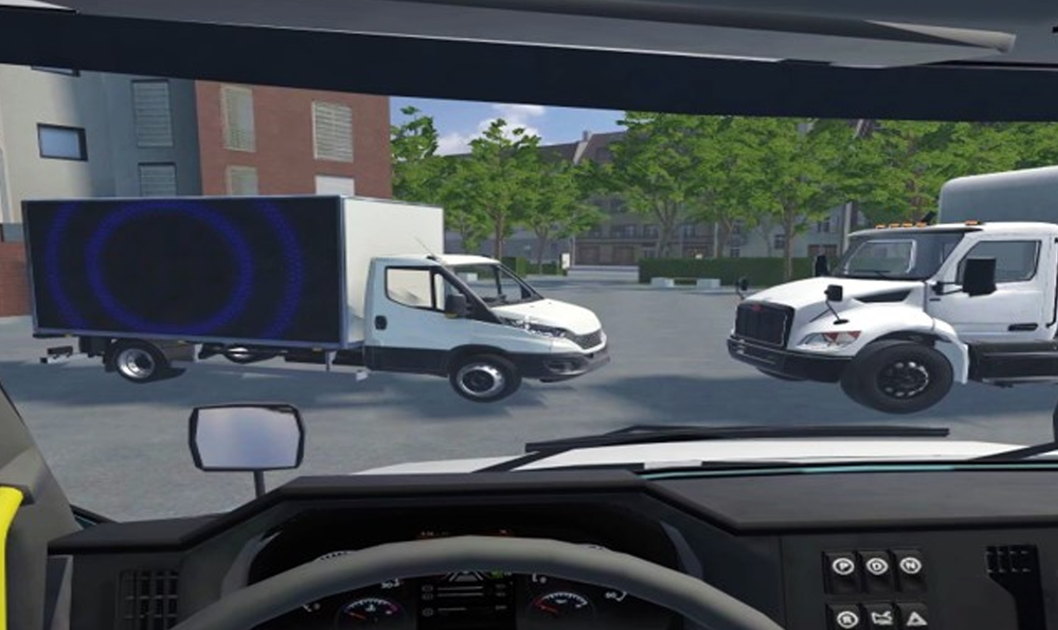
Example 1: Simulated Safety Training
A leading global FMCG organization with an extensive logistics and distribution network wanted to strengthen road safety for its truck drivers. With employee and community safety as a top priority, the company sought an engaging learning solution to build hazard awareness and reduce on-road accidents.
We developed an immersive Virtual Reality (VR) simulation centered on Driving Tip #6 – S.I.P. (Scan, Identify, Predict). The experience enabled drivers to practice hazard recognition in realistic driving scenarios, enhancing their ability to anticipate and respond to risks in real time. Through hands-on practice, the client observed a significant decrease in accident rates following the training program.
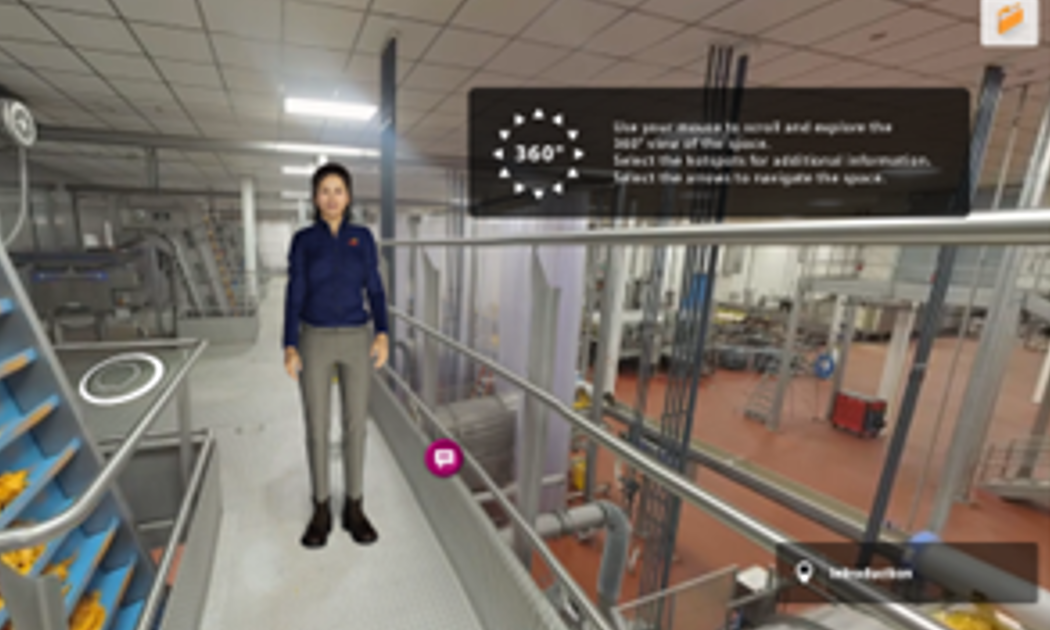
Example 2: Immersive Virtual Tours for Manufacturing Units
A consumer goods and retail conglomerate sought to enhance employee understanding of its large-scale production facilities. Traditional plant visits were resource-heavy and limited to a small group of employees at a time. The organization needed a scalable way to provide consistent exposure to complex production processes, equipment, and safety protocols without the cost and risk of arranging physical travel.
We envisioned and built a 3D virtual tour that offered team members a dynamic way to explore manufacturing units. Guided by an avatar, employees could visually navigate processes, machinery, and workflows, gaining a deeper insight into how the organization operates and how each step contributes to delivering value across the supply chain.
Final Thoughts
VR and AR revolutionize learning, but the true impact comes from virtual reality in training, especially in today’s AI era. Integrating AI with VR/AR enhances content customization and the delivery of personalized experiences. The increasing use of virtual reality in trainings, promises highly enabled workplaces, improved learning, and innovative productivity strategies. A future of enhanced employee experiences awaits.
Frequently Asked Questions (FAQs)
- Is Virtual Reality (VR) suitable for every type of training?
Not always. VR is most effective for high-risk, complex, or skill-based scenarios where experiential learning provides a clear advantage. For simpler knowledge-based topics, traditional e-learning may be more efficient. - How much does it cost to implement virtual reality in training?
The cost varies depending on hardware, software, and content development needs. While upfront costs can be significant, virtual reality in training often leads to long-term savings through reduced travel, lower facilitator costs, and faster, more effective learning outcomes. - Do employees need prior experience with VR technology?
No, most VR training programs are designed to be intuitive. However, providing short orientation sessions and user guides helps employees feel comfortable and get the most out of the training. - Can VR training be integrated with existing Learning Management Systems (LMS)?
Yes. Many VR platforms now support LMS integration, enabling organizations to track progress, measure performance, and combine VR insights with other training data. - What industries benefit most from VR training?
Industries like healthcare, aviation, manufacturing, logistics, and retail have seen strong results. However, virtual reality in training is also gaining traction for soft skills, onboarding, and leadership training across many sectors.

subscribing!
Related articles


.jpg)
.jpg)






.jpg)
